Described as a ‘nomadic Irish food experience’, The Salt Project is a food truck that traverses the country creating hyperlocal menus specific to wherever it goes.
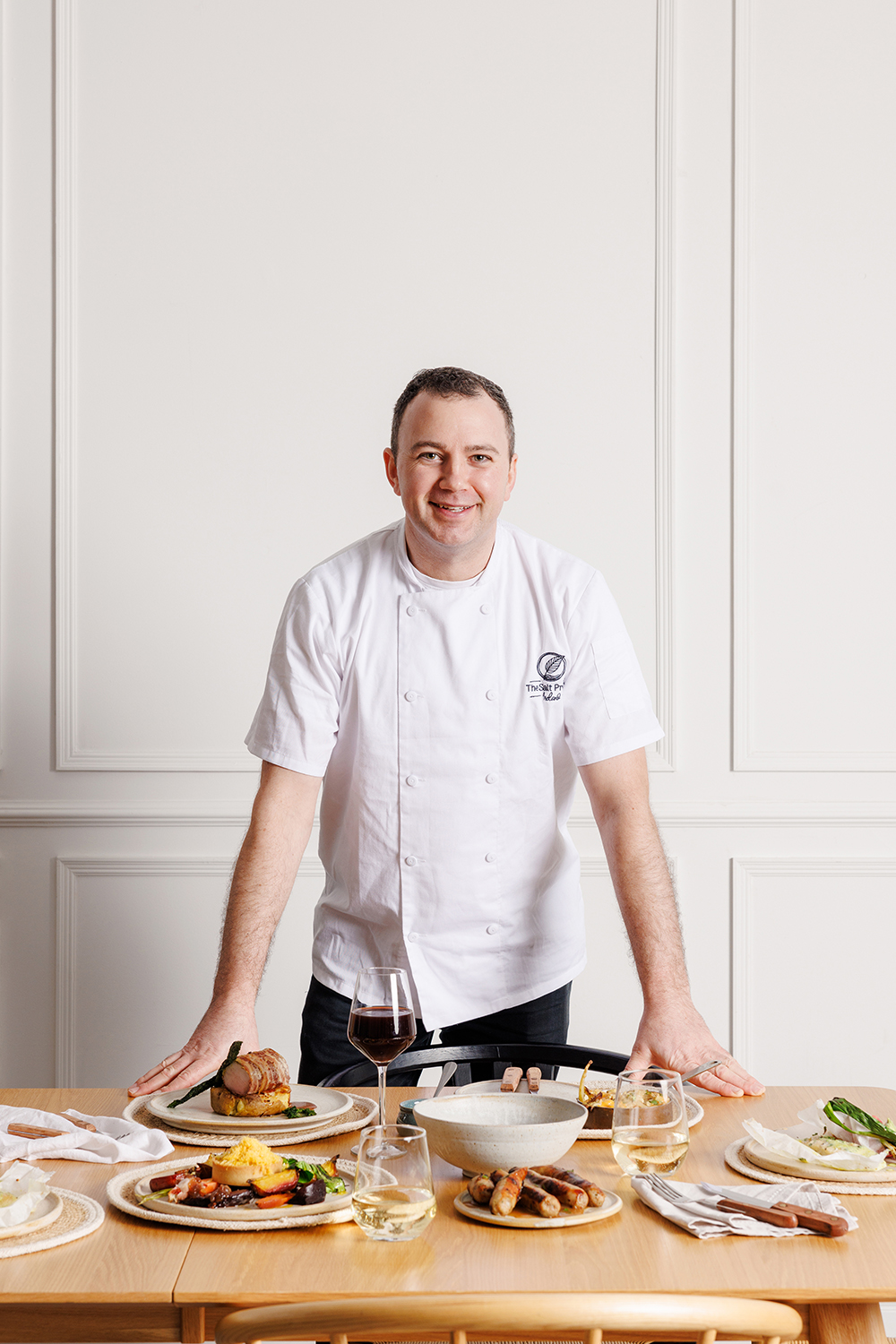
There are numerous benefits to choosing and backing locally sourced goods. You receive food that is fresher and more nutritious, you support the surrounding economy, and you reduce your transport-related emissions, among other advantages. To make the idea even more compelling, renowned Irish chef Caomhán de Brí launched The Salt Project in 2021 to celebrate Ireland’s producers, crafting menus that rely exclusively on local ingredients.
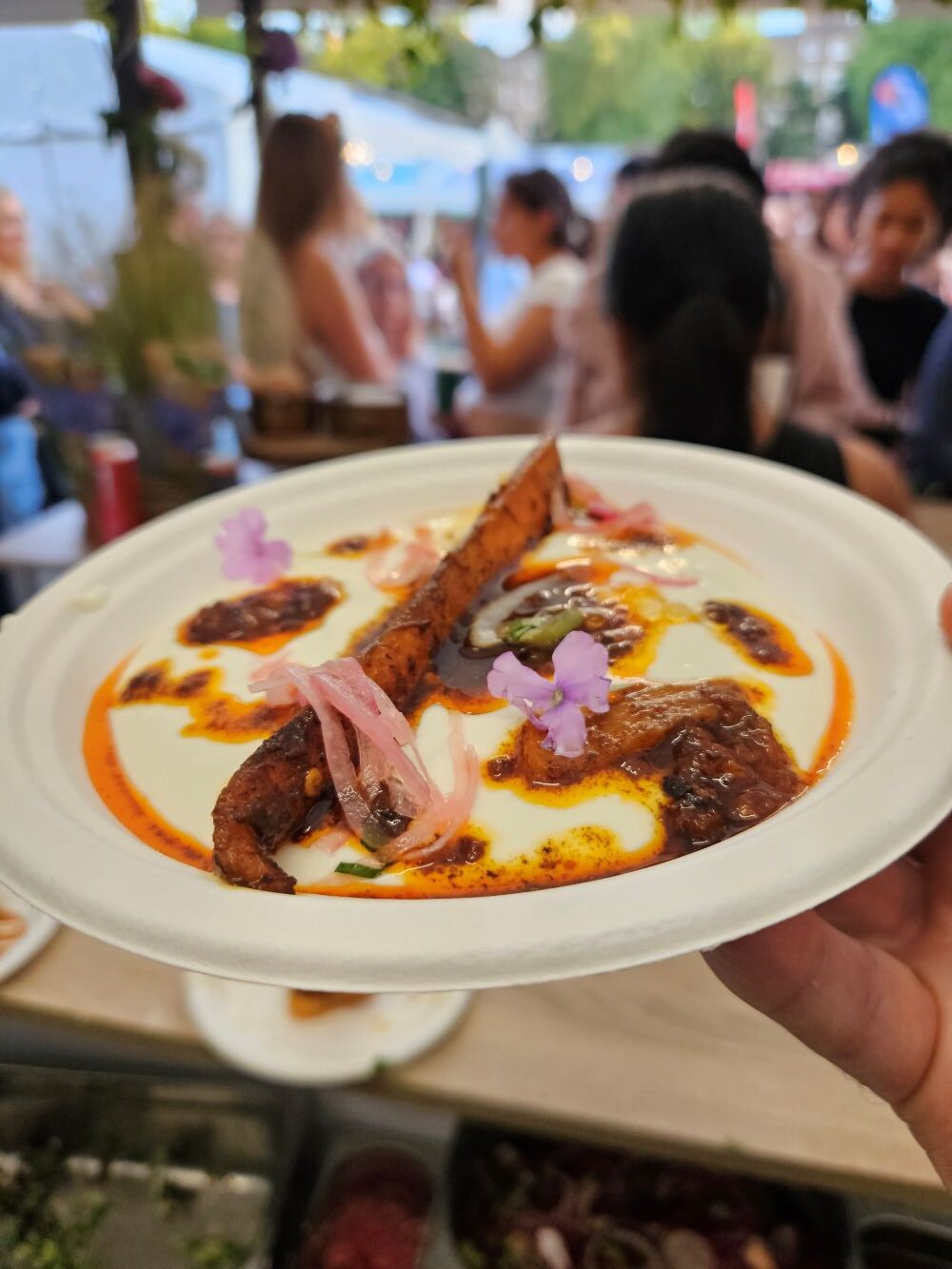
Roaming from coast to countryside, The Salt Project Trailer operates with a philosophy rooted in sustainability and a farm-to-fork ethos. The dining experience is informal and relaxed, inviting guests to savor a hyperlocal menu designed with the county’s own foods and its community of small-scale producers in mind.
The trailer is set to appear at this year’s Taste of Dublin Festival, running from June 11 to 16 – so if you’re planning a visit, you’ll have a chance to taste it there.
In the lead-up to the festival, we spoke with Caomhán to delve into his approach and the ideas behind his work.
What is the process of creating your hyper-local menus?
The Salt Project is a rolling Irish food concept that follows the cadence of the seasons and the location to compose its menu. It emphasizes more than Irish origin alone; it celebrates the terroir—the land, the landscape, and the growers who operate within it. The team designs the menu by starting from what the area can provide, rather than adhering to a fixed set of dishes. Whether the cooking takes place in Sligo, Dublin, or anywhere else, the focus remains on the local producers and their current offerings. In line with the season, we may also incorporate foraged items from the surrounding area, whether coastal sea greens or hedgerow finds. The result is a menu built from available ingredients, not from preconceived wishes.
Why is it so important for you to create a new menu specific to each place you visit?
I’m a chef by trade, and while I relish the challenge, I consider it essential. First and foremost, Ireland is home to a wealth of remarkable artisans—from cheesemakers to tiny fishing ventures and devoted farms. Our reputation for dairy and beef is strong, so I seek collaborators who offer something genuinely exceptional in those domains. In pursuing that standard, I often find that the cooking itself becomes smoother because the raw materials are outstanding to begin with.
What made you want to take on something like this, moving from place to place, creating a brand new menu as you go?
I was raised amid this world. From a very young age my parents took us driving across Europe, and food always sat at the center of our day—lunch and dinner alike. They were excellent cooks themselves. Being surrounded by it and watching what’s happened to our food systems over the past 15 years makes it clear that the trend is moving in the wrong direction. So I believe more than ever that we must focus on what we do well rather than chasing the lowest price, a direction we see reflected on supermarket shelves.
How do you think sourcing local ingredients can shape the future of Irish food?
For me, that goal sits at the top of the list, and I try to illuminate it through our work. It’s wonderful to witness the public’s deep affection for it; sometimes visitors mistake us for another coffee trailer at first glance, but once they read the menu, they’re drawn in. They learn about the people, the stories, and the farmers—their connection is tangible, even if they don’t always realise it. That bond matters deeply to us.
I’ve also developed a digital app as part of my work. Over the past several years I’ve been building a portfolio that spans from large to small producers, county by county. It’s a practical tool that we use ourselves and that others can also use. There are roughly four to five hundred producers listed, with a search option by locality. It offers a fresh perspective on stocking and rekindling that essential connection. People look to the long tradition of places like Ballymaloe, which have done this for ages, and I believe we should pursue the same path. We’re all busy and pressed by everyday demands, but stepping back to appreciate the benefits of buying local—along with the nutritional advantages—remains crucial.
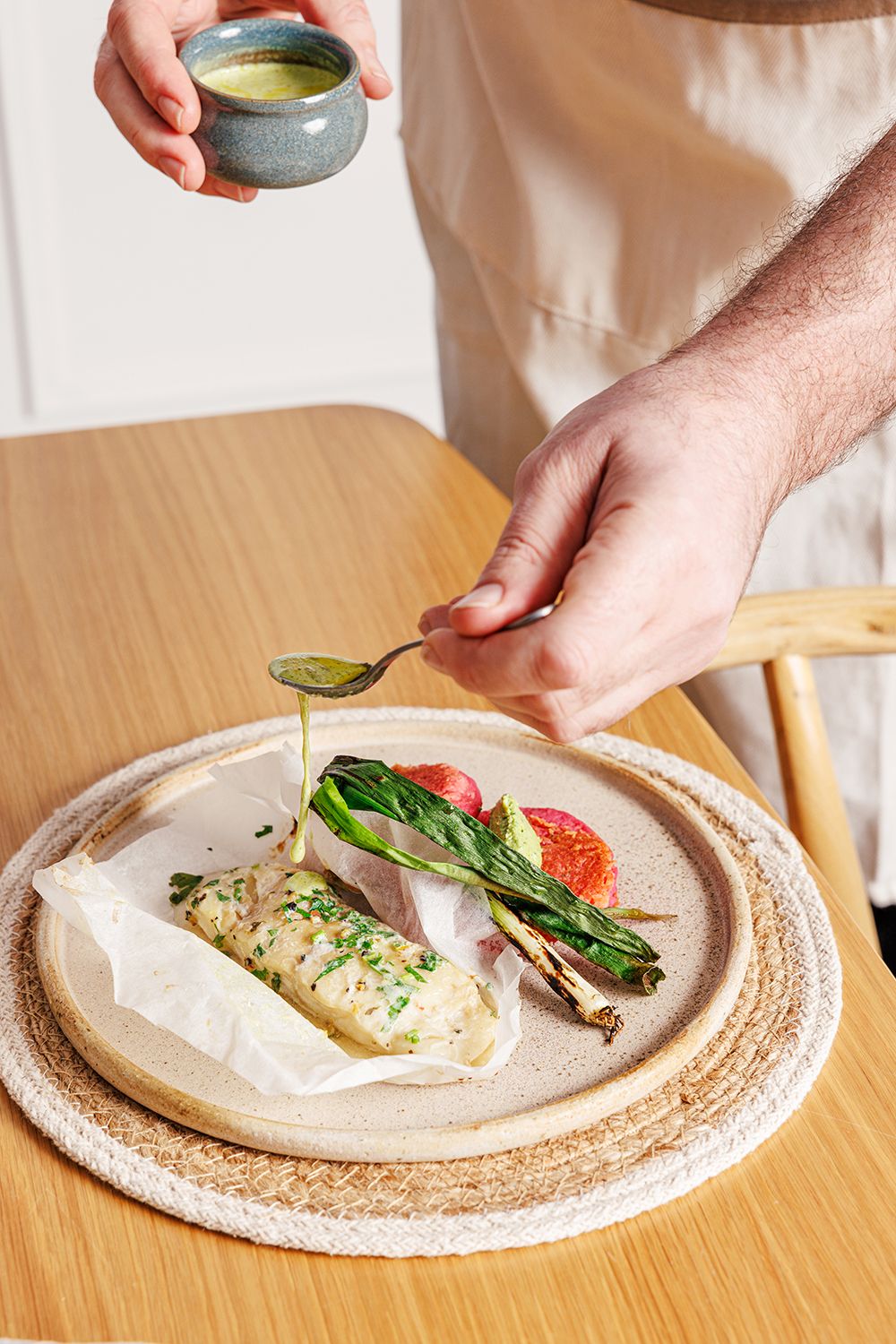
How does sourcing ingredients from smaller Irish producers affect quality and flavour?
The difference is incomparable. I’ve known since childhood that you could be standing in a sunlit field, pull a carrot from the soil, give it a quick rinse, and eat it raw—there’s just no substitute for that freshness. That is the standard I want to bring into people’s lives. Michelin-starred kitchens have long operated this way, and I’d like more people to have that same experience because it simply isn’t available in a supermarket.
How can we incorporate more local produce into our own routines?
Time is a major constraint for many of us in today’s world, making it one of the biggest hurdles to eating more locally. If people can find the time to pause and explore their neighbourhood a bit more, the benefits quickly become clear. That’s why the app we launched is designed to help people do exactly that. I keep discovering new places on my doorstep—free-range eggs nearby, and an organic site just up the road that’s been there for ages but I only found out about last year.