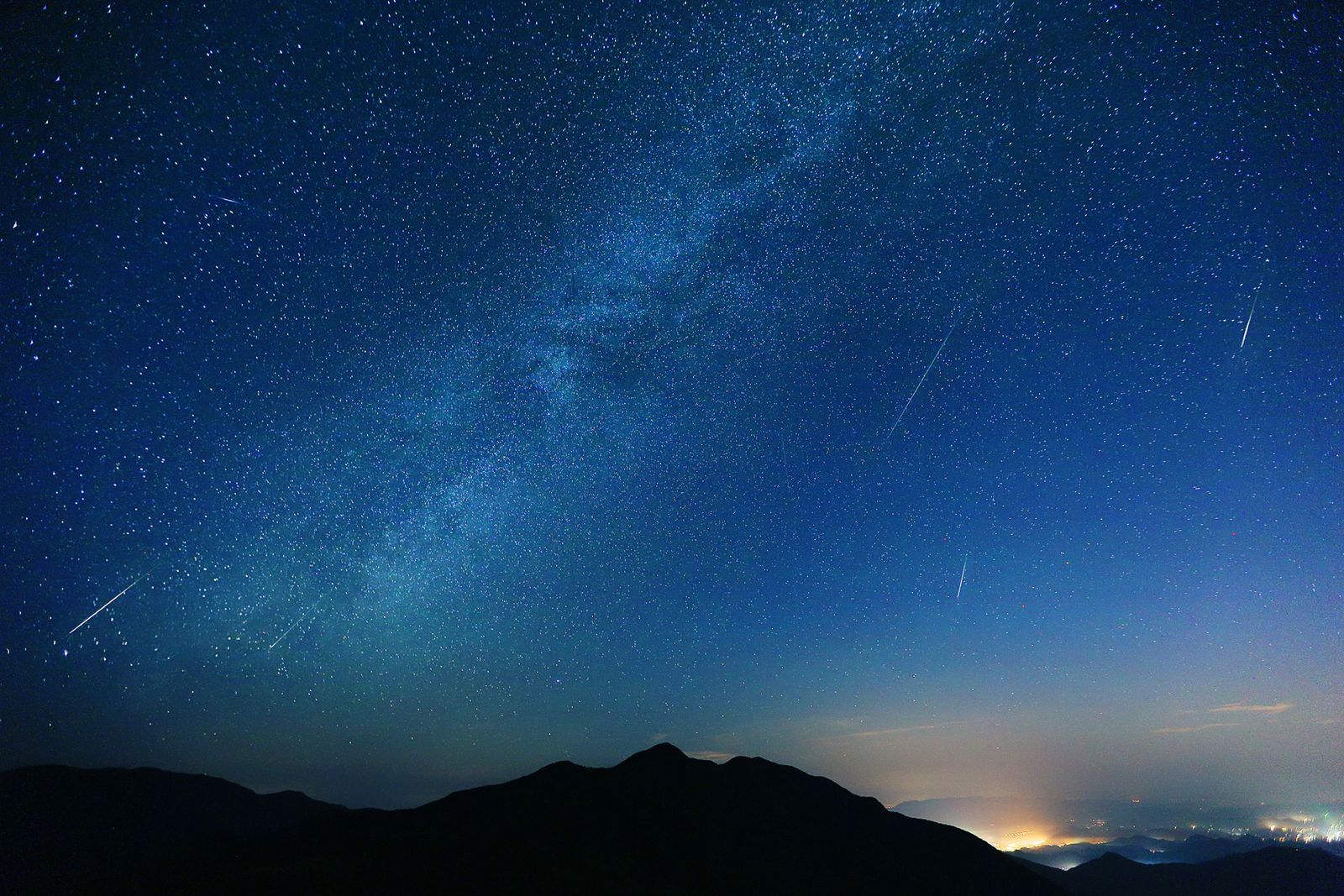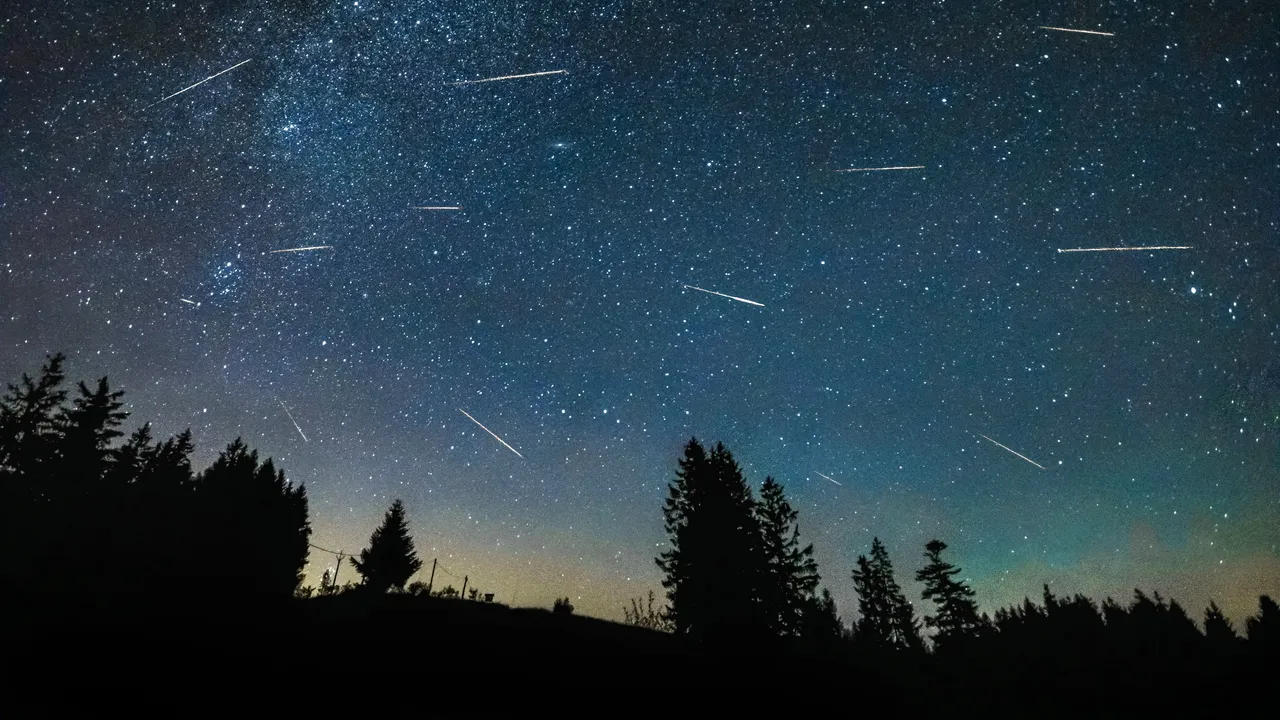
The wait is over: the Perseids 2026 are here. Known as the Tears of Saint Lawrence, the summer’s most anticipated meteor shower returns this year with particularly favorable conditions for viewing.
According to the National Geographic Institute (IGN), this year the Perseids can be observed from July 17 to August 24. Their moment of maximum activity will arrive during the night of August 12 to 13, between 4:00 and 6:00 a.m. —Peninsula Time—, although the activity could be intense from 11:00 p.m. on the 12th until 11:00 a.m. on the 13th.
The new moon will occur on the afternoon of August 12, so the sky will remain especially dark during the night of the maximum and will favor observing a higher number of meteors. And that’s not all: on that same day, before sunset, there will be the first total solar eclipse visible from the Iberian Peninsula in more than a century. The path of totality will cross Spain from west to east, from A Coruña to Palma, although in parts of the country the phenomenon will be observed only as a partial eclipse. Yet another reason to look up at the sky that day.
In a location with dark skies and the bright radiant rising above the horizon, the number of observable meteors can exceed a hundred per hour. The activity rate of the Perseids can reach 200 meteors per hour under optimal conditions, although the amount visible will also depend on the state of the atmosphere and the observing site.
Ready to enjoy the meteor shower? Here we tell you when, how, and where to watch the Perseids 2026.