The new summer liturgy is to visit churches, convents, and cloisters that have found a second life as cultural venues. The pleasant weather invites discovering them in a different way: dining at sunset in the cloister of an ancient convent, listening to music in a desacralized church, or attending a performance within walls that have witnessed centuries of history.
Monastery of Uclés, Cuenca
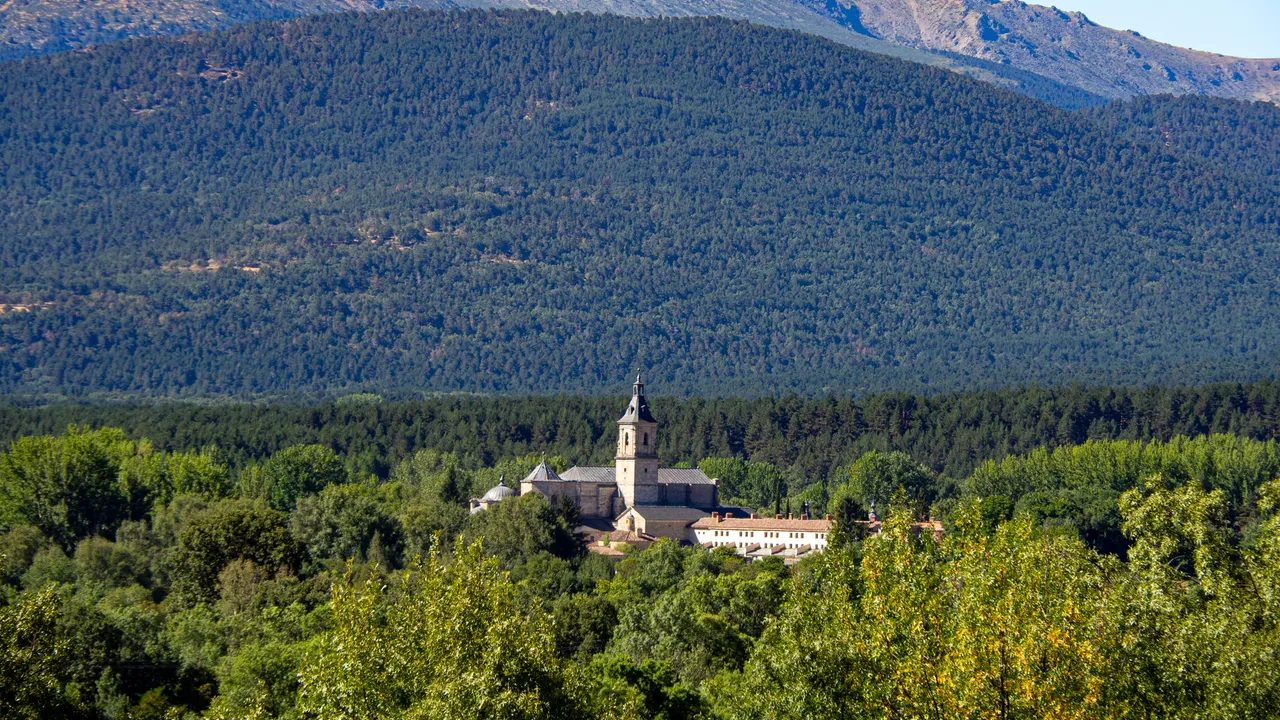
The former main residence of the Order of Santiago has found in culture a fresh way to inhabit its centuries of history. Known as the Escorial of La Mancha, the Monastery of Uclés rises on a hill and, since 2020, also serves as a cultural laboratory where heritage and contemporary creation live side by side. This summer, from August 14 to 20, its old stables host Emer_Gentes, an nocturnal experience that blends flamenco, jazz, neofolk, electronic music, world music, gastronomy, and light installations at the foot of its towers and ramparts.
The organization offers the option to purchase a full pass for all activities or to attend individually, such as Etho Spain’s show and Karmento’s Neo Folklore, Marisa Valle Rosso’s electronic folk, or Antonio Cortés’s flamenco singing.
The Cloister, Granada
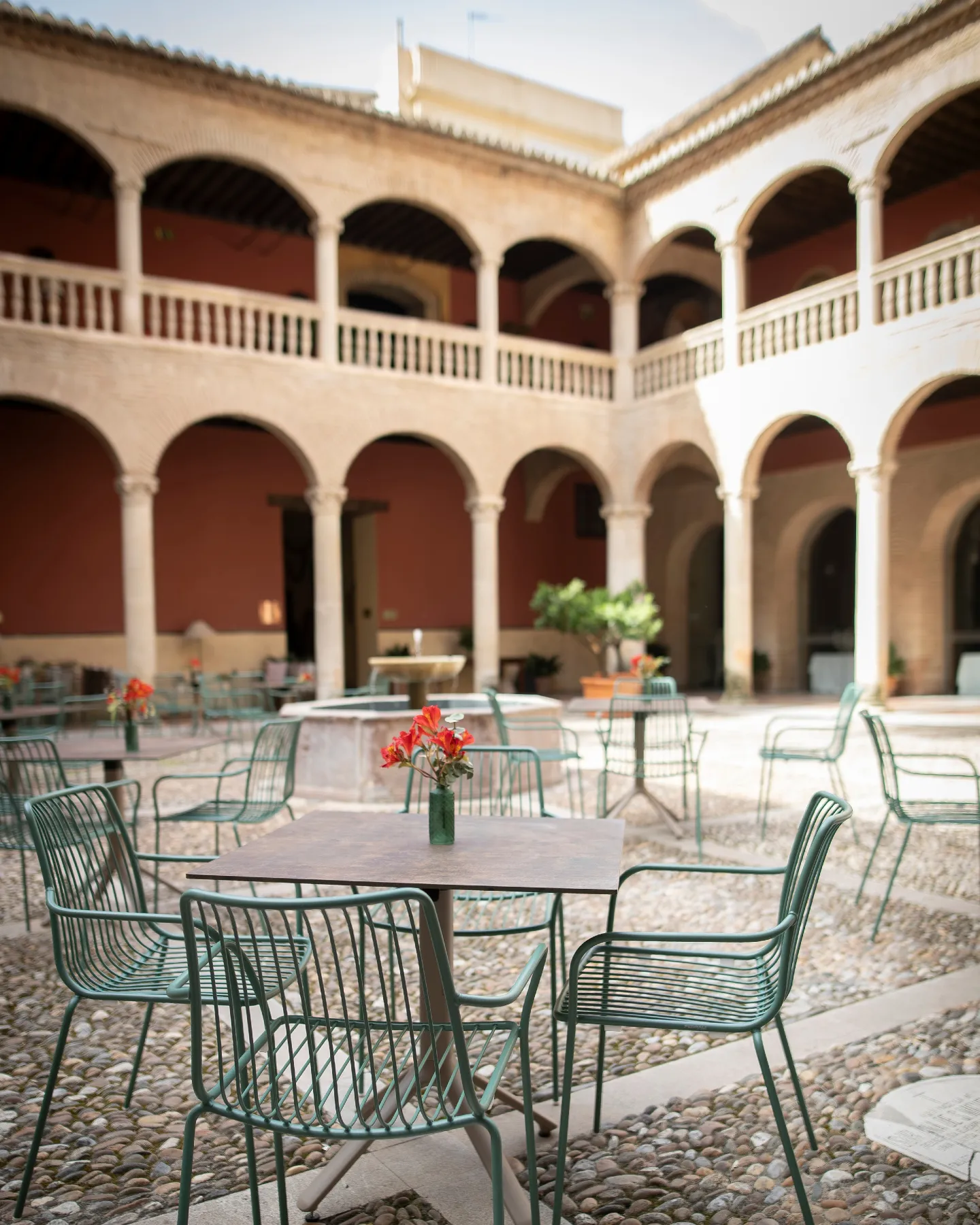
From Granada’s Gran Vía, it’s hard to imagine what lies on the other side of the façade of the Palace of Santa Paula hotel. The complex, declared a historical-artistic monument, brings together a 14th-century Moorish house and the old Santa Paula convent, founded in the 16th century. Inside, the building’s various stages remain visible in the wooden ceilings, the Nasrid columns, and the Renaissance cloister, which is arranged around a courtyard with a central fountain and open galleries. During the warm months, tables fill this nearly 500-square-meter space.
The restaurant also sprawls into the old refectory and is led by Luismi Luque. Its summer menu allows a journey through Granada’s geography via its produce: the almond and scallion cold soup from the Vega includes Motril shrimp, while river trout marinated is served with a sauce made from valley oranges. Among the desserts are nods to the place’s history, such as convent custard with a spiced Andalusian biscuit.