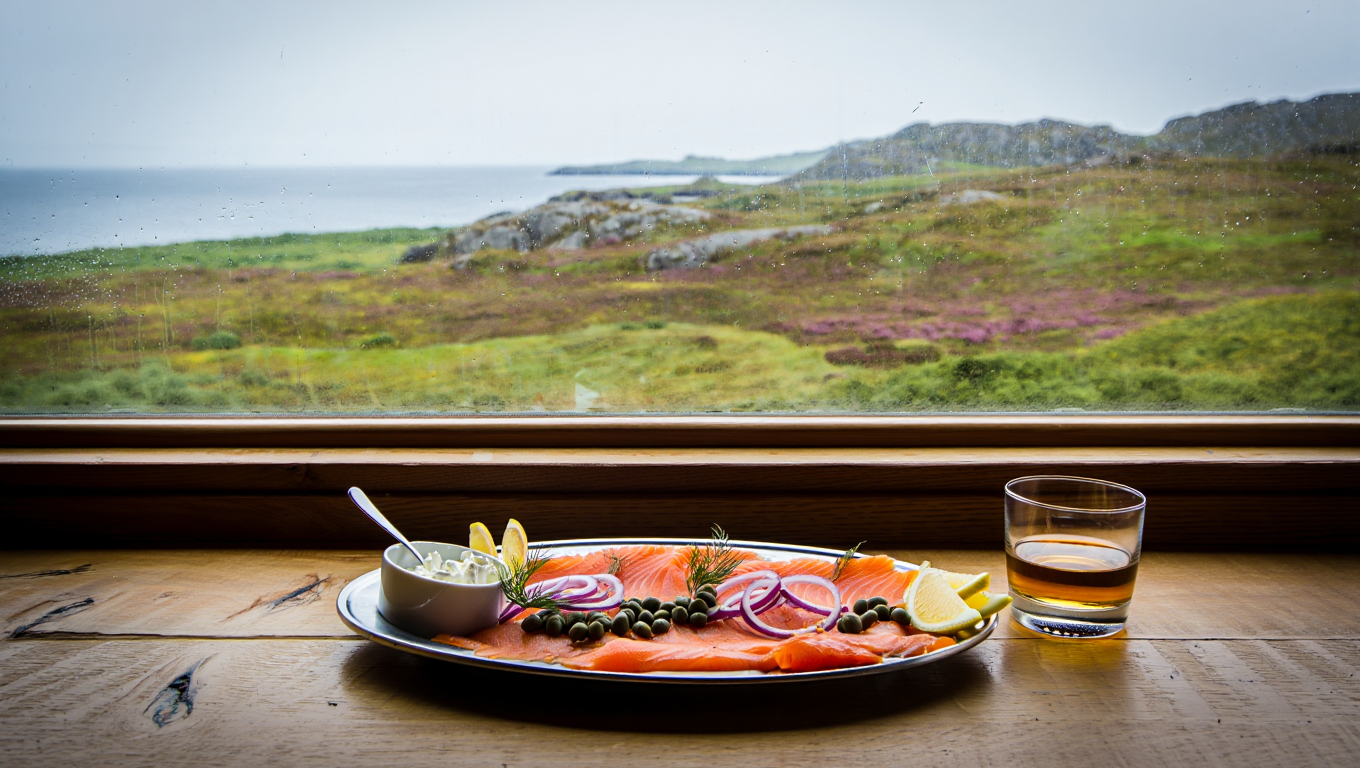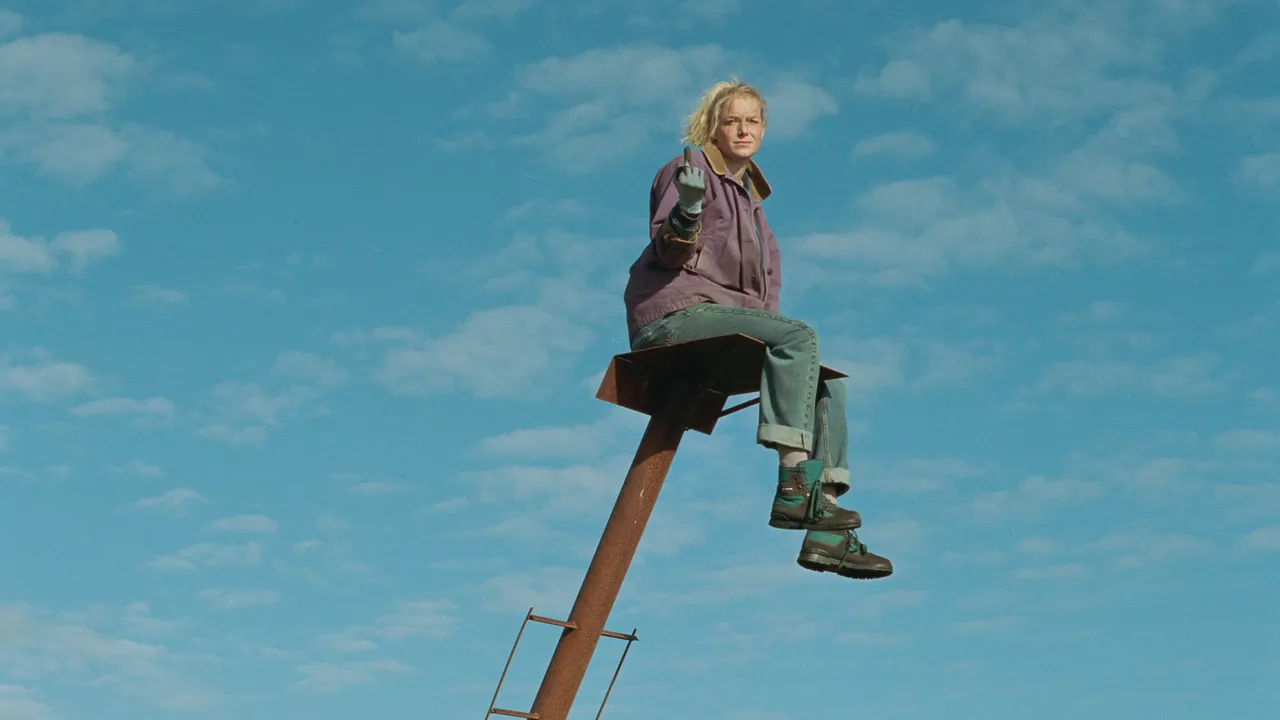
After the magnificent and historic Godland (2022), Hlynur Pálmason wanted to move toward a more intimate, more personal cinema. From there emerges The Love That Remains (premiere in theaters on August 7), a film shot near his home, with his children as protagonists and mixing nature scenes that he had been filming spontaneously for years. “The opening images are from 2017,” he said last year at the world premiere of the film at the Cannes Film Festival. “It’s not that I’ve been thinking about this film all these years, but I have been collecting images that began to connect with what I thought was the heart of the film.”
The opening is the deconstruction of a house, the lifting of a roof that serves as a metaphor to explain the heart of the story: the separation of a couple, how to rebuild life separately and how to preserve what remains of the life they created together, with three children, a home. The mother (Saga Garðarsdóttir) is an artist and also struggles to find a way to express herself again; the art she creates from impressions of nature is something that the director himself does in the Icelandic winters and autumns. The father (Sverrir Gudnason) works on a fishing boat at sea, and now lives there as well while he seeks a new life solution. The three children, meanwhile, are building their own open-air Joan of Arc-inspired work and it becomes another excuse for the director to reflect on the main theme: time, the passing of time.
“The film revolves around what we do with our time, what is important and why it matters?,” he explains in his notes. “The time spent with family, with the people we love, the memories that are created. It speaks of life, of memories and of the sense of belonging. What happens to the family when the parents separate, with all the memories and the moments they shared? What happens to the love that remains?”
The Love That Remains is, therefore, a collection of moments that seem improvised, family meals, shared work, solitary moments… Those instants that happen and we aren’t always conscious of them in order to remember them always. And for Pálmason, time has a lot to do with nature. A worldview that perhaps has to do with being Icelandic and living there.