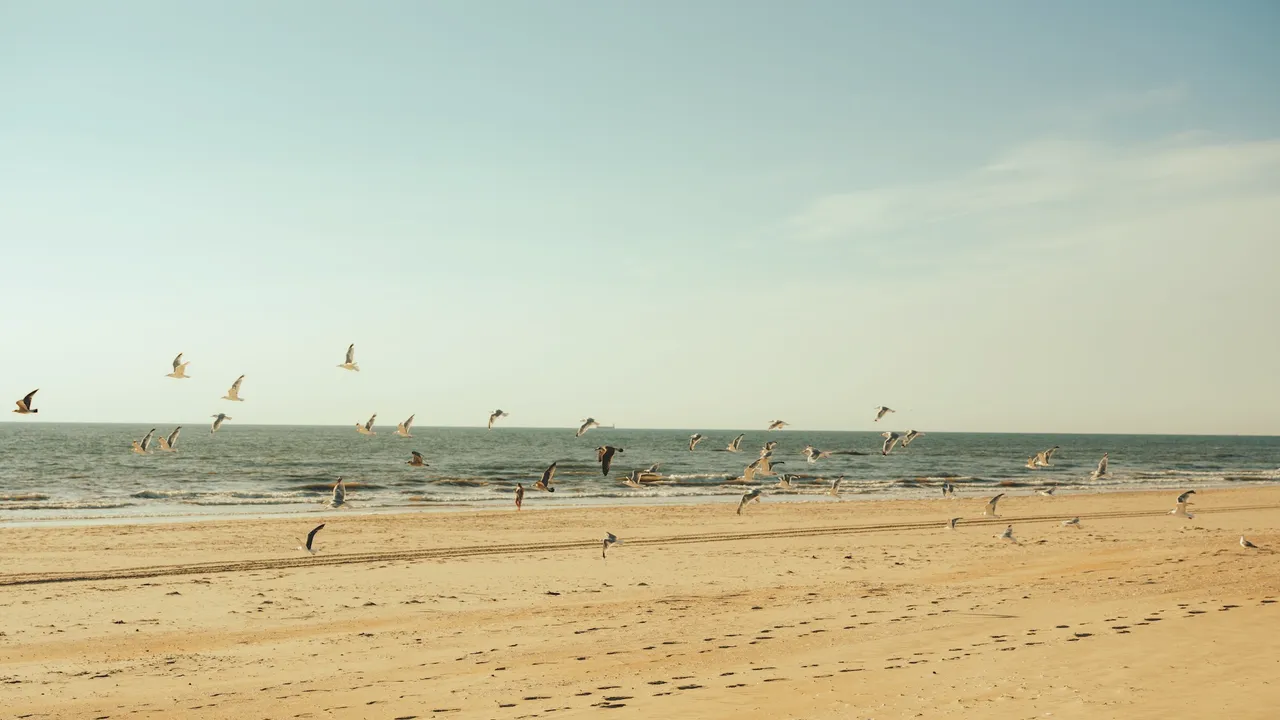
At dawn, the whisper of the breeze over the wetlands is joined by a faint burbling. With the tide out, hundreds of tiny insects and crabs bury themselves in the sand, producing a soft sound, almost white noise, that only someone who stops to listen can hear. The coast of the West Frisian Islands is washed by the North Sea on one side and by the Frisian Sea on the other. In this landscape of marshes, swamps, meadows, dunes and sands, inhabited by seals and thousands of birds and fish, there are no cities, only small communities that move to the same calm rhythm. Island life breathes with the tides, with the water, the wind and the seasons.
The five inhabited islands are Texel, Vlieland, Terschelling, Ameland and Schiermonnikoog, names that at first do not evoke the scent of summer nor the warmth of the sun on the skin. But the islands promise more blue skies than one would expect at latitudes this cold and, on sunny days, the sea reaches a nearly tropical turquoise. With milder temperatures, summer invites you to hop on a bicycle and forget about flights, fuel, and traffic. Once you leave the car behind and board the ferry, the slow charm of the Netherlands, more palpable here than anywhere else, will transport you to that dream coastal escape.
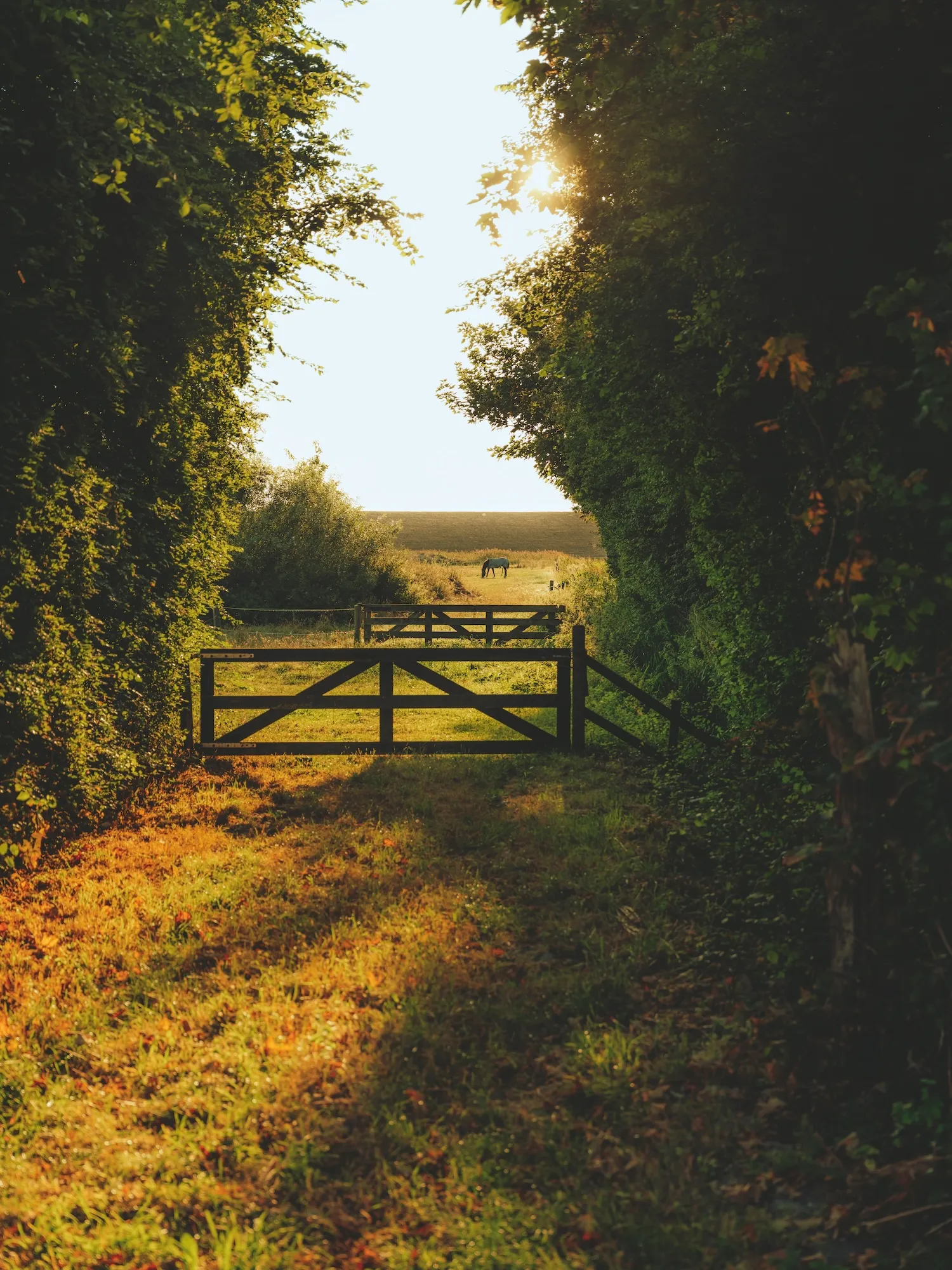
The largest—and most secluded—of the Frisian Islands is Texel, a place that requires every bit of Dutch coastal engineering to stay where it is. As if it wanted to keep sailing a little further north, the island’s northern edge quietly creeps outward each year, while the southwestern coast needs periodic sand replenishments. Where nature takes what it needs, people seek to preserve or take for themselves the things that make life more beautiful. On Texel, people live in harmony with their surroundings, although the infrastructure required to hold them in place is artificial.
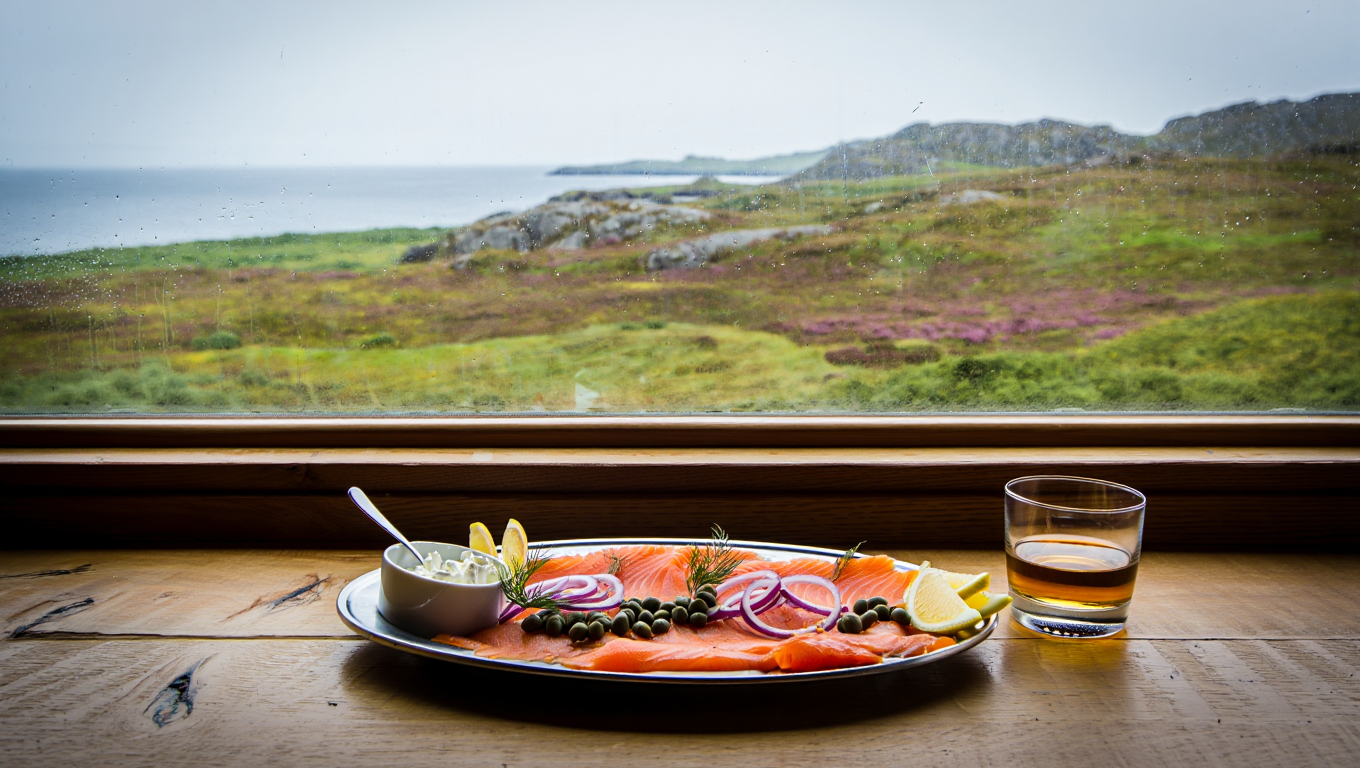
We begin the journey with a visit to Valerie Jongeneel and her husband, the chef Joram Timmerman, who manage the boutique hotel and gourmet restaurant Het Kook Atelier Op Oost. We arrive, by bicycle, of course, at the bright building surrounded by an aromatic herb garden, coastal flowers and vegetables. It lies just 150 meters from the marshes, where the couple met while collecting oysters. In their restaurant, they serve dishes that explore the island’s different ecosystems, from the diverse Frisian Sea to the land reclaimed from the North Sea, passing through forests, heaths, dunes and meadows that separate the two coasts. “They are the heart of the island,” explains Jongeneel. “The pandemic changed a lot about how people perceive nature. We couldn’t touch each other, but we could touch the plants and the sand, feel the earth and the wind.”