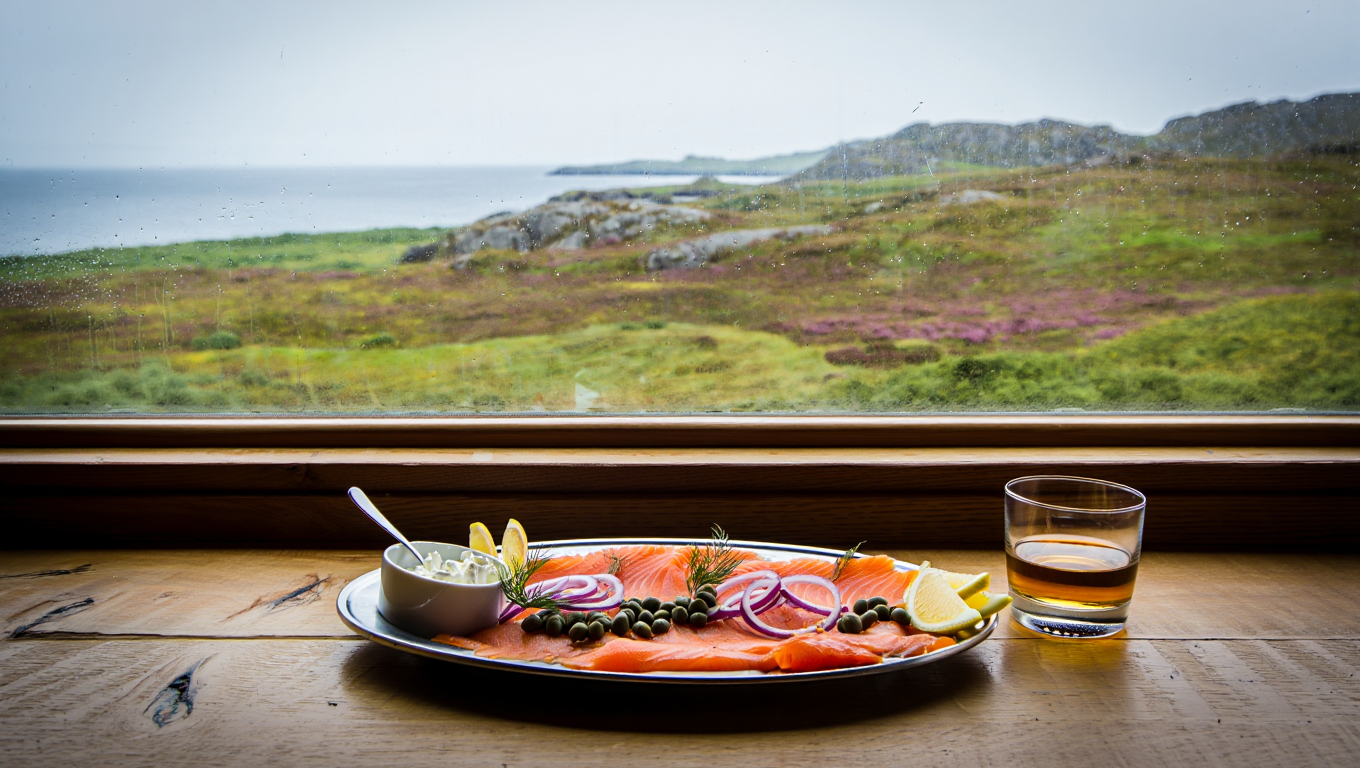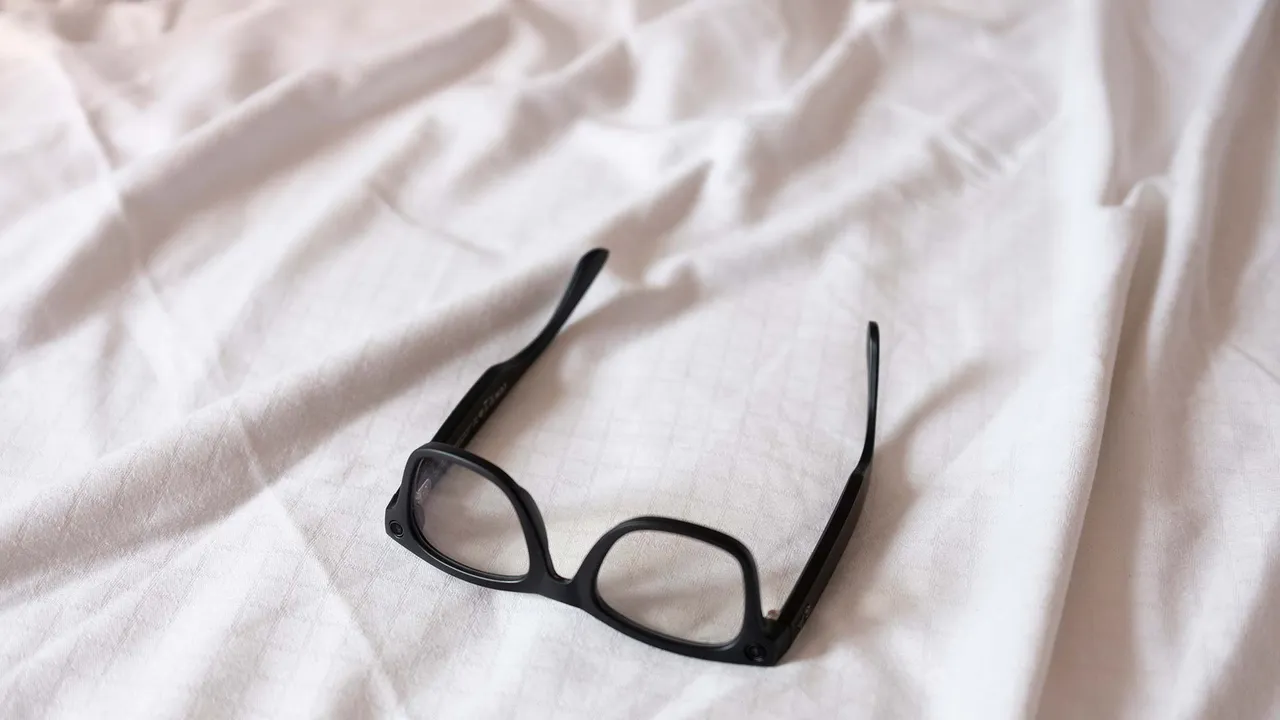
When Jerónimo Álvarez began, three decades ago, his personal project Benidorm never ends, he approached that colorful, kitschy landscape with an analog Leica camera. He then switched to medium-format film, experimented with digital cameras, and, during the last year, has studied the possibilities of Ray-Ban Meta AI glasses.
This tool – next-generation glasses that blend classic styles (such as the iconic Wayfarer) with integrated technology to capture photos and videos, listen to music, make calls and use voice AI, all hands-free – has represented for this renowned portrait photographer, also author of album covers and music videos, an option that he defines as… playful.
“I’m used to much more complex cameras, to larger infrastructures and, in a sense, to total control. The limitation of this medium is, paradoxically, what makes it fascinating from the author’s point of view, as it once was with the Polaroid,” Álvarez explains regarding the uncertainty that comes with not seeing the image with the immediacy to which digital photography has accustomed us.
“We created this hands-free product to help people stay present in the moment,” a company spokesperson tells Condé Nast Traveler. “Ray-Ban Meta can be as useful for a travel influencer who creates content on the go as for a CEO who needs to take a call while moving between meetings.” Jerónimo, like most professionals, has developed his eye with traditional photographic cameras to later experience the smartphone revolution, which allowed taking images with lower native quality, but with greater discre tion, on the one hand, and the option to choose different angles.
Approaching this novelty has been “a bit of a shot-from-the-hip thing,” he explains. “Photographers are used to drawing from references, to seeing master predecessors, but in this case I have faced this photographic device somewhat blind.”
“Although the glasses do not yet offer a native image with high resolution or high quality, they do provide a viewpoint much closer to the human eye.”
“In that sense, it is really a dream come true. All photographers have dreamed of the possibility of directly photographing what our eye sees.” A portion of control is lost, that’s for sure. “You have to shake off the feeling that you’re not doing exactly what you want. Regarding quality, we are now accustomed to high standards and to having RAW files that can be edited and transformed.”