There is a scene in the film Cinema Paradiso where the protagonist returns to his hometown after almost thirty years. The cinema where he spent much of his childhood is about to be demolished, and all the neighbours, ghosts from the past, gather in the square to bid him farewell. The camera focuses on each face, faces that witnessed his childhood. All of them bear the passage of time tattooed on their foreheads. The vastness of the cosmos is reduced to that square, to that cinema, and to those people. When, after a few minutes, the walls become rubble, the teenagers, oblivious to what happened there, play among the ruins, riding on their motorbikes.
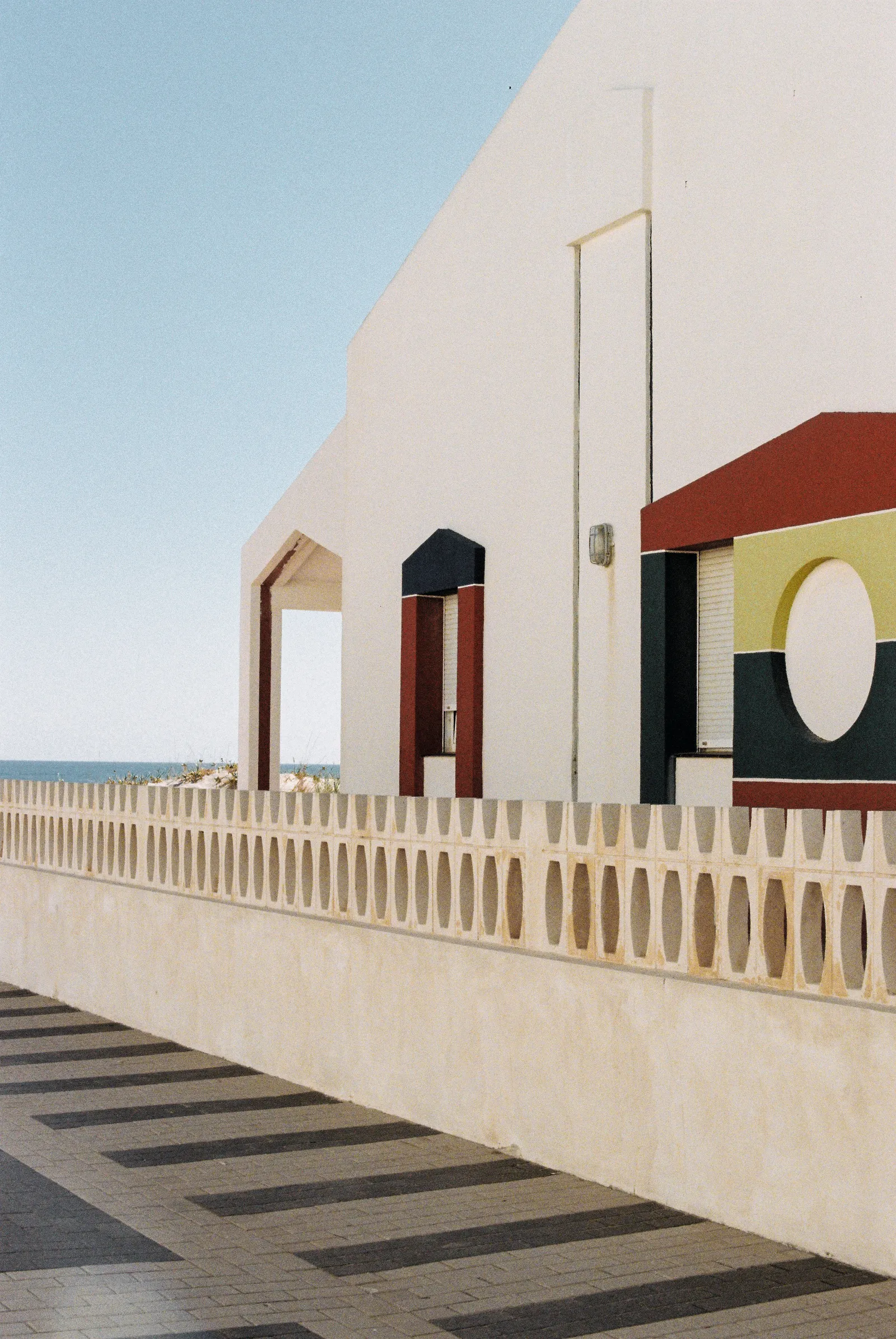
Whenever I return to Oliva, I think of that scene. On its mile-long beach lives my grandmother, and she guards the freest moments of my childhood. In one of those low, sea-front houses, beside a square we called “La Placeta.” That place was paradise. There we played hide-and-seek all around the block while my grandmother played Panguingui with her friends. We had dinner in the street, we never wore shoes. We watched the teenage girls paint their lips with gloss and kiss boys. The noise of motorcycles, ridden by people without helmets, accelerated our desire to grow up. We sold bracelets and shells in the afternoons, and I would write in my diary about how much I longed to give myself my first kiss. During the adults’ siestas, we would go to Betina’s ceramics studio to paint on clay bricks, which she would then bake. We had candy and chocolate-filled pastries for a snack at Teresita’s shop. I imitated Chenoa, and in Mil cosas Bravo and Loka magazines were sold, magazines we read in secret. The girls paid attention to me because I was the oldest and looked like a leader, even though at the time I didn’t even know how to govern myself. In my grandmother’s courtyard, while she slept, I secretly burned my hair with hydrogen peroxide. I would lie in the sun, with a secret pact to appear more beautiful and to welcome adolescence.