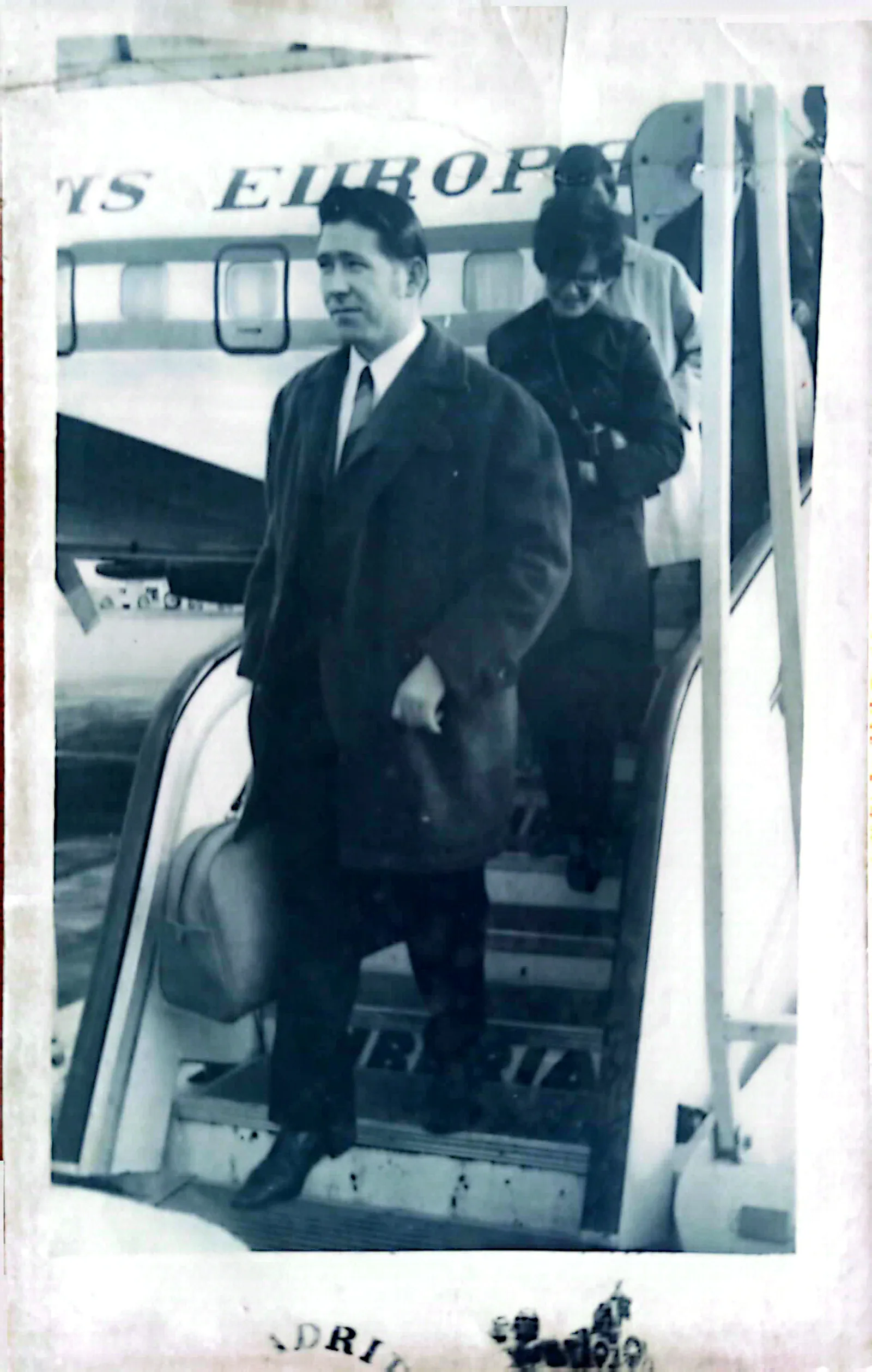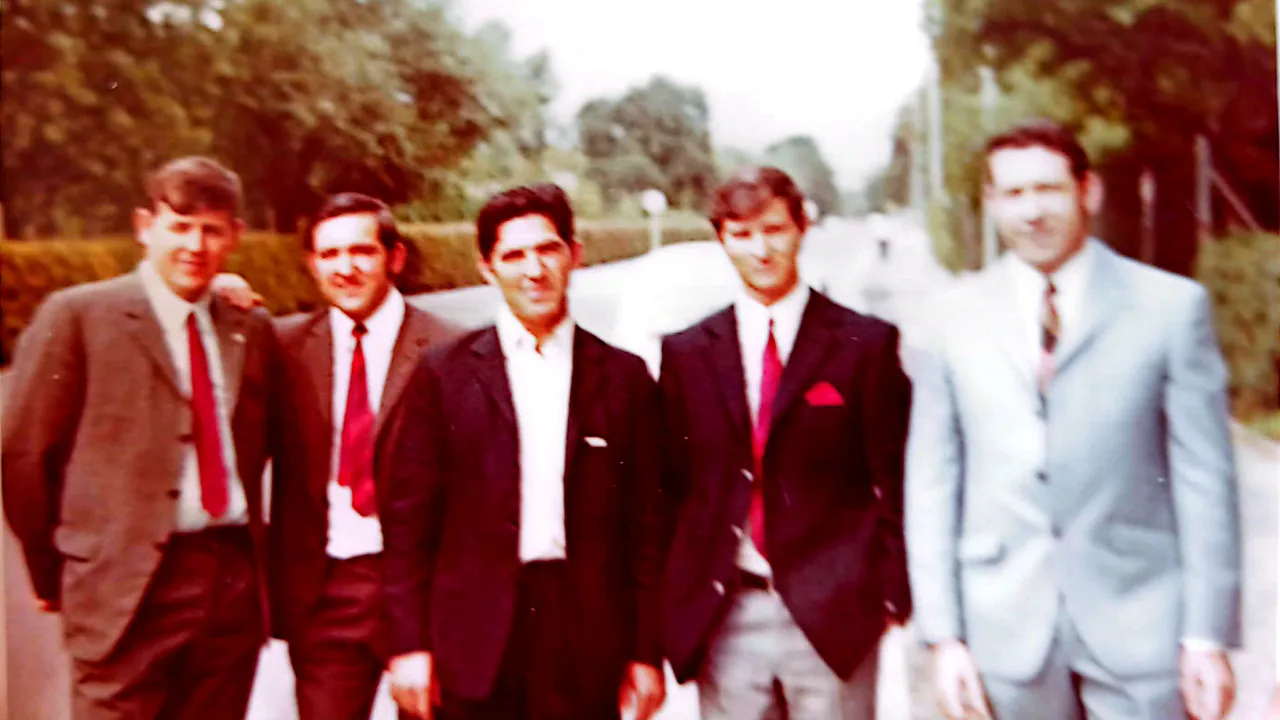
Not long ago, we were the immigrants. After the 1960 agreement on worker recruitment between Spain and the Federal Republic of Germany, the so-called gastarbeiters (guest workers) began to arrive in the German country. One of the main centers of Spanish emigration was the state of Hesse, where, according to the sources consulted, there were 22,000 Spaniards in 1963. It was the principal group of foreigners alongside Italians, Greeks, and Turks. Many would go to Frankfurt, the most popular and populated city in the area. But many others would end up in Wiesbaden, the capital. According to the city council, in 1965 there were 7,342 foreign workers; by 1973 they were already 15,229. By the mid-sixties there were probably around 1,300-1,400 Spaniards living in the city, who were employed mainly in industry and the trades, in companies such as Kalle-Albert, Rheinhütte and Dyckerhoff, but also in construction, automotive, health care, and municipal services.
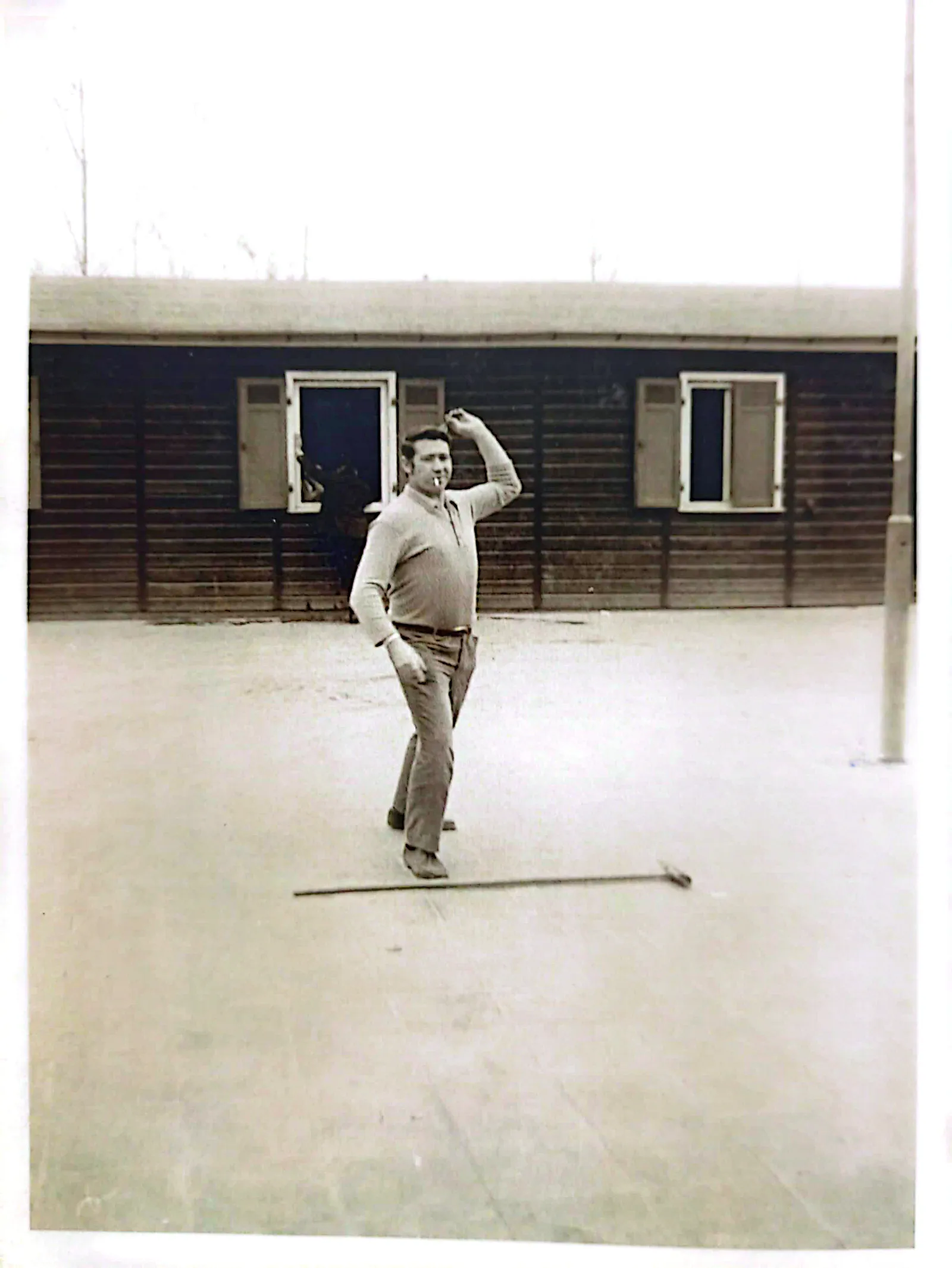
It was undoubtedly one of the centers of Spanish labor emigration in the Rhine-Main area. In the neighborhoods, ghettos would soon form, as the city council itself admits: “Coexistence with the Germans in the early days of emigration was not always easy. Besides the restrictive residency rules, there were also problems of sociocultural integration. Almost all the labor emigrants had come alone. It was not uncommon for four foreigners to live in a room with two bunk beds, a table and four chairs in the company housing, similar to a barracks. Because living conditions were sometimes inhumane, protests were not uncommon.”