A recent study by the British publishing house Aura Print identifies London as the European city that has been written about the most; the study, which analyzed mentions of the 30 largest European cities in more than 25 million books published between 1920 and 2019, indicated that London was mentioned more than 286 million times, a figure that hardly surprises in a city that has inspired countless generations of authors. From the fog that cloaked Dickens’s alleys and Arthur Conan Doyle’s Baker Street to the south London suburbs and the ever-changing East End, writers have long used this city to tell stories about immigration, class, ambition, loneliness, rebirth, and survival.
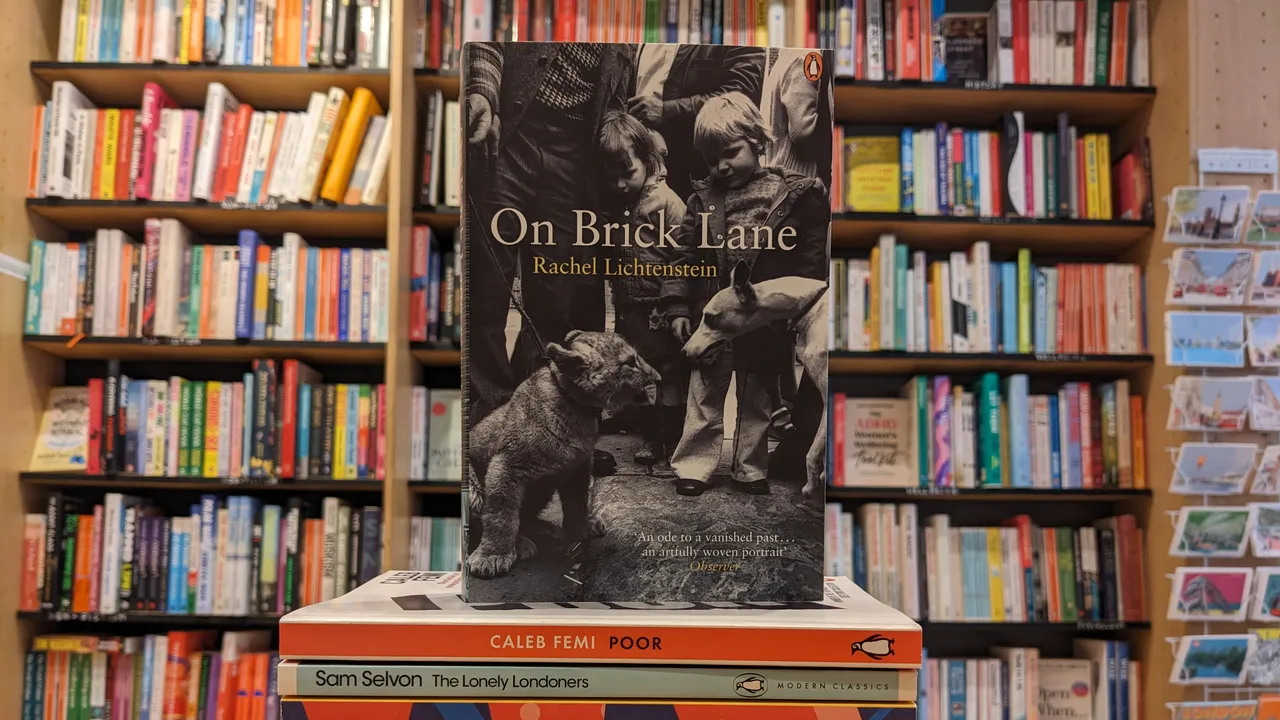
With so many thousands of books about London attempting to capture its many facets, who better to point us toward the most recommended reads than those who know them best? Bret Johnson, owner of the London-based independent bookstore Brick Lane Bookshop, shares with us five London books he would recommend to anyone seeking to understand the city more deeply: a selection that spans postwar immigrant communities, the south London public housing estates, Britain’s most multicultural landscape, the eerie Thames environs, and the history of Brick Lane itself, which pays homage to the bookstore.
Alone in London, Sam Selvon
Bret Johnson’s view: Sam Selvon was a Trinidadian author of the ‘Windrush generation,’ the name given to that wave of Caribbean people who arrived in the United Kingdom after World War II to help rebuild it following the devastation of the conflict. His novel Alone in London captures the tragicomic experiences of those who crossed the Atlantic only to confront the iconoclastic revelation that the revered imperial capital, that legendary city of wealth and opportunity, is nothing more than a ruinous and decadent myth. Through the characters and their varied experiences of London we see how that hopeful, optimistic mood transforms into disappointment, as well as their struggle and determination not to lose hope.
This sense of a hopeful arrival clashing with the hard realities of life is a common trope in London literature that traces back to the story of Dick Whittington and his cat and to the myth that its streets are paved with gold. It also captures Britain’s turning point and modern London: a postimperial, multicultural nation that struggles to accept its new place in the world and a shift in domestic demographics that leads to tensions and racial hatred. It is a story told with humor and remorse that shows community and isolation, energy and inertia, optimism and pessimism.