The first time we spoke with Alejandra Glez, in 2021, she was 24 years old. The Cuban artist stood out at PhotoEspaña with a series of photographs that tackled topics such as domestic violence, migrations, and, more broadly, the situation of women in different parts of the world. A few days ago, the multifaceted creator was awarded at ENEAS 2026, Madrid’s most singular ephemeral gathering of contemporary art, which took place last Friday, November 13, in a monumental brutalist building of about 37,000 m² in Torrejón de la Calzada. “It’s always exciting when my work is recognized and, especially, when a piece becomes part of a collection. I feel it as another grain of sand in the construction of the artistic career I have been developing for years.”
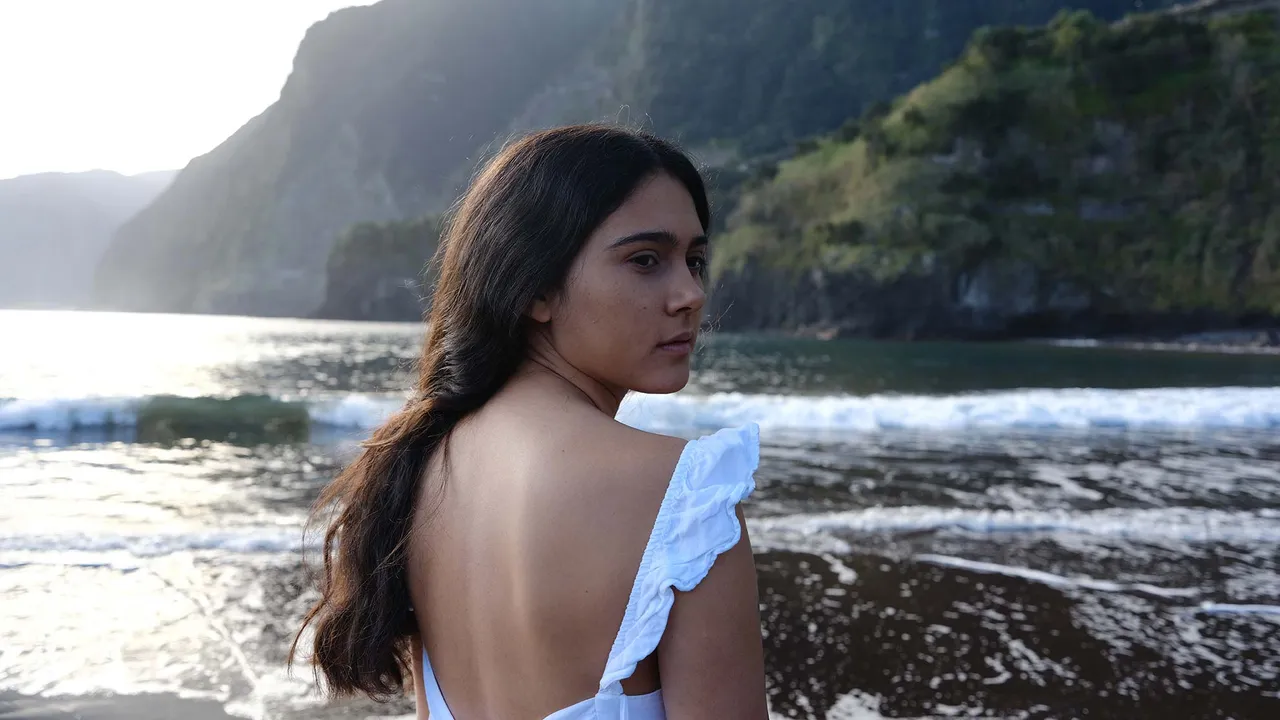
“I feel that in recent years I have achieved incalculable personal growth. I have made decisions that have helped me grow as an artist, but above all as a person,” Glez explains to Condé Nast Traveler. If her current life moment were a landscape, it would be exactly the landscape on which she is now building a project: “A very large mountain facing a beautiful sea, in complete peace and tranquility. And I would be at the top of that mountain, sleeping alone, looking out to the sea.”
It is a fairly ambitious, large-format project that merges photography, installation, and performance. In it, Alejandra Glez is exploring a new color palette within her work, white, also inspired by Yoruba spirituality and, especially, by Obatalá. “I hold it very dear because it is a project that was born this year, which has been a quite challenging year for me. And I hope that, once I begin sharing sketches and talking more about it, I can find the help and support needed to bring it to fruition in 2027.”