In the first season of Celeste, Sara Santano was a dull, grey woman, clearly carrying many ghosts from the past, but energized by her own professional duty, her loyalty to the tax authorities, she undertook a journey of light across six episodes that completely won us over with her character.
Created by Diego San José, directed by Elena Trapé and starring Carmen Machi, Celeste triumphed. In awards, reviews, audiences. And it ended in a happy place, Sara’s happy place. How to move forward from there? “Diego always said that really the character that mattered most to him wasn’t Sara Santano at the end of the first season, which is a person in a luminous place,” Trapé notes. “The characters who are interesting are those who haven’t resolved things yet, who are still in conflict, and since that was the Sara he was interested in, his idea was to go back in time.”
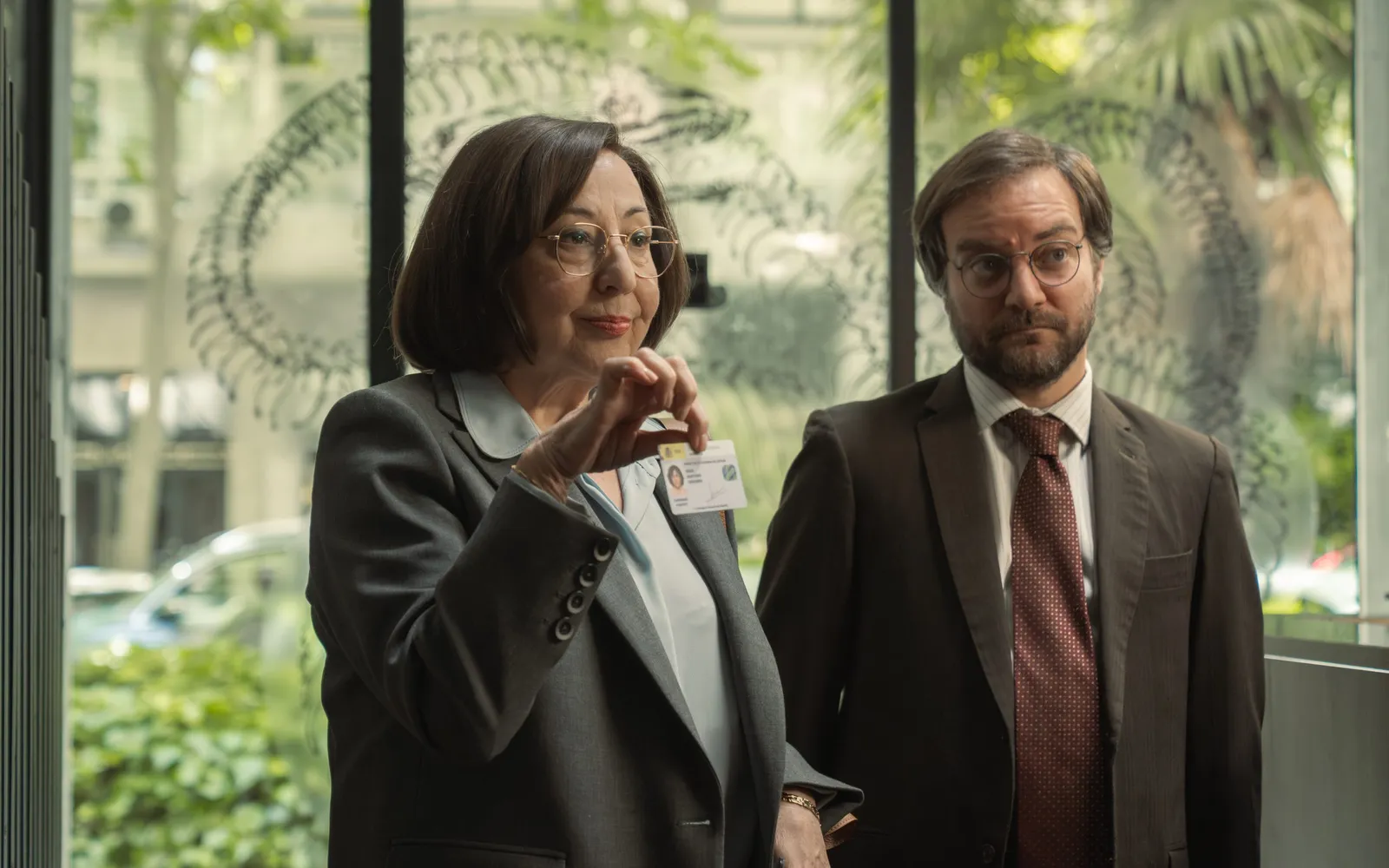
The second season of Celeste (on Movistar Plus+) is, therefore, a prequel. A story that gathers details dropped in the first season to explain why we find Sara in that emotional state. The Figueroa case, the one that was her great failure, is the starting point: a dodgy footballer who owes millions to the Hacienda and is protected by powerful figures. Sara’s husband tried to go after him, but he couldn’t, and after his retirement, Sara tries. And she does so accompanied by a coworker who is disenchanted and motivated in equal measure, it is Valentín (played by Pol López), while the relationship with her husband, Alberto (Carlos Blanco), continues to cool.
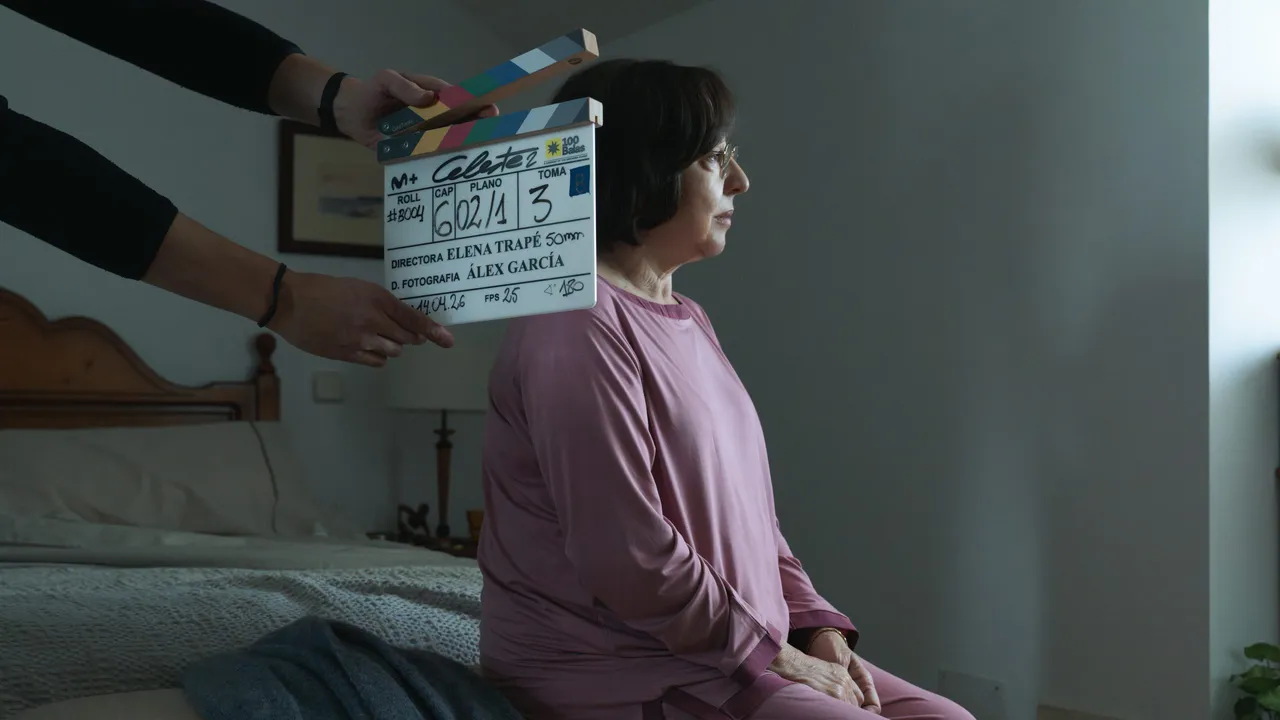
If anything Celeste did well from its very first season, it was accompanying its character through spaces that finished defining her, that completed everything that was not said because there was no need.