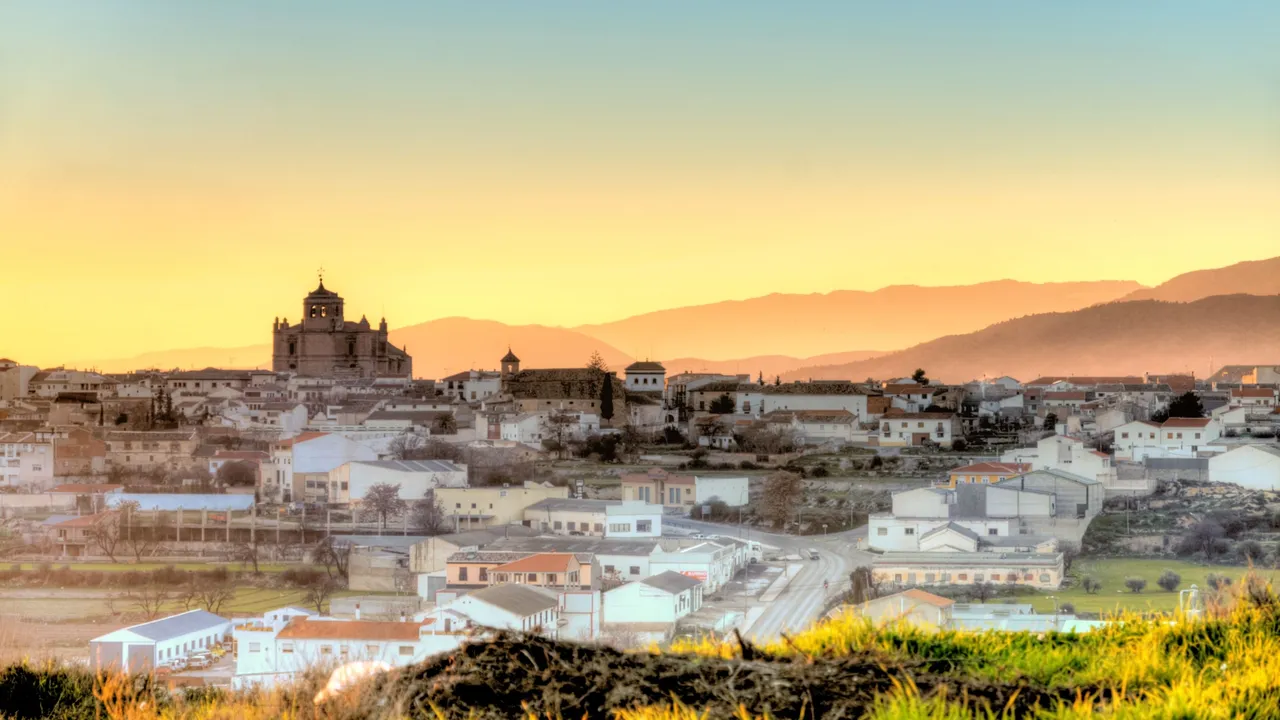
To escape to one of those lost villages in Granada, there is always time and desire. Even more so if you have to cross mountains, the La Sagra range, to reach the Huéscar region, whose eponymous capital would be hard to locate on a map.
Despite the last flurries of cold, one can still see the snow crown the mountains that surround the valley where the village hides. That same dawn blends with the rosy-white almond blossom that, these days, still fights to cross the territory from side to side. Natural border between the Kingdom of Murcia and the Nasrid Kingdom of Granada, Huéscar was a key objective for Christians and Muslims, who disputed its ownership and protection for more than two centuries. And so they fought like crazy until, in 1488, it definitively became part of the Crown of Castile.
A Convent with Two Museums
The route through Huéscar starts at the Saint Francis Convent, which belonged to the Order of the Franciscans and remained active until Mendizábal’s disentailment in the first half of the 19th century. Today it is the headquarters of several cultural spaces, in addition to serving as the tourist information point: the perfect starting point.
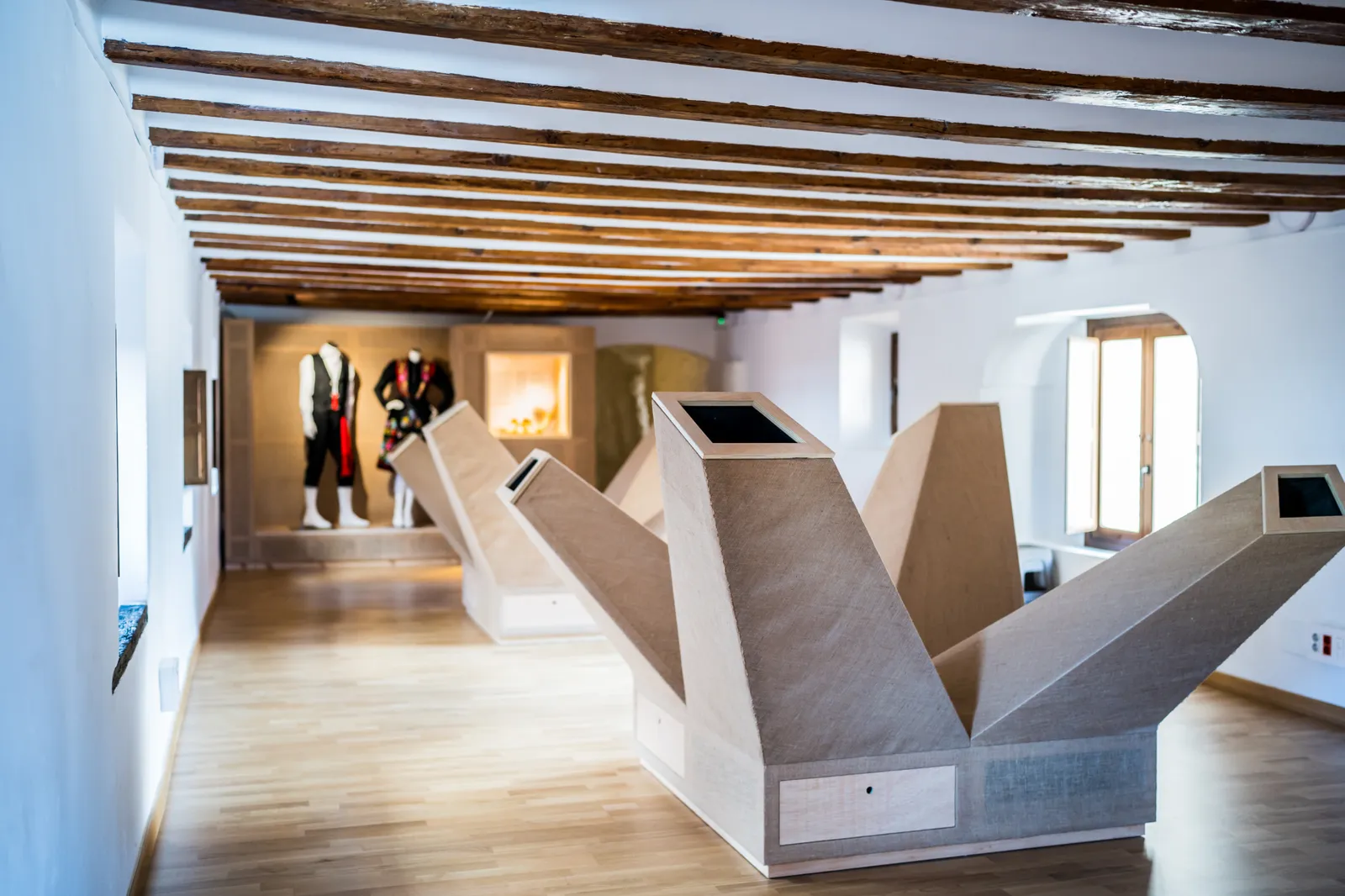
Besides discovering the best way to get the most out of this getaway, at the Saint Francis Convent there are two spaces that are very interesting. On the one hand, the Interactive City Museum of Huéscar, which unpacks the most relevant episodes that occurred within those walls. The convent was built in 1602 and, until its activity ceased, it was bustling with life. It was a center of study and learning, during the Peninsular War it was in French hands and it was transformed into a barracks during the years of the Spanish Civil War. The exhibit preserves from the frescoes that adorned the cloister to ethnographic items such as everyday utensils and regional costumes.