Valencia deserves to be talked about more often. It should be mentioned, for example, when you think about a weekend getaway. Or a week. Or a lifetime. Because in this corner of the Mediterranean life is getting better all the time; even its neighbors say so.
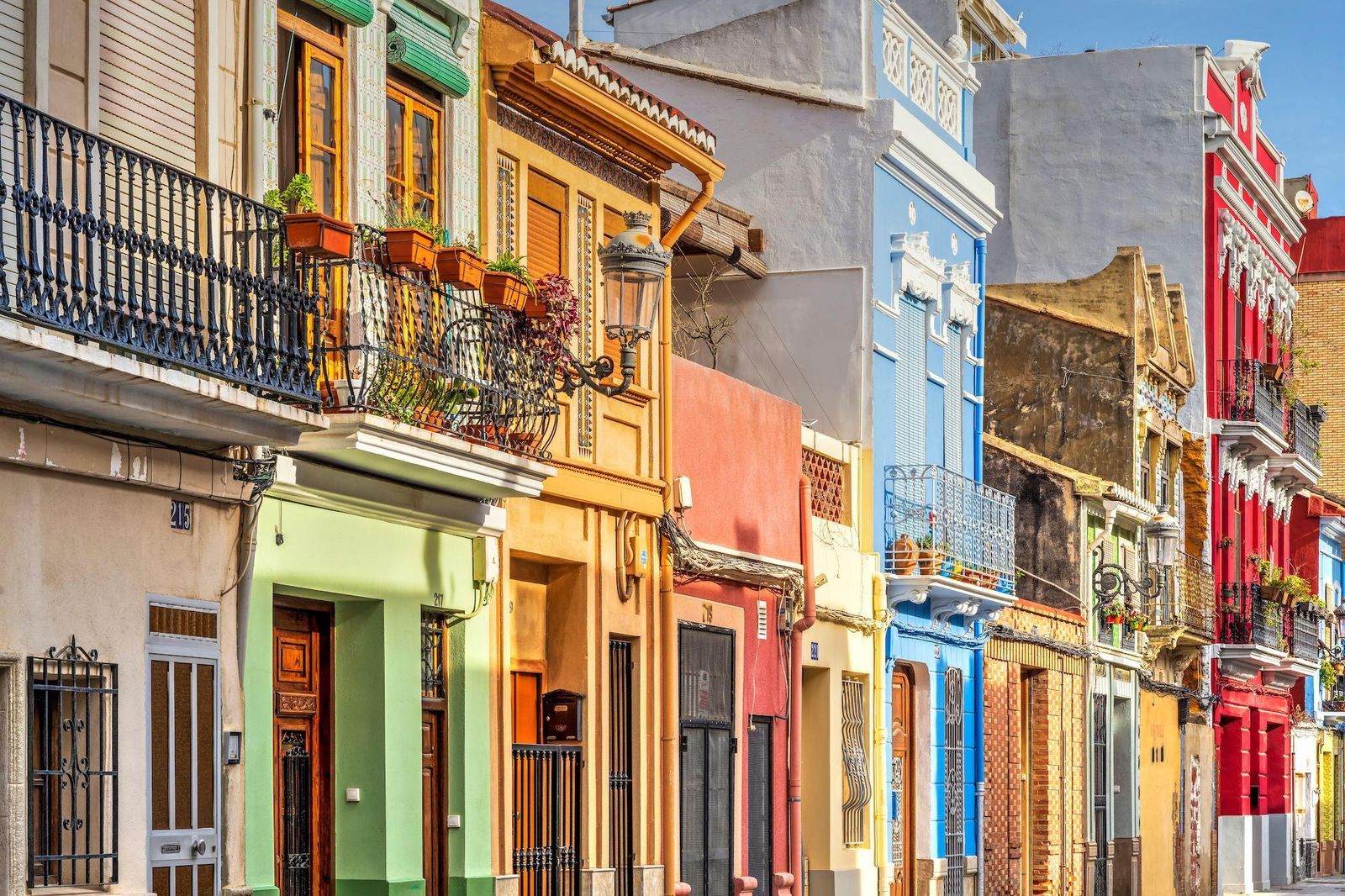
For them, the change is palpable: the city is buzzing more than ever. There seems to be no shortage of happenings, and it’s hard for several interesting plans not to overlap on the same day. Openings, concerts, parties, and festivals chain across the landscape of its welcoming streets, which alternate grand XIXth-century buildings with humble fishermen’s houses and new avant-garde structures that redefine the skyline of the city.
From all of that we discuss next, as we stroll through the Valencia that extends beyond the most well-known tourist landmarks. The one that bubbles thanks to artistic and neighborhood initiatives, and to the work of architects who strive to reinterpret and restore the splendor of buildings that explain the city much better than any guide.
The Cabanyal Slaughterhouse
Before it became a symbol of lifestyle and gentrification, Cabanyal had long been an emblem of resistance. The ordeal its neighbors have endured for decades, utterly inexplicable in a welfare state, can be understood as the result of the concatenation of small, incisive acts of institutional violence to which they have been subjected.
Everything began with one avenue: those in power wanted Valencia to face the sea, and it had to be precisely through that humble fishing neighborhood. To make the operation easier, the streets were abandoned: no licenses were granted to renovate the old houses, which were crumbling; the neighborhood was not provided with new facilities.