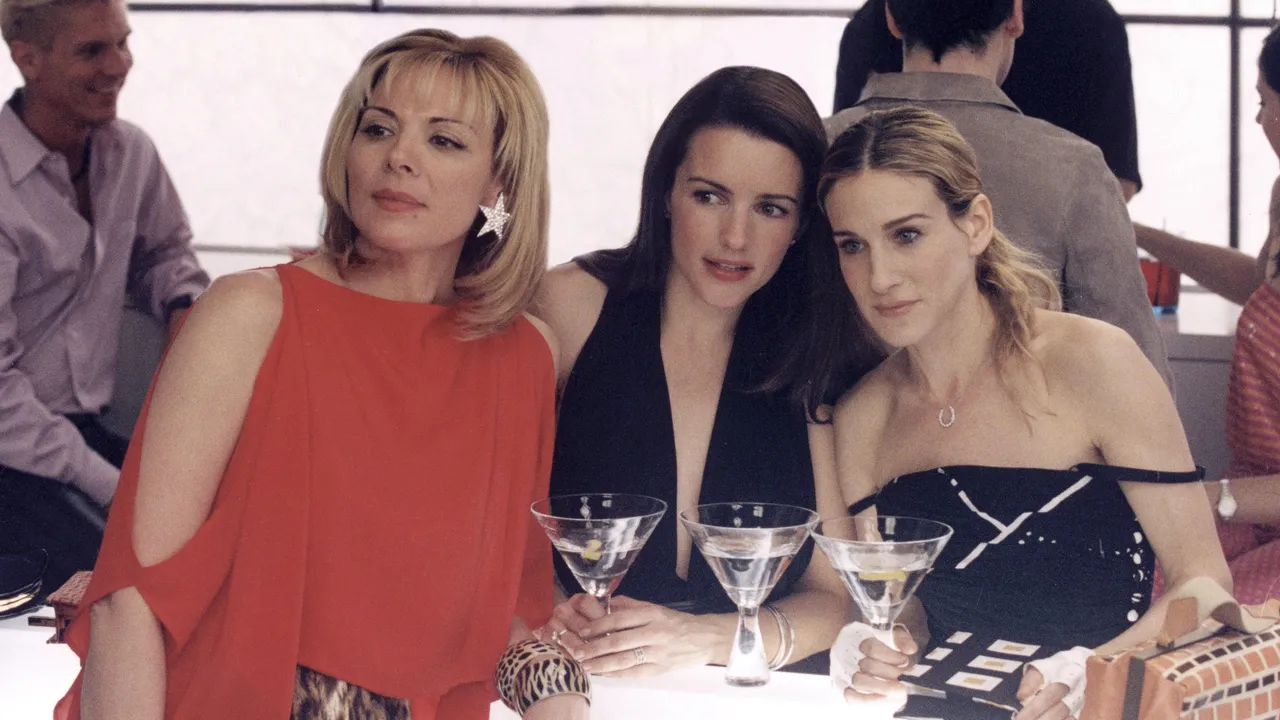
The refrain that “young people don’t drink anymore” began a few years ago as a surprise and then evolved into a little battle narrated by those older, drawn by a camouflaged envy of arguments against the trend. We admired them, but we refused to admit that we were prisoners of a culture of alcohol deeply rooted since childhood. We resisted throwing away years of work spent crafting excuses to justify that socializing without a drink doesn’t come easily to us. This defense, sword in hand, of consumption makes sense for a generation where popularity was always proportional to the ability to drink and smoke on any occasion (personally, I blame Carrie Bradshaw). It’s also worth noting that compulsive behavior in a time when mental health wasn’t fashionable had every chance to win. If, on top of that, it makes me more fun, more extroverted and more seductive—that’s what you think—then it’s all successes. Or so we thought.
Everyday life away from alcohol has ceased to be exclusive to the young; age or lifestyle no longer matters for embracing sobriety. The balance of how cool you can be is no longer measured by packs of cigarettes and tolerance to drinking, but rather by your gym routine and weekly menu. We haven’t grown tired of toasts with friends, but we have grown tired of drunkenness, boozing, tipsy escapades, benders, and hangovers—and nothing like Spanish when it comes to discussing drinking matters—with, especially, when the hangovers start stretching to three days. Nor should we pretend to be idealists: it’s not that alcohol has been removed from the equation, far from it—it remains the most consumed psychoactive substance in Spain—but it has changed the way we relate to it. It is now easier to find people who stop drinking for periods as a rest, others who drink in moderation but never in large quantities, or those who reserve it exclusively for special occasions.
It seems the focus has shifted, fortunately, to the authenticity of the plan. Let us explain. In large cities, for example, the trend of specialty-music parties (R&B, techno, hip hop, afrobeats, salsa, cumbia, dancehall…) is increasingly noticeable and this has much to do with the fact that attendees’ goal is no longer to drink, but to dance. A typical Friday night now wears a festival-like banner, club culture has returned to the dance floor with force and the DJ figure is the absolute protagonist. In Madrid, not to mention, there aren’t few names that frequently enjoy sold-out crowds: Mixtape (@mixtape.room), Zsongo (@zsongoclub) or La Cucaracha (@lacucaracha_madrid) are some of the most popular parties, and venues like Antídoto Club (Cedaceros, 7) or the legendary Sala Clamores (Alburquerque, 14) and Sala Villanos (Bernardino Obregón, 18) are experts at energizing Madrid’s weekends. Alcohol is there, but it is no longer the thread running the evening.