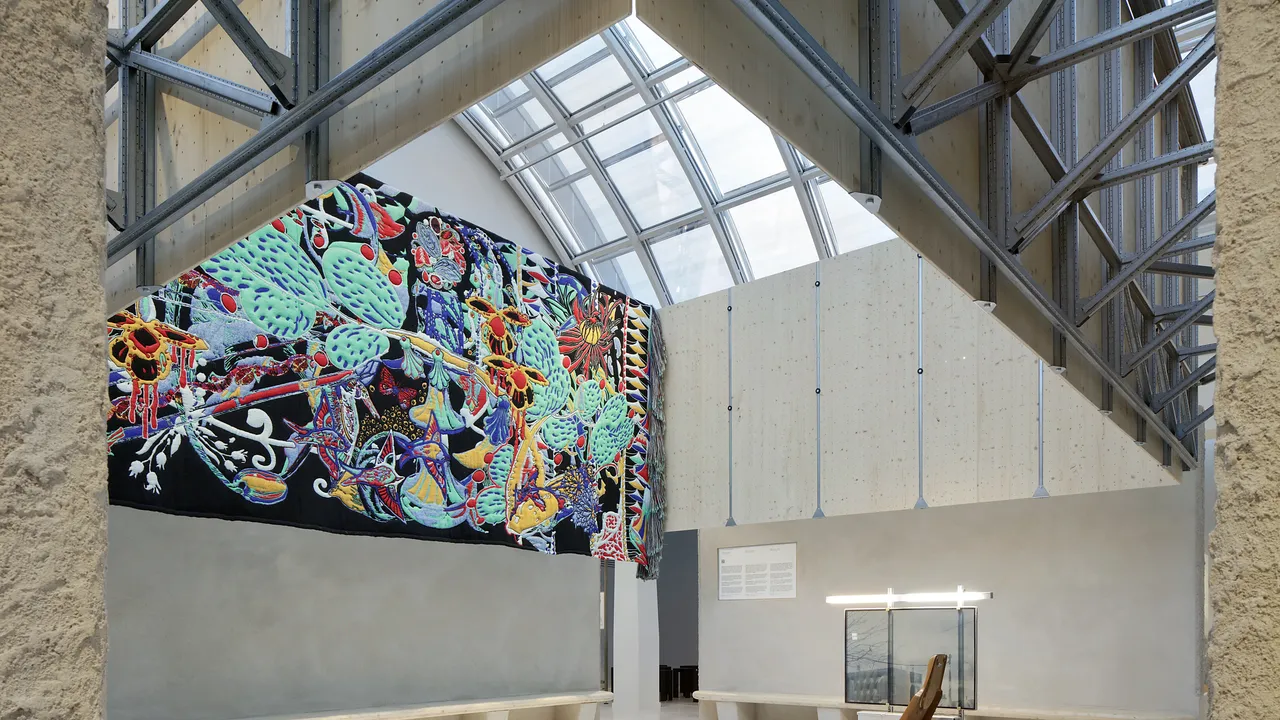
As recently as barely a week ago, the Design Museum Gent (Ghent Design Museum) occupied a cluster of classic Flemish-style buildings, one of them the former Hotel De Coninck. The objects, more than 450 from a total collection of 24,000 pieces that span from the year 1300 to the present, were in their natural habitat: the house. However, these prized display pieces are moving to the newly inaugurated wing that, in the words of Katrien Laporte, the museum’s outgoing director and supervisor of the project, is intended to be “a place for dialogue and reflection.”
It has been Carmody Groarke, ATAMA, and RE-ST (the first English, the latter two Belgian) architectural studios entrusted with ensuring that innovation and history can coexist. While the first two have focused on carrying out the magnificent six-story addition and on ensuring that the museum is fully accessible, the third has taken on the restoration of the old buildings, whose origins date from the 16th to the 20th centuries.
The Renovation
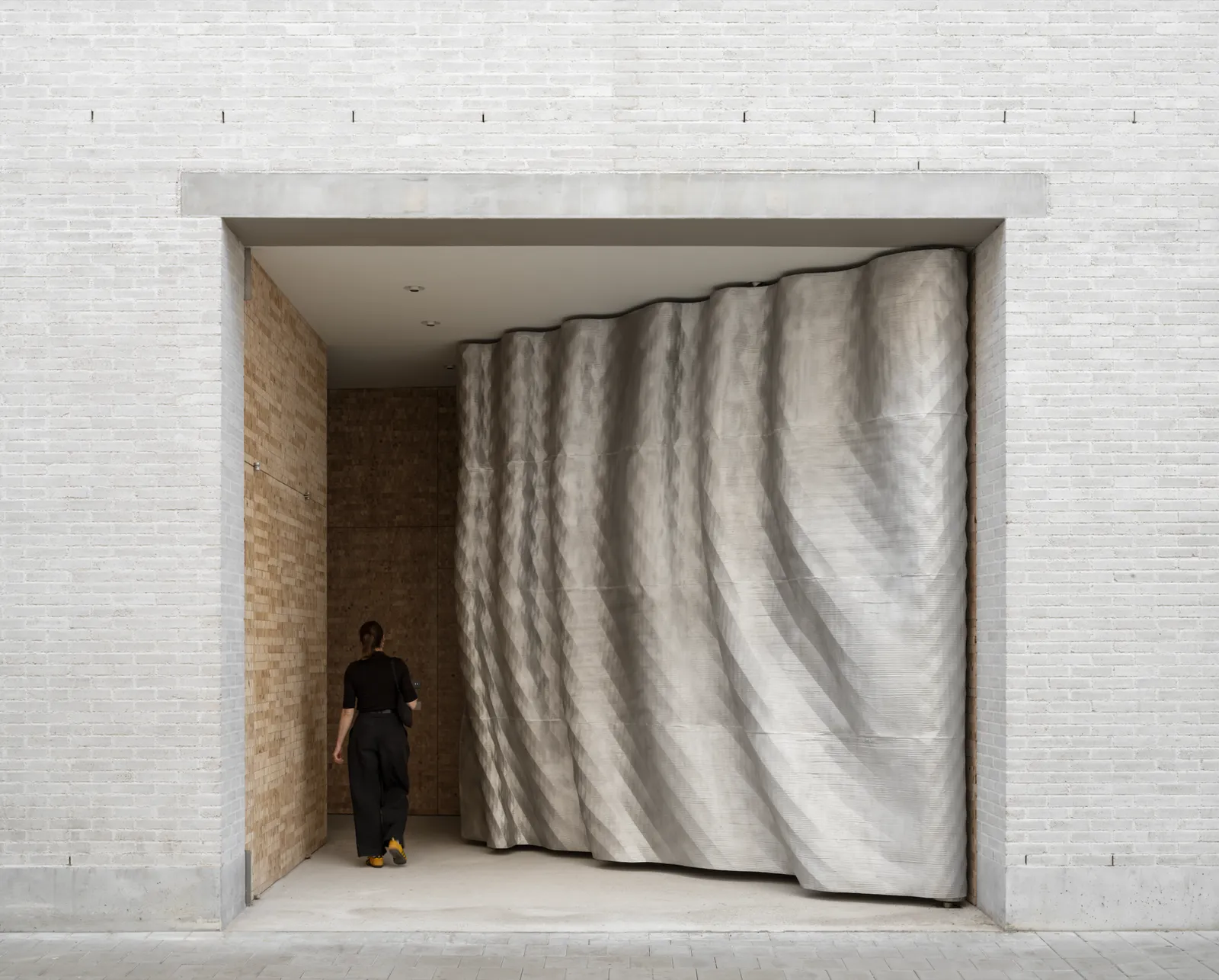
To avoid breaking the harmony of Ghent’s historic center, where the museum is located, the architects drew on references from the city’s own architecture, which are abundant. The varying heights, sloped roofs, and brick walls visible in the surrounding buildings are also reflected in the new wing. Beginning with the most important element—the exterior walls—they reimagined the classic clay-colored brick: lime-hardened, made from local construction waste and painted white, developed exclusively for the construction of the new wing.