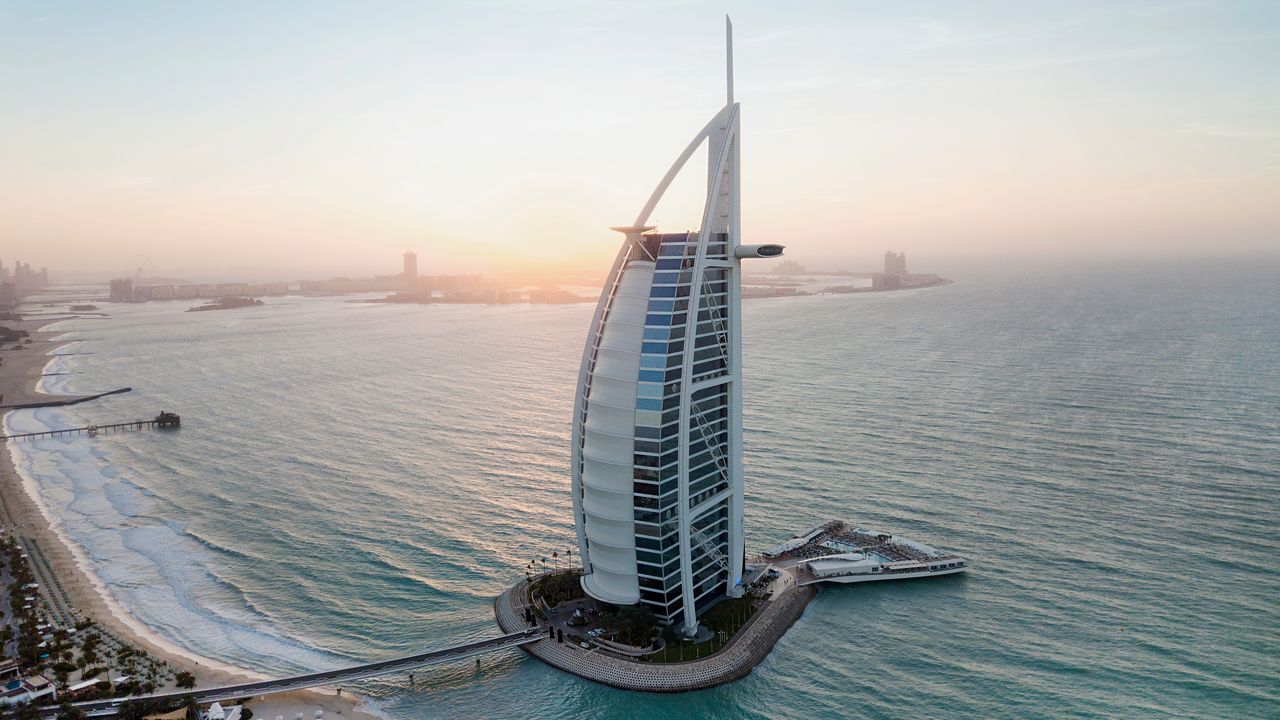
More than 25 years after opening its doors, Jumeirah Burj Al Arab, the most iconic hotel in Dubai, is closing now for restoration work.
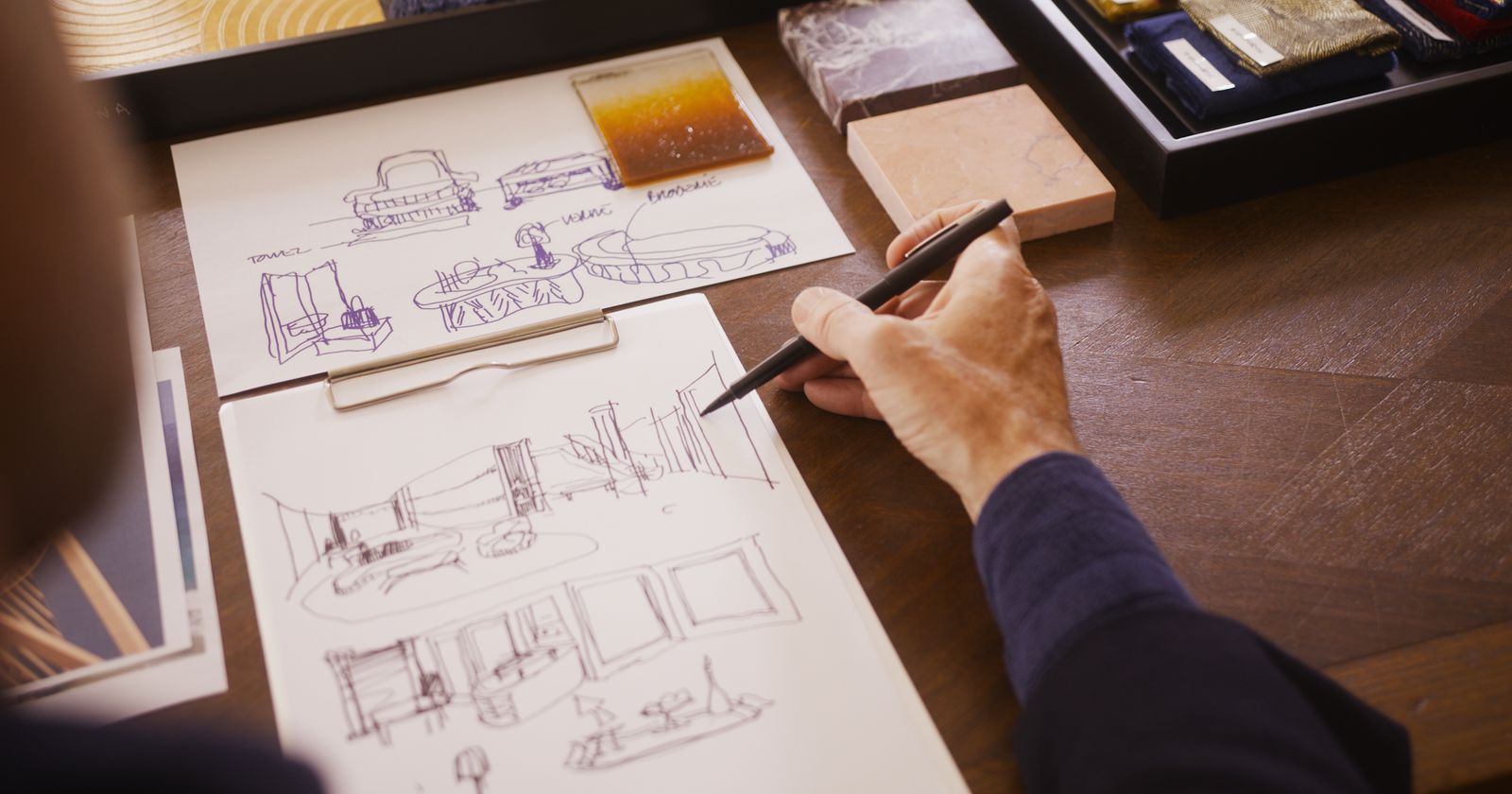
During the closure, planned for 18 months, the hotel’s distinctive interiors will be celebrated, preserved and renewed hand in hand with the celebrated French interior designer Tristan Auer, who has reimagined more than one hotel legend, from the Carlton Cannes to the Hôtel de Crillon in Paris.
But how do you reinterpret an icon? “It’s somewhat a science,” he tells me on a call from his Paris studio. “The Burj Al Arab is one of the world’s most famous, recognized and relevant hotels. As a designer, you must be respectful and observe, listen, and understand the behavior of people inside.”
“His Majesty’s vision for the original design was simply incredible: it expresses Dubai’s taste and the vision of a man, and I must protect them both. So I have to put myself in his shoes in order to understand and exalt it.”
Jumeirah Burj Al Arab has many defining features: designed to evoke the sail of a traditional dhow, the hotel is one of the city’s most recognizable monuments, regarded as a symbol of Dubai’s unparalleled ambition. Equally distinctive are its interiors: there are cascading fountains and aquariums with 400 species of fish, sharks, and manta rays at the foot of its 180-meter-tall atrium; about 1,790 square meters of 24-karat gold leaf run throughout the hotel, along with 86,500 hand-placed Swarovski crystals; more than 30 types of Statuario marble (the same marble Michelangelo used) cover almost 24,000 square meters of walls and floors. Tourists who do not stay at the hotel pay to take a tour through its hallways, to peek behind the curtain of duplex suites and to gaze at its mirrored ceilings, its washbasins with mosaics and its jacuzzis. It’s a design that has always been opulent, without hesitations or subtleties, and that, as Auer explains, will not change.