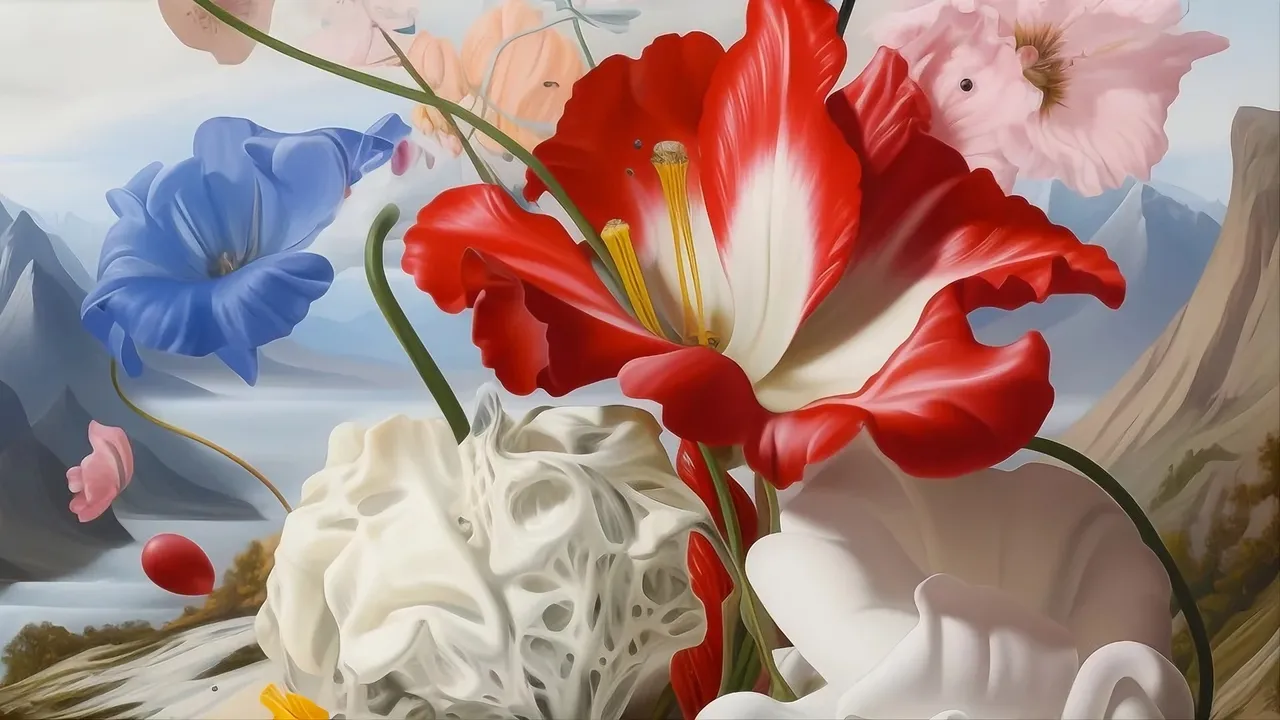
FLORA, the world’s most important festival of florals and botanical art, returns to Córdoba. Until the 22nd of this month, visitors to the city will be able to enjoy the dozens of activities created around this event.
Concerts, workshops, and talks are only a part of it. But among all of them, the elements with the greatest impact are the five floral art installations raised by some of the most prominent artists in this field worldwide. And, as in previous editions, all of them share a common underlying theme.
This year, according to Condé Nast Traveler and Emilio Ruiz, FLORA’s artistic director, the theme is ephemerality. A concept chosen for three reasons. First, because the flowers, the main element the festival works with, are indeed flowers. Just like the installations, which do not endure forever.
And finally, for a more humanistic approach. “In this 21st century we live in times defined by ephemerality, whether in work relationships, personal relationships, places of residence, etc. We have the sense that nothing lasts forever, which is leaving its mark on art,” he explains.
What Lies Ahead After the Apocalypse
Building on that notion of ephemerality, five artists have erected their floral installations. And two of them have chosen to reflect on what comes after the end of the world. As exemplified by the Americans Flover NYC, the most contemporary creators this year joining FLORA. Creators with strong personalities who understand beauty from a rather visceral perspective.
In the Provincial Council Courtyard you will be able to see their work “I Can’t Wait for the Future.” An installation in which, Ruiz explains, they aimed to represent what remains after a tomorrow that has begun in an apocalyptic scenario. “An idea realized by covering the courtyard floor with grass and raising two structures above it: one with a ramp that culminates in a ficus and a moving robot dog, and another that rises from the ground to reveal a kind of unsettling cave.”