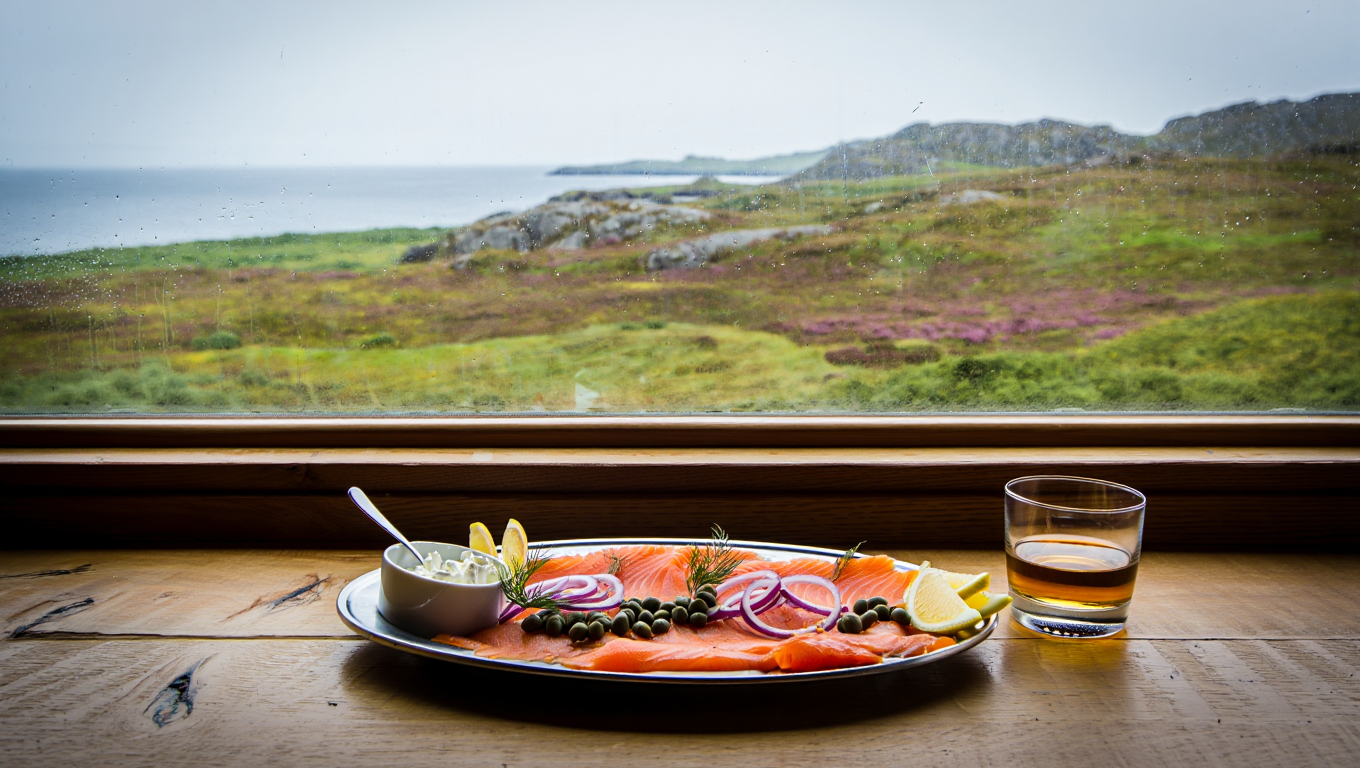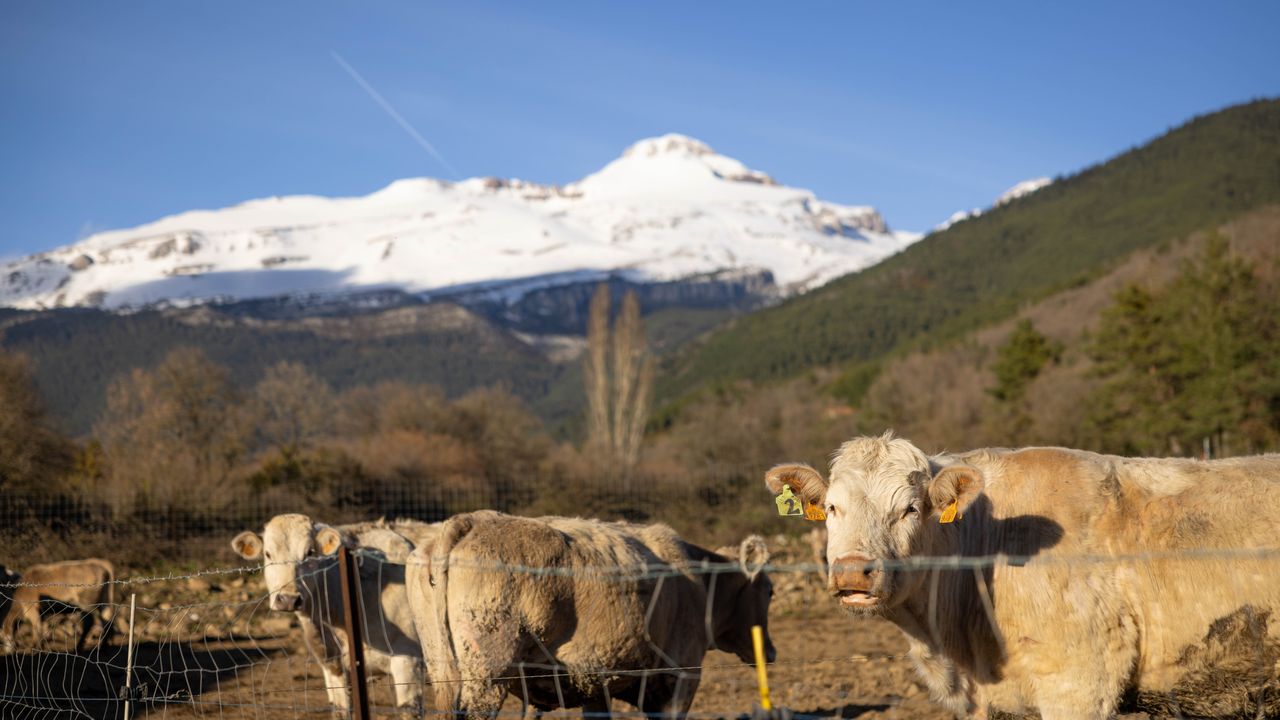
Sometimes the most unusual routes are also the most captivating. And if you doubt it, ask Alto Aragón, a territory that has learned to transform its agro-food sector into an experience where gastronomy and innovation unfold step by step, from the genesis of the product to haute cuisine. Here it’s not just about gazing at the landscape; it’s about understanding it through what it creates: almond trees growing near the Pyrenees, farms that preserve tradition, dairies with catalogs that tell multiple stories, and restaurants that turn the local into something you can experience with all five senses. The landscape here invites more than simple admiration; it becomes a lesson in how food travels from soil to table, shaping local identities.
See photos: Stop by stop, here is an indispensable (agro)gastronomic route through Alto Aragón
With the aim of promoting all this wealth, the initiative Aragón, Sabor de Verdad was born, a project that seeks to position this region as one of the most desirable and emergent destinations for gastronomic tourism in Spain. And it achieves this through a journey that allows the traveler to traverse the whole path: from its origin in the field to its final interpretation on the tablecloth. It invites visitors to follow the full arc—from field to fork—experiencing soil health, seasonal harvests, and the craft that elevates humble ingredients.
The excursion begins at Crac – Frutos secos de Aragón, where almond trees and walnuts dominate the serene landscape. There, Jesús, belonging to a seventh generation of farmers and an agronomist engineer from Gurrea de Gállego, has transformed his family’s walnut and almond farming into a 360º project that covers harvest, selection, packaging, design, and marketing (the last steps only in the case of walnuts). Their nuts, grown without pesticides, reflect the respect for the consumer and the environment that defines this new generation of producers. This approach also signals a pledge to biodiversity and low-impact farming that respects both people and the land.
The journey continues toward the Pyrenees with La Borda de Pastores, in Rapún (Sabiñánigo), where pastoral farming is lived from within. In this setting, visitors step into the world of traditional herding and discover how the Ternasco de Aragón IGP, one of the community’s great gastronomic emblems, is raised, while also wandering the mountain pastures and sampling other dishes such as migas de pastor. Moreover, the project demonstrates that tradition and innovation can coexist, thanks to technology applied to livestock management, its shepherding museum, and even a themed escape room that allows guests to immerse themselves fully in this rural universe. This approach also shows that rural development can be driven by a synergy between ancestral know-how and contemporary practices, creating a hospitality experience that resonates with both locals and curious travelers alike.