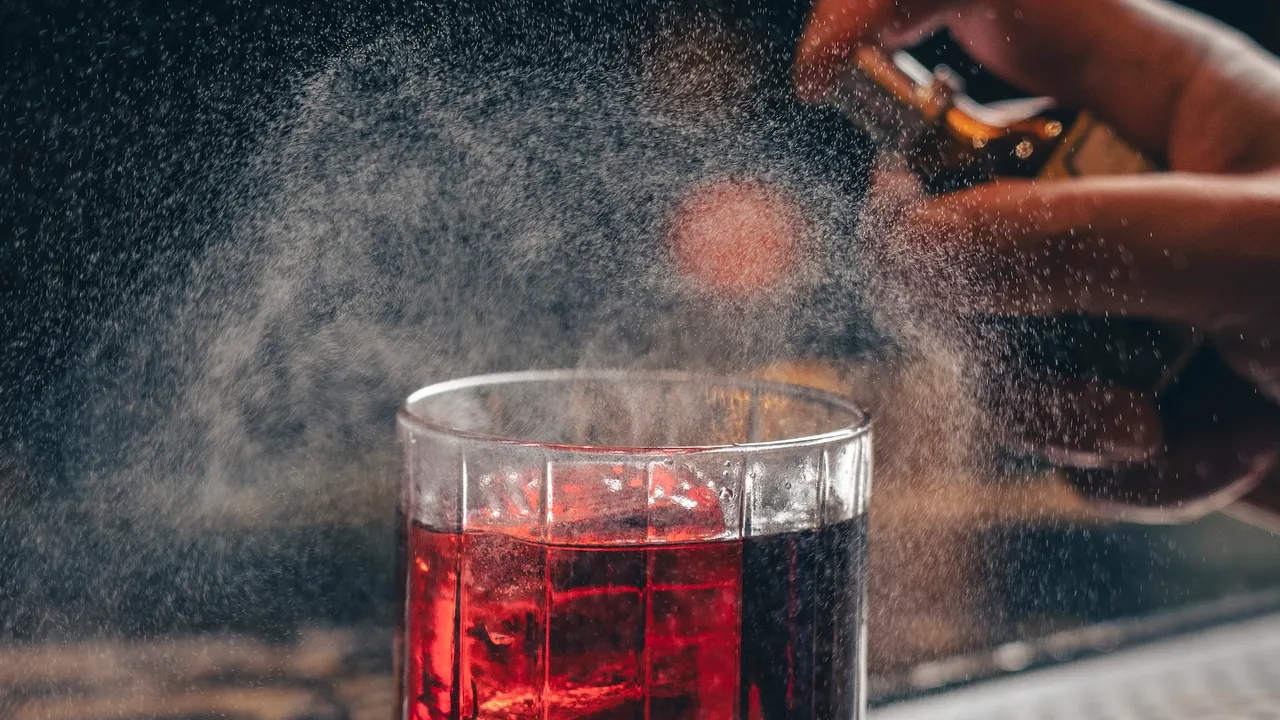
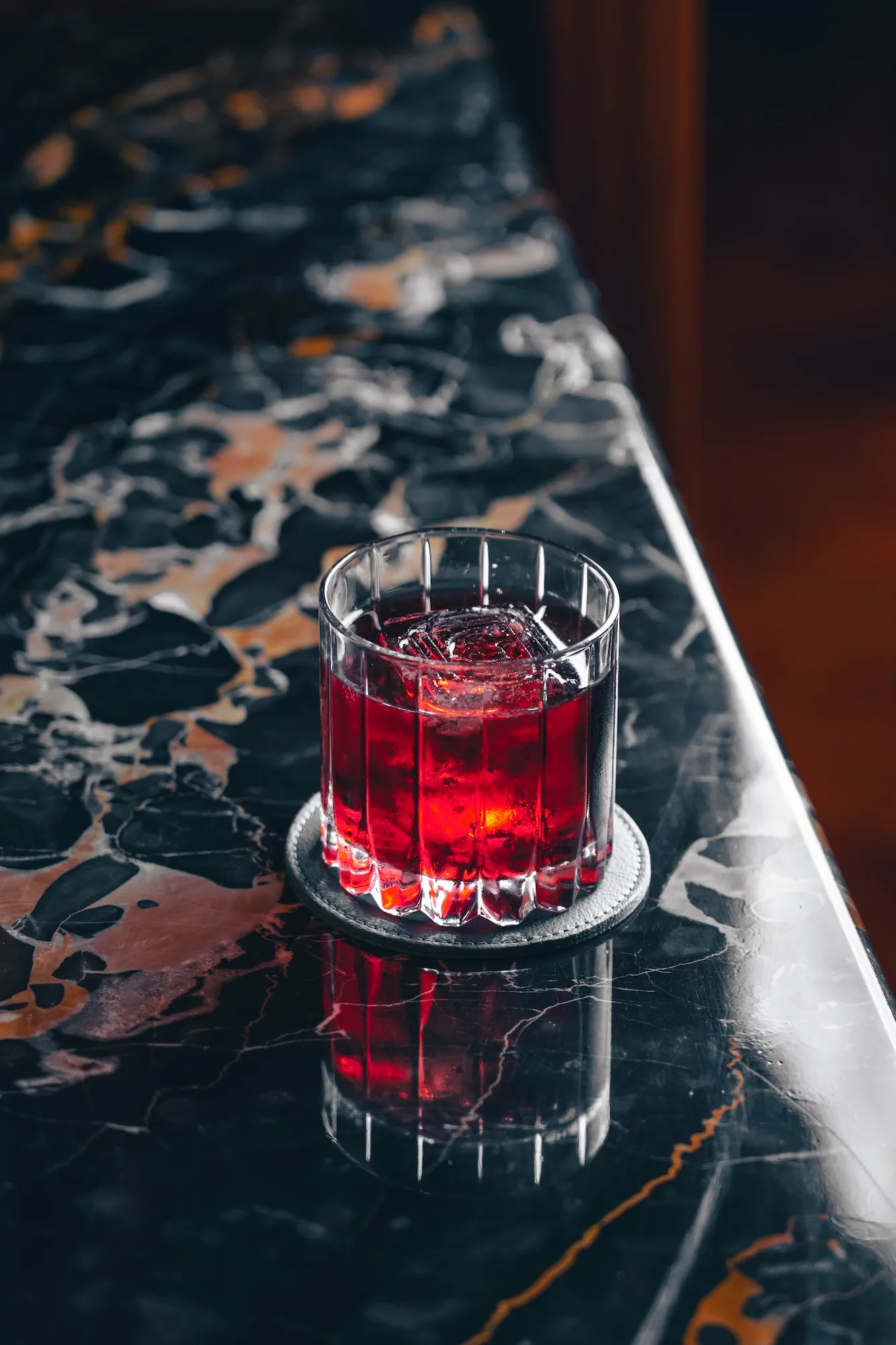
Cocktails begin to appear at a dangerous pace in front of Giacosa’s bar in Florence. First comes a classic Negroni, then a Cosmo Negroni crowned by a small colorful mandala on the foam, and, a little later, a Piña Colada Negroni with the scent of sunscreen sprayed over a tropical parasol.
Among bartenders, jokes and explanations about each mix, the Negroni seems here a cocktail with infinite possibilities. And, yet, it all started in a much simpler way, just a few meters further down this same street.
Giacosa is on Via Tornabuoni, one of the city’s most elegant streets, surrounded by houses of haute couture and immaculate shop windows. The historic café enters a second phase in a city where the aperitif remains almost a ritual. In 2023 it reopened under the Valenza group (also responsible for Florentine classics such as Gilli or Paszkowski) with the aim of reviving its history without getting trapped in it.
Among other things, because the original Giacosa no longer exists as such. The Negroni was born barely 30 meters further down, in the space now occupied by the Armani store. A small plaque remembers the historic site of the old Drogheria Casoni where, according to the most widely shared story, Count Camillo Negroni asked the bartender Fosco Scarselli to replace the soda in his Americano with gin in 1919. Eight years later, Giacosa moved to the former Casoni space and since then became tied to the cocktail’s history, until becoming one of Florence’s best-known cafés.
By the late 20th century, Roberto Cavalli bought the space with the idea of joining fashion and a café. For a while the two worlds coexisted, and many Florentines still dropped in simply to have a coffee during the day. Over the years, the café eventually closed.
“The name ceased to exist for four years,” explains Mirko Maurello, the barman of Giacosa, while he prepares a few cocktails behind the bar. When it was revived, he says, the aim was not to reconstruct the past literally, but to return part of its identity to the bar. That also meant reclaiming its daytime life as a café, as had happened during the Cavalli era.