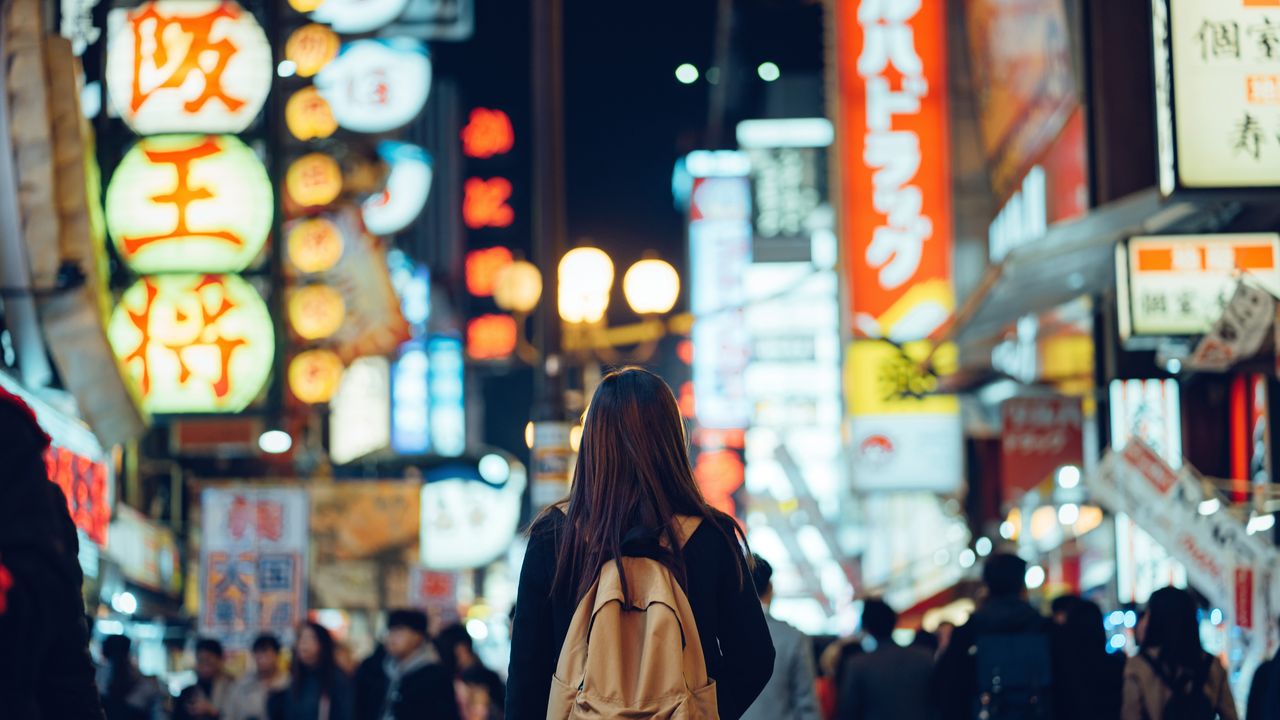
A new day dawns in Kyoto. Mr. Sato, a respectable professor from the Japanese city, is about to catch his usual bus, wondering to himself if he will have to wait again because it is overcrowded. When he gets on, he still recalls the quiet times on the way to work, that restaurant that is now impossible to book, the tourists who eat on the sidewalks or those who strike poses while crossing a zebra crossing. Searching for a Miyabi that, at times, he no longer recognizes.
The Japanese word Miyabi (雅) refers to the concept representing traditional beauty, elegance and refined sophistication that is so characteristic of Japanese culture. An atmosphere today poisoned by the rude gestures and bad manners of the thousands of foreign tourists who visit Japan every day, a country that reached a record of 40 million visitors in 2025.
Hence the media in the land did not delay in naming this phenomenon as kankō kōgai or tourism pollution.
Kankō kōgai: when beauty shows symptoms
Since 2003, the Japanese government has made tourism a key area of its growth potential. In order to revitalize neglected areas of its territory, the national plan proposed that the regions use their heritage, their narratives and other resources to create tourist destinations and enrich the local economy.
However, the excessive success in energizing the tourist economy in certain places in Japan has culminated in the well-known “tourism pollution” (kankō kōgai), especially in Kyoto, Tokyo, Osaka, Hiroshima, Kamakura, or, lately, even Kawagoe.
“Really, there are many Japanese people fed up with tourists, and it is a growing trend. It is not so much about the number, but about the lack of respect and bad behavior of these tourists,” says Marc Morte, a guide for trips to Japan. “This is a very special country, with rules and social etiquette that even the Japanese themselves know well and respect. The problem is that, with the exponential rise in tourists, the number of people who shout, litter, speak loudly on public transport, film themselves dancing in the metro, don’t respect queues, etc… And of course, many instagrammers and influencers who try to turn their trip to Japan into a spectacle without respecting the local culture at all.”