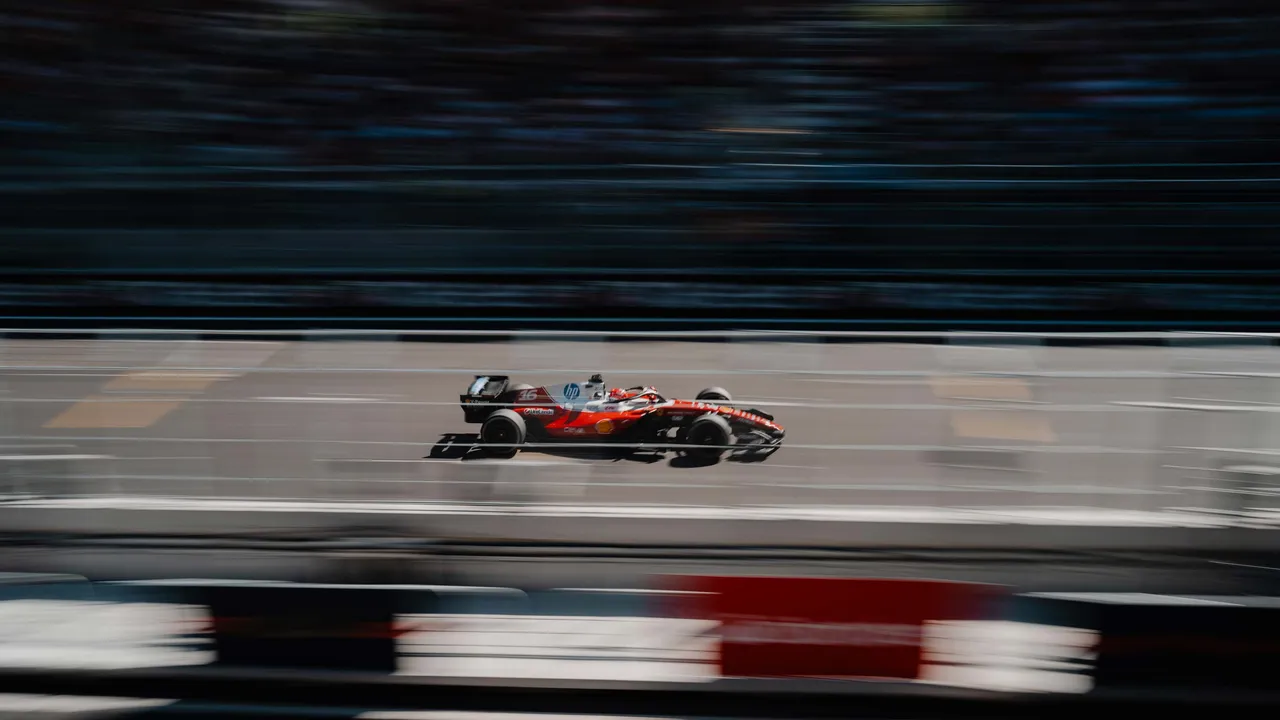
There is a Madrid we know very well: the terraces, the museums, the hotels and the bustling streets and squares full of life. And then there is the inexhaustible and spectacular Madrid, which enchants us with its ability to host the grandest concerts and the most thrilling sports events. This is the Madrid we enjoyed a couple of weeks ago: a city racing at 350 kilometres per hour.
For three days, the Fórmula 1 TAG Heuer Gran Premio de España 2026 turned the surroundings of IFEMA into the international epicentre of motorsport, delivering on and exceeding all the expectations surrounding this date. The new Madring, a circuit measuring 5.414 kilometres and 22 corners, hosted the fourteenth round of the Formula 1 World Championship and, above all, wrote a new chapter in the sport’s history in the capital. Formula 1 has returned to it after 45 years, since the last visit was in 1981, at the Jarama circuit, bringing Madrid back into the exclusive club of cities with this circuit and drawing in international celebrities such as Rafa Nadal, David Beckham, Patrick Dempsey, David Bisbal, Luis Fonsi, Luis Figo…
The first thing that surprised us as we approached the circuit was that Formula 1 did not stop at the track. Around Madring, over three days, a parallel universe unfolded: teams working from portable offices — as a curiosity, we learned that Ferrari has a preference for choosing its location in the paddock, because there is a reason they have been involved in F1 since before it was F1 —, generators running at full tilt, mechanics coming and going from the garages, and a crowd arriving from every corner of the world.
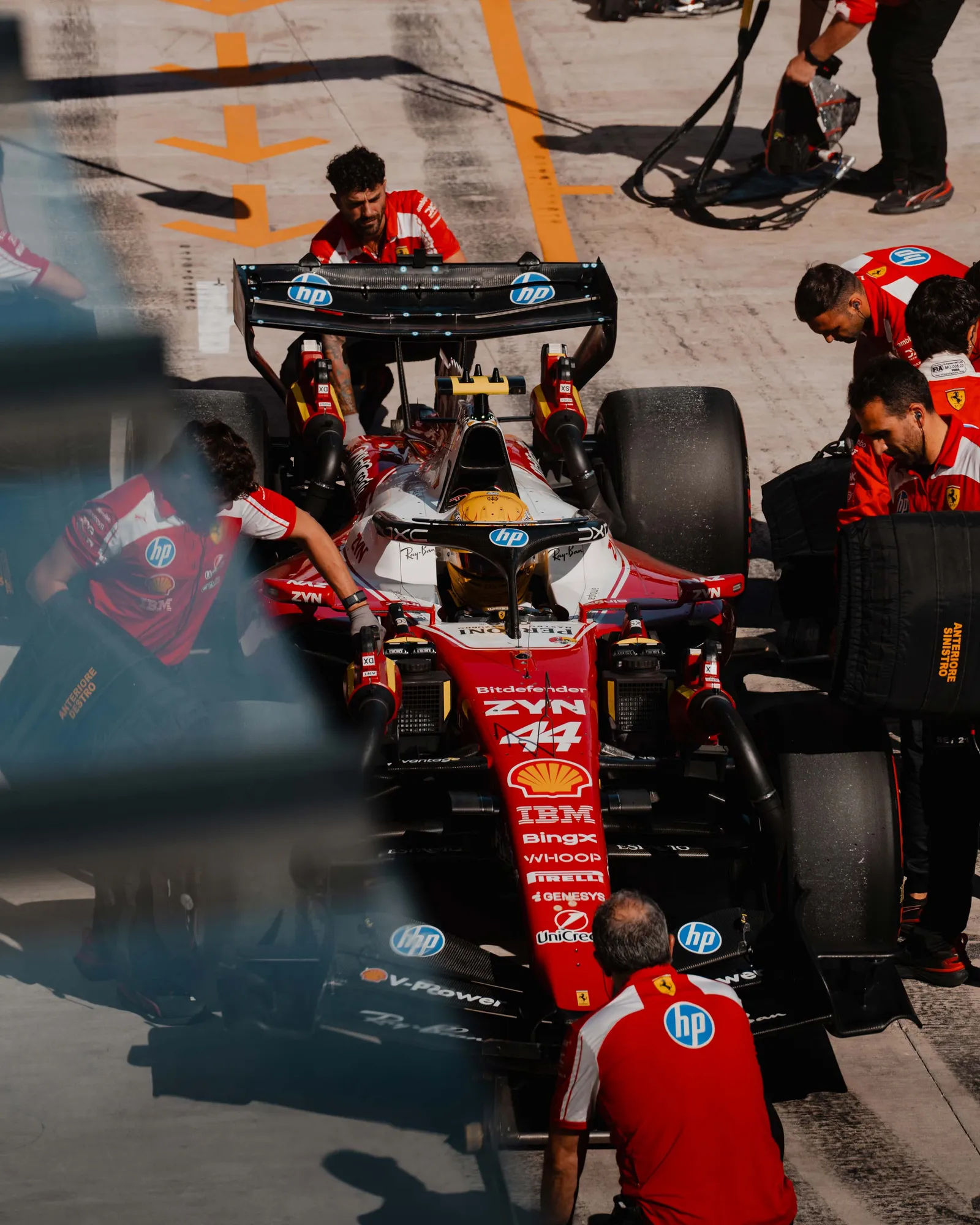
The nomadic spirit of Formula 1 can only win us over: a temporary landscape that travels from Grand Prix to Grand Prix, settling in for a few days and then dismantling again when the race ends, and through which fans of countless nationalities move with vibrant energy. From the outside, everything looked perfectly choreographed. From within, we understood the magnitude of this grand logistical machine, especially when strolling along the pit lane, the area beside the track where the teams’ garages sit. There we saw the cars up close and the garages, the mechanics and team members (even a few drivers) preparing the cars, the atmosphere and the pre-race activity.
The 2026 Spanish Grand Prix has also altered the map of Formula 1 in our country. Barcelona-Cataluña hosted its own race in June, while Madrid has just inaugurated Madring as the new stage of the championship. TAG Heuer, the Grand Prix’s main sponsor, lends its name to a race that has meant much more than just another date on the calendar: it has brought back to the capital an event that had not been hosted for decades.