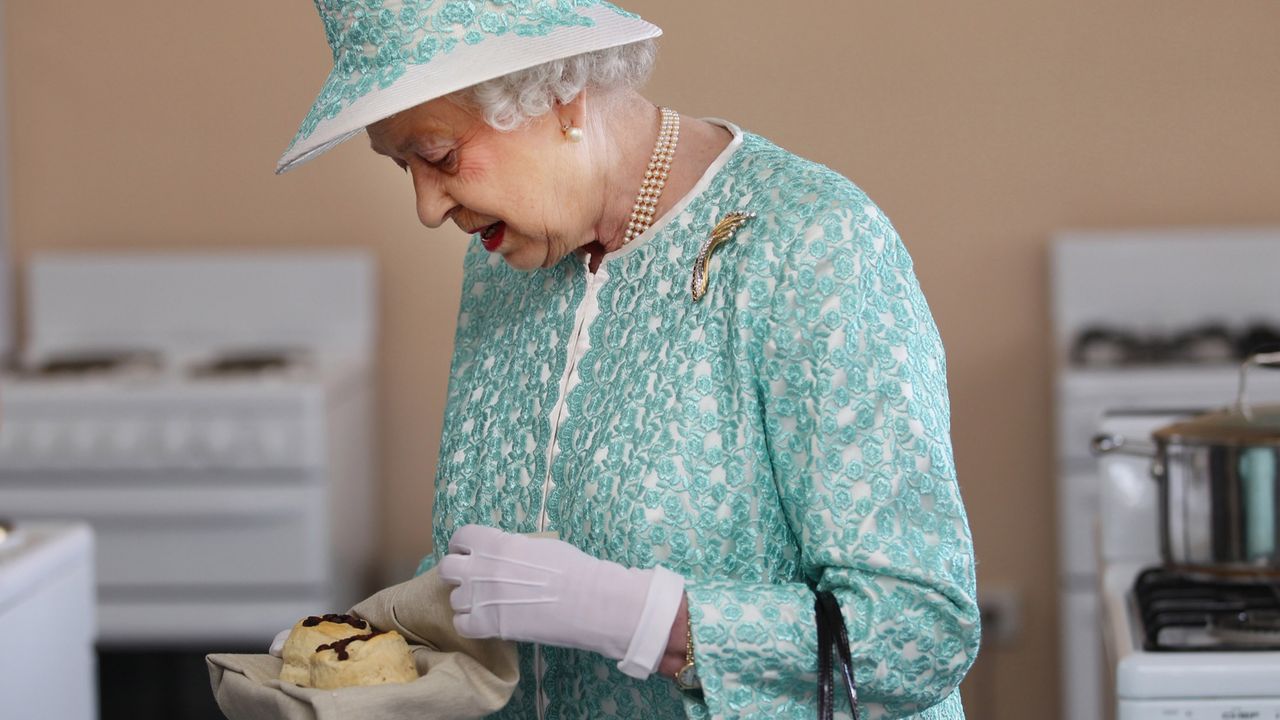
This ode is simple, like them. These pastries? breads? cakes? have accompanied breakfasts and teas across Great Britain for centuries. They do so without fireworks, without trying to be the kings of the table: they have for centuries gone about their business without wanting to bother.
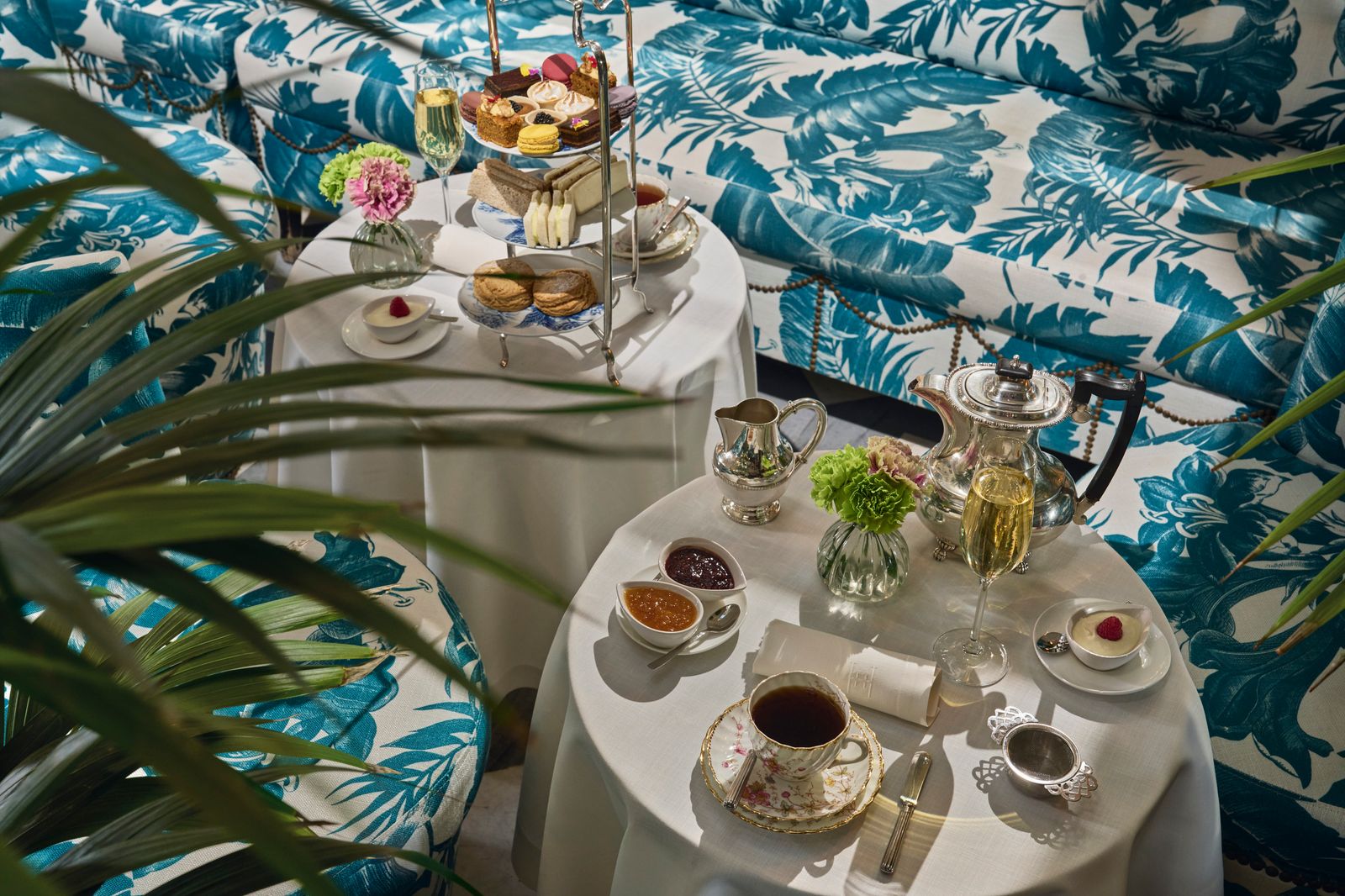
Upon landing in London and entering the Marks & Spencer supermarket (because that is what one must do), the gaze turns toward scones, whether baked or packaged. One must resist the temptation to buy them because, there, as humble as they are, they require their minimum protocol. They are not eaten on the street: they are not croissants. A scone demands a table and a chair and, ideally, a cloth tablecloth, a porcelain plate, and a good cup of tea nearby.
Before continuing, let’s explain the pronunciation of the word: in England it is scon and in Scotland it is scún. Choose one. There you already sense something: this food is not the same for everyone. The origin of the name is not clear. There are several theories: one argues for the Dutch schoonbroot (“fine/white bread”), and another for the German one (a mix of schoon/schön = “beautiful/fine” and brot/broot = bread). More plausible, by proximity, seems the Gaelic explanation: in that language sgonn apparently means “piece, lump, a large bite.” And indeed a scone is a lump, but it is our lump.
For centuries it has remained thus, amorphous in shape and, at first glance, somewhat dry. The oldest written recipe dates back to 1669 (Wellcome Collection) and mentions a preparation made with flour, currants, eggs, sugar, brewery yeast, and cream. Scones were baked at home for household consumption until a woman named Anne Marie Stanhope, then Duchess of Bedford, in the summer of 1840 began serving tea with them. The extravagance (a humble sweet in a house of high society) was so liked that Queen Victoria herself adopted it. And what the queen endorsed, since she was the ultimate influencer of the moment, became a tradition. From then on there is no Afternoon Tea, that so civilized custom, without them. If we do not find them on the table, we will feel a deep sense of disappointment.