In 2024, the first season of Reina Roja, the series that adapted the global bestseller by Juan Gómez-Jurado. The success was global, to such an extent that the renewal of the following seasons, to bring the next two installments to the small screen, Loba Negra and Rey Blanco, was immediate.
“It’s curious, because when you sign on for a first season, no one knows if it’s going to work. They tell you, of course, that if it goes well, there will be two more, following the novels, but there could even have been a plan for only one season for the other two. And that’s why, at the start, I tried not to form a global idea, but then it turned out so, so well,” says Koldo Serra, the director of what would end up being three seasons, the last two shot practically back-to-back, even though they will premiere with months between them.
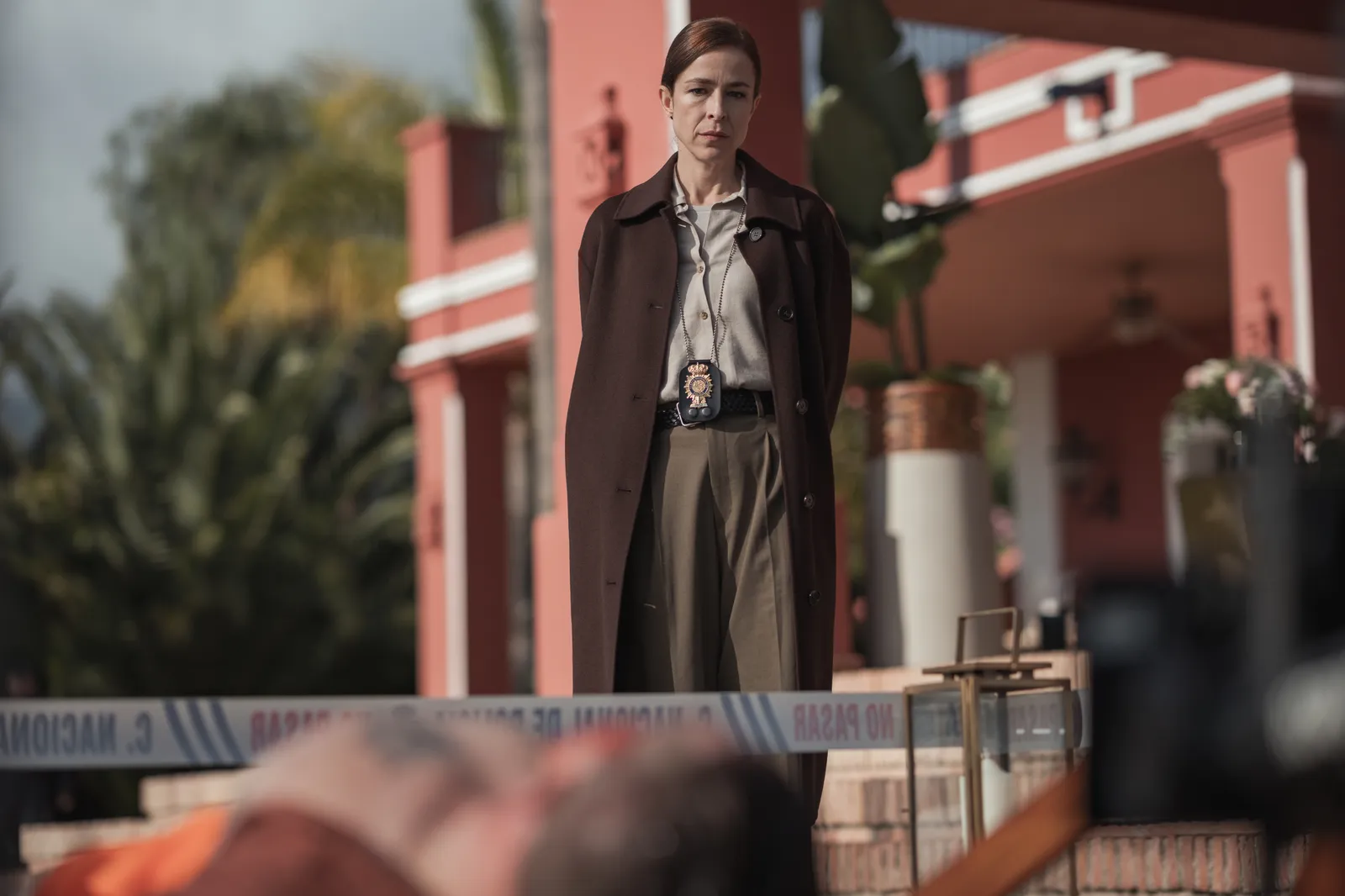
For now, Reina Roja 2: Loba Negra (now available on Prime Video) has arrived. And it is, perhaps to some, somewhat different from that dark and very urban first season that took place between the blue skies and the black subways of Madrid.
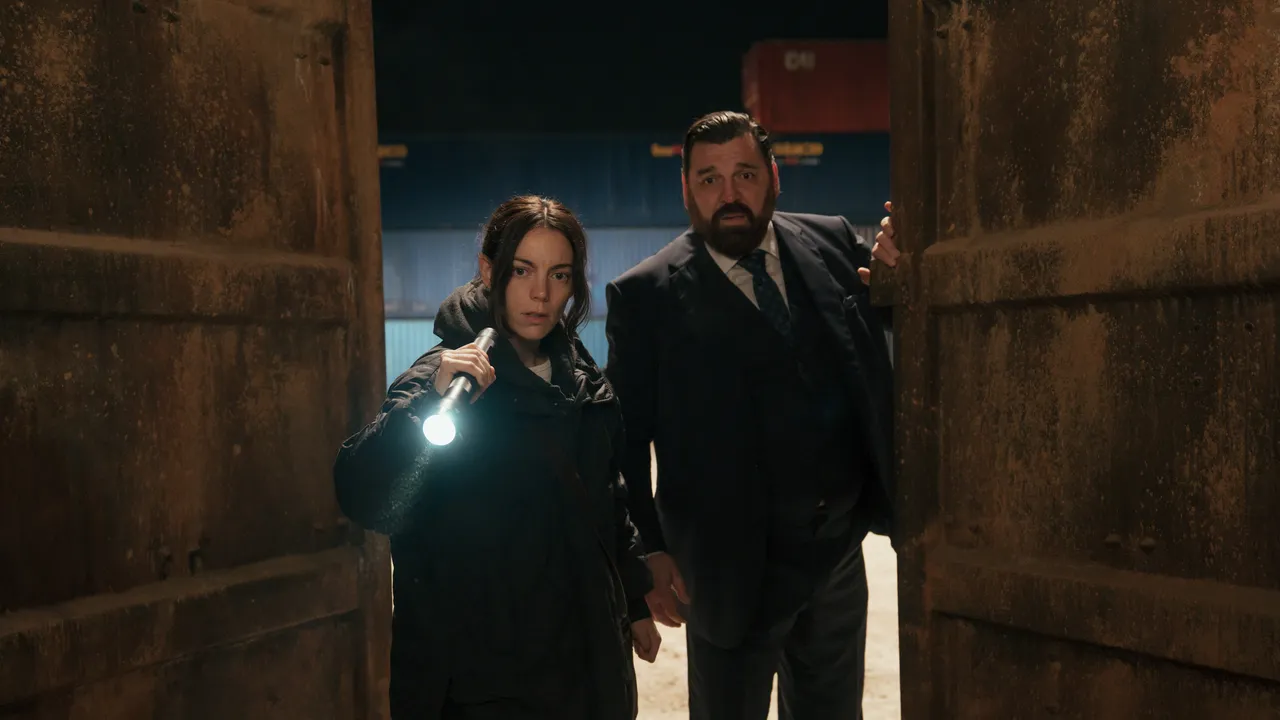
“One of the things that made me say yes to the project is that the three novels are very different. That is, each one is almost a different genre,” explains Serra. “The second has nothing to do with the first, to begin with, because it is set in Marbella. The first was a thriller, a nearly origin story, by analogy with the superhero world that Gómez-Jurado really likes, saving the distances like a Seven, by David Fincher; while the second is a police thriller with mafias; and the third – without giving any spoilers, as it is in the book – is a buddy movie and a countdown. And then, the beautiful thing is that they share many elements, the same characters evolving, a long horizontal plot that links them, but each one has its own identity.”