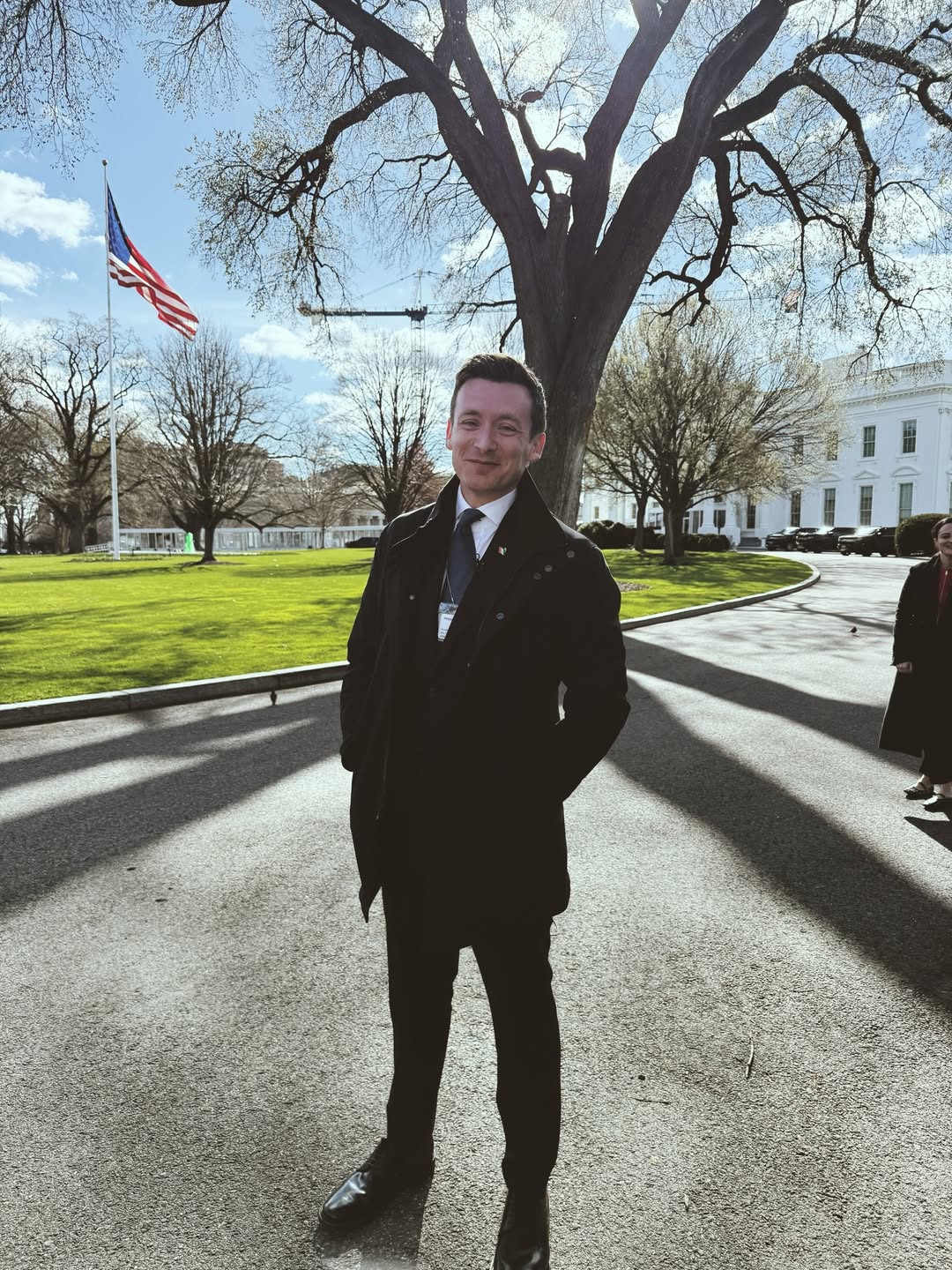
Airing on Virgin Media One and Virgin Media player on Wednesday 20 May, ‘Make Ireland Great Again’ explores the evolving political and economic relationship between Ireland and the U.S.
The one-off documentary was shot in Washington D.C. and Philadelphia during the Taoiseach’s visit for St. Patrick’s Day. In it, some of the senior figures in Capitol Hill and U.S. foreign policy are featured, some of whom we’re hearing from for the very first time in Ireland.
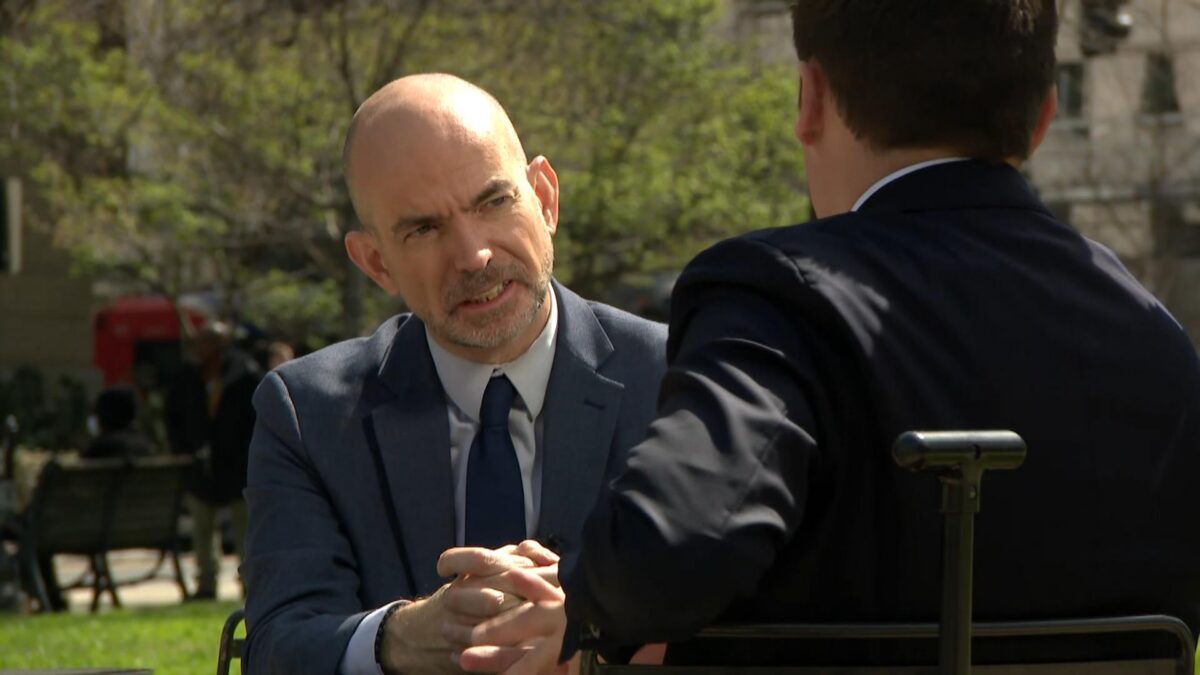
The man behind the documentary is Richard Chambers. The journalist and author, most recognised for his work as a news correspondent for Virgin Media News, said that being at Kamala Harris’s election watch party at Howard University in D.C. is what pushed him to create the programme.
“When I was at Kamala Harris’s election night watch party in Howard University in DC, and I was just watching the gloom of faces and the realization come over people. I was like, okay, I can understand what it means for these people here. What does it mean for our people back home?”, he tells us. We catch up with Richard to learn more ahead of tonight’s documentary.
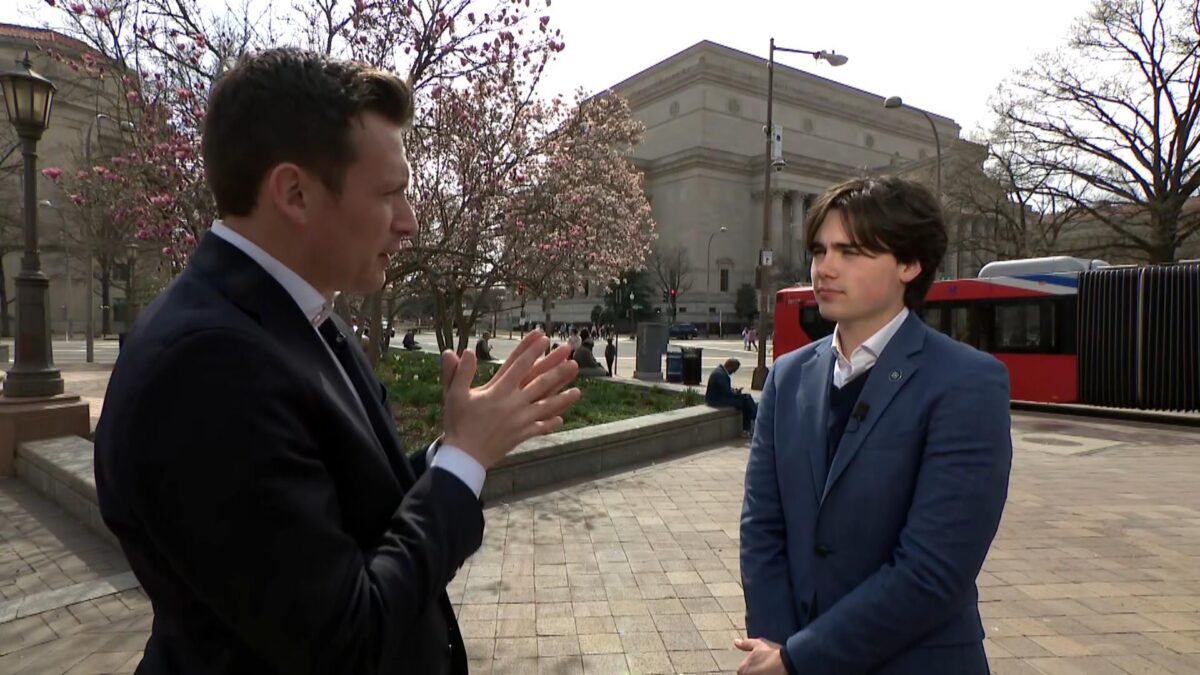
What are some things you learned in the process of creating the documentary that people might not know about Ireland’s relationship with the US?
We spoke with a number of influential people on Capitol Hill who maintain deep ties to the U.S. embassy here. In essence, these are our friends and acquaintances of the U.S. Ambassador, Ed Walsh. The breadth of their understanding and knowledge—and how readily they can translate it into practical leverage—among those in the administration or their allies on Capitol Hill is striking.
The extent of Ted Ellis’s (Campaign Director of Power America at America First Policy Institute) grasp of Ireland and our energy security challenges, including the data-centers issue, is remarkable; these individuals are thoroughly informed and are evaluating how Ireland’s shortcomings and infrastructural hurdles could be used to their advantage.
When Irish audiences think of Irish America, there is often a tendency to picture them through a rosy lens; yet the depth of political insight these figures possess is genuine and considerable.
The bluntness of the rhetoric, and the clear sense that Ireland is in effect tethered to the U.S. government and American companies, underlines the perception—shared by them—that they effectively own segments of our economy. That kind of awareness, if it’s being dangled in front of you, is indeed disconcerting.
Donald Trump has created an intense media environment with how he speaks to and about journalists. How do you navigate creating a piece of journalism regarding politics and his administration in the sphere he’s created?
I believe that any journalist in the twenty-first century needs to grow a thick skin because there will always be targets—whether on social media or within political circles—in a way not seen before.
You rely on the integrity of your reporting, on asking tough, pertinent questions, and on delivering the answers that audiences expect. One contributor we spoke with is Niall Stanage, a veteran Irish journalist covering Capitol Hill. People may recall his tense exchange with Caroline Leavitt in the White House briefing room, where she branded him a “left wing hack” for his questions. He also engaged in a few private conversations and sharp exchanges with Donald Trump. This illustrates how Irish journalists in the United States can face resistance to certain lines of questioning from the administration.
What is the biggest thing you hope people take away from the documentary?
I’ve been pondering that question today, because viewers have pointed out figures like Rich McCormick, a Georgia Republican congressman who joined the visit earlier this year to watch the Six Nations and met several Irish politicians. He argues that “we can switch off your economy in an instant”—literally, with a single gesture he could sever access for major American tech companies such as Google, Apple, and Microsoft.
Some audiences questioned why such a figure is given a platform. Yet the point stands that power dynamics shape a world where “might makes right,” and that is the modern posture of the U.S. government and its allies. This reality poses a challenge for smaller nations like Ireland, which have long leaned on softer power. If might dominates, where does soft power fit in, especially when Ireland remains highly exposed? The film invites viewers to ask whether this truly remains a two-way relationship.
This relationship has grown even more intricate, and it would be naïve to expect it to glide as smoothly as it did during visits by Joe Biden or Barack Obama, or even during potential future stops by Donald Trump. There are bright smiles and ceremonial exchanges—Shamrock bowls handed over and many photo opportunities—but behind the scenes, tensions can run high, and that is a reality viewers should understand as well.