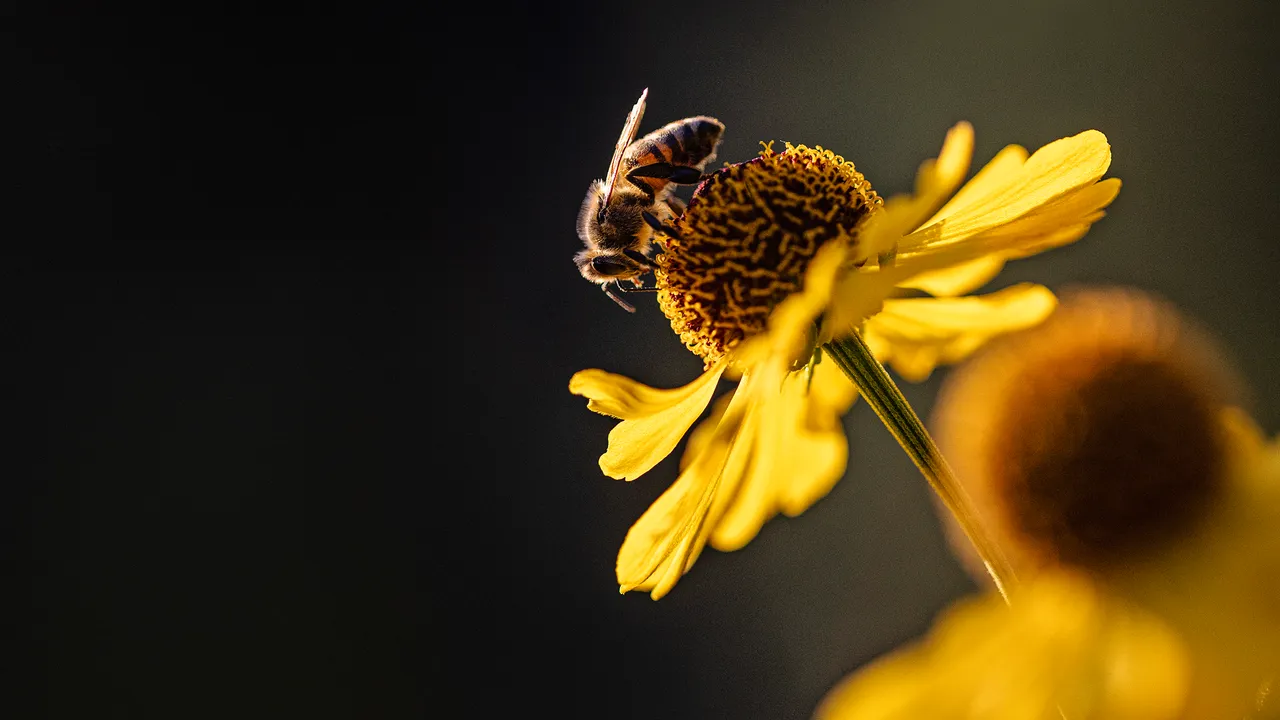
September carries a hint of farewell in the world of beekeeping. After months of peak activity in the hives, the moment arrives to gather the last honeys, inspect the colonies, and prepare the bees to face autumn.
In Spain, it is a time that is especially interesting for approaching the villages where this tradition continues to mark the rhythm of rural life. The bustle of the harvest gives way to a calmer atmosphere, ideal for chatting with beekeepers, discovering how honey is extracted, or strolling through landscapes shaped for centuries by an activity essential to biodiversity. And without bees humanity would become extinct.
From the heaths of the Léonese mountains to the Zamoran dehesas, passing through the Pyrenean forests, the Andalusian cork oaks, or the Valencian sierras, Spain preserves small destinations where bees continue to be protagonists. They are getaways that combine nature, gastronomy, heritage, and the opportunity to get close to one of the oldest and most essential trades of rural life.
Santa Colomba de Somoza (León), brezos y tradición maragata
Santa Colomba de Somoza is a special place for me. I visit this town about five or six times a year, as it forms part of the route on which I work as a guide, which traverses part of the northern Iberian Peninsula.
It is part of the Maragatería comarca, which offers one of the landscapes most closely tied to honey production in the northwestern part of the peninsula. The extensive heathlands on nearby slopes provide an exceptional bloom that yields dark, aromatic honeys with a pronounced character.
In this small town of fewer than 500 inhabitants we organize a lovely educational activity with Óscar and Tania, two enthusiastic beekeepers who delight in teaching the wonderful world of bees to anyone who wishes to listen.
For this, Óscar created a character called The Swarm Professor, representing, in a theatrical and entertaining way—for audiences of any age—the life and importance of the bees’ mission. Both have their hives on the outskirts of the town, marketing their honey under the La Floritura brand. It is a very small production, which you can only find by visiting the town or in some specific shops in nearby places, such as Astorga. It is a beekeeping project that bets on artisanal and sustainable production.