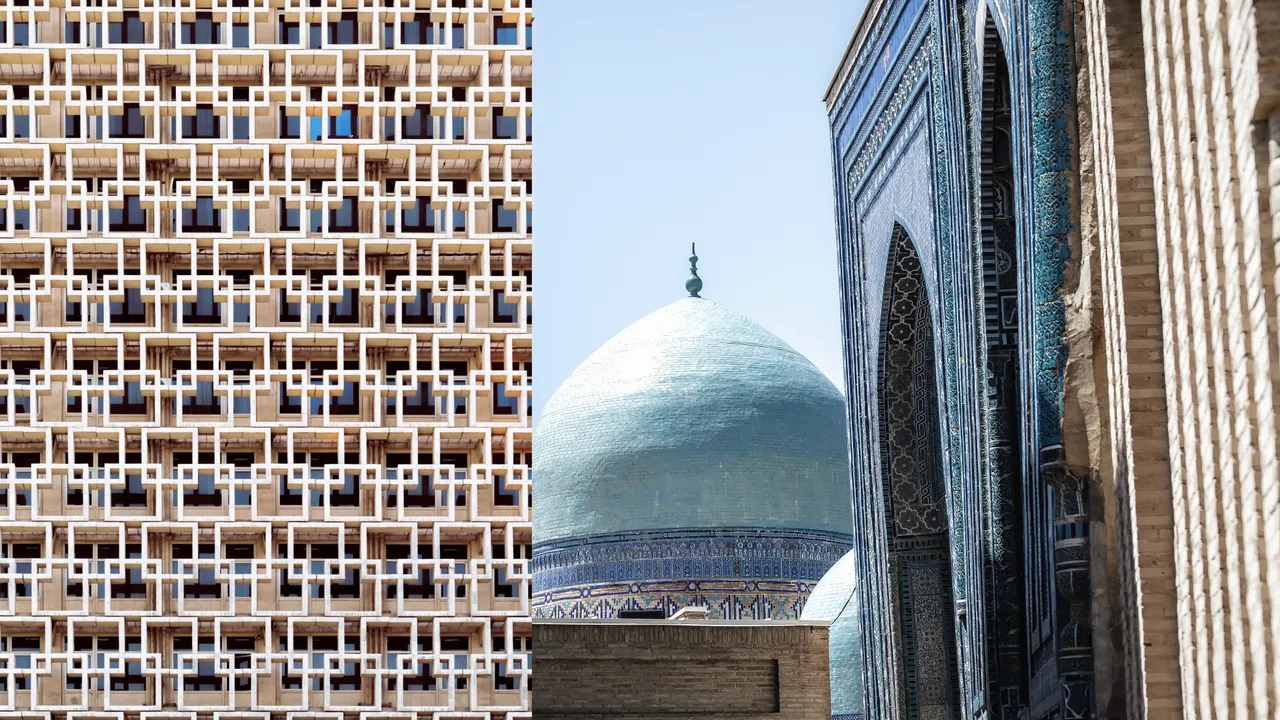
If anything a conspiratorial theory achieves, besides grabbing our attention, is to reveal the latent tensions of an era. In the case of the devastating 1966 Taskent earthquake, one idea persists in the popular imagination: that the quake was engineered by the Soviet authorities to justify a large-scale urban transformation. The suspicion—obviously without scientific basis—was fueled by the Cold War climate (rumors whispered that both the United States and the USSR were conducting underground nuclear tests); also by the haste with which the Kremlin demolished entire neighborhoods, laid out monumental avenues, and applied a modern vision to architecture that erased much of the city’s Islamic past.
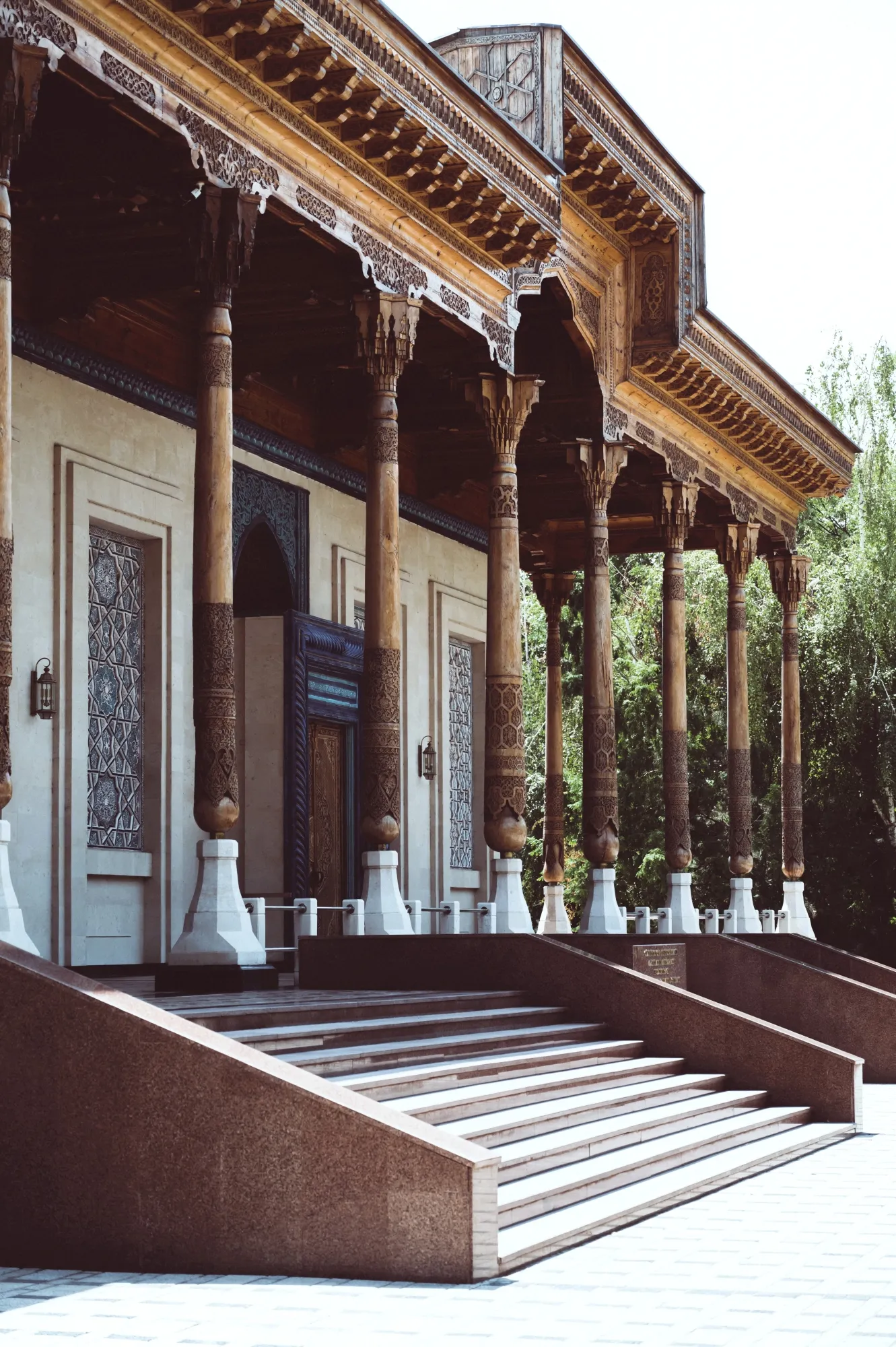
Today, more than half a century later, the modernism of the Uzbek capital has just been recognized as World Heritage by UNESCO. According to the official file submitted in 2024, the protected buildings represent an exceptional example of postwar Soviet architectural heritage for their singular and experimental character. They bear witness to the collaboration between the design institutes of Taskent and Moscow, and reflect the evolution of constructive research between 1960 and 1991, marked both by technical innovations and by integration into the cultural context. Thanks to this, Central Asia regained its former role as a crossroads on the Silk Road, where ethnic groups, ideas, and languages converged.
Latticework, patterns, and miniatures
The first stop of this peculiar architectural itinerary takes us to the Hotel Uzbekistan, opened in 1974 opposite Amir Temur Square, dedicated to the great Timurid conqueror, whose mausoleum is in Samarkand, the capital of his empire and the focus of the region’s intellectual and artistic renaissance during the Middle Ages. Designed by architects Ilya Merport, Vyacheslav Roschupkin and Ludmila Ershova, it stood for years as the nerve center of Intourist, the Soviet official travel agency, which used its more than 900 rooms to meet the new standards of international hospitality.