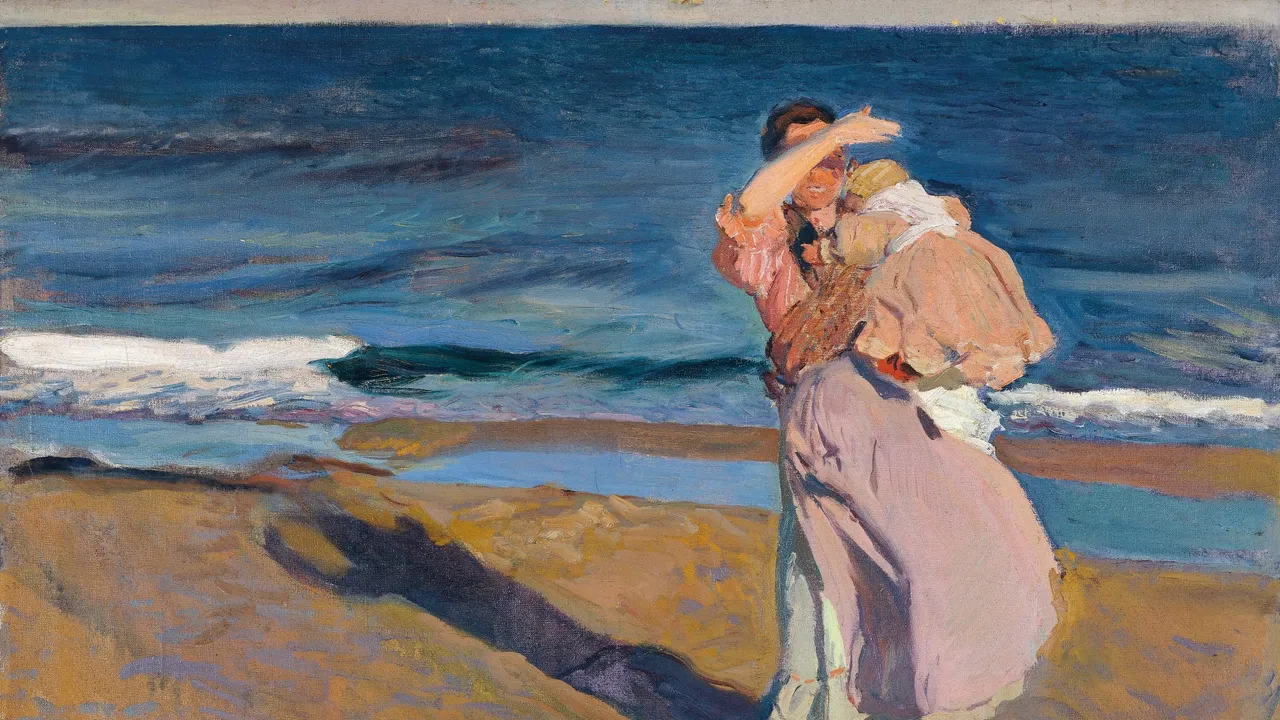
Life, at times, rhymes. Beside the entrance to the new Sorolla Museum, at number 68 on Zurbano Street, there is a flower shop and the first painting you see when you walk into the building is a view of a garden. Madrid, from time to time, treats us with these delicate winks. And there are such winks in one of the most awaited cultural projects of recent years.
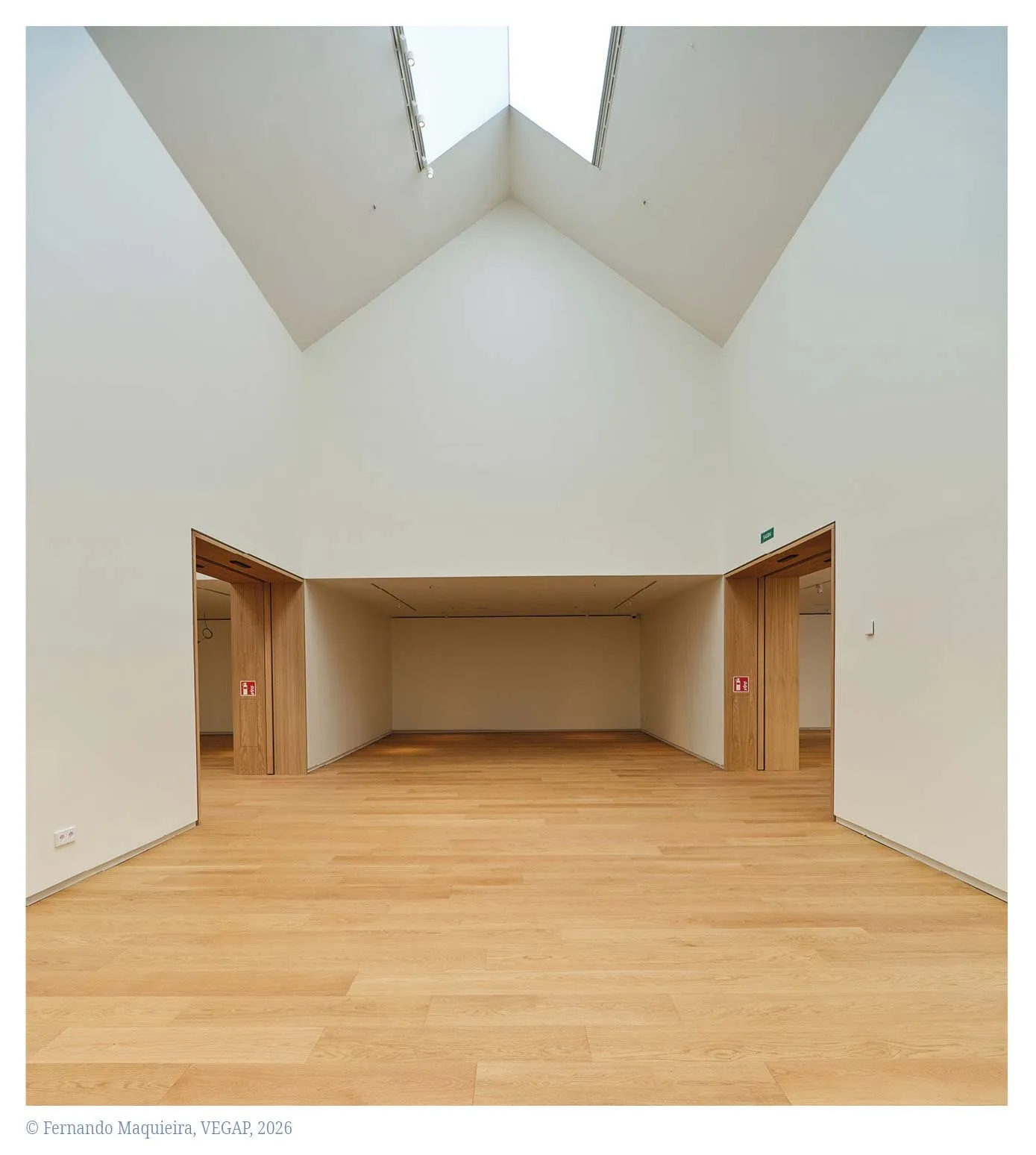
On October 1, 2024 the Sorolla Museum closed its doors. It faced the greatest change in its history and a strategic revolution: its expansion and the rehabilitation of the house. The chosen firm for this dual mission was Nieto Sobejano Arquitectos; it wasn’t their first museum project: the studio had already been responsible for the Valladolid Sculpture Museum, the San Telmo Museum in San Sebastián, and Moritzburg in Germany.
Until then, the reforms had been partial; this change would be comprehensive. The house was… a house, bourgeois, but a house. It was not born to be a museum and the Sorollas could never have imagined that the last full year it stayed open would welcome more than 350,000 visitors. This popularity brought new needs. It was necessary to have more meters for temporary exhibitions, and, above all, a more accessible space, an auditorium, a new restoration workshop, and a storage area for the 9,000 cultural assets that make up the museum’s collection (painting, drawing, sculpture, furniture, photography, ceramics, archaeology, decorative arts, etc.).
In addition, the painter’s residence had to be restored, that place we visited from time to time and did not like sharing with anyone. And, at the same time, yes, we liked sharing it with the whole world. Let’s not speak in the past tense, because this story speaks of the future.