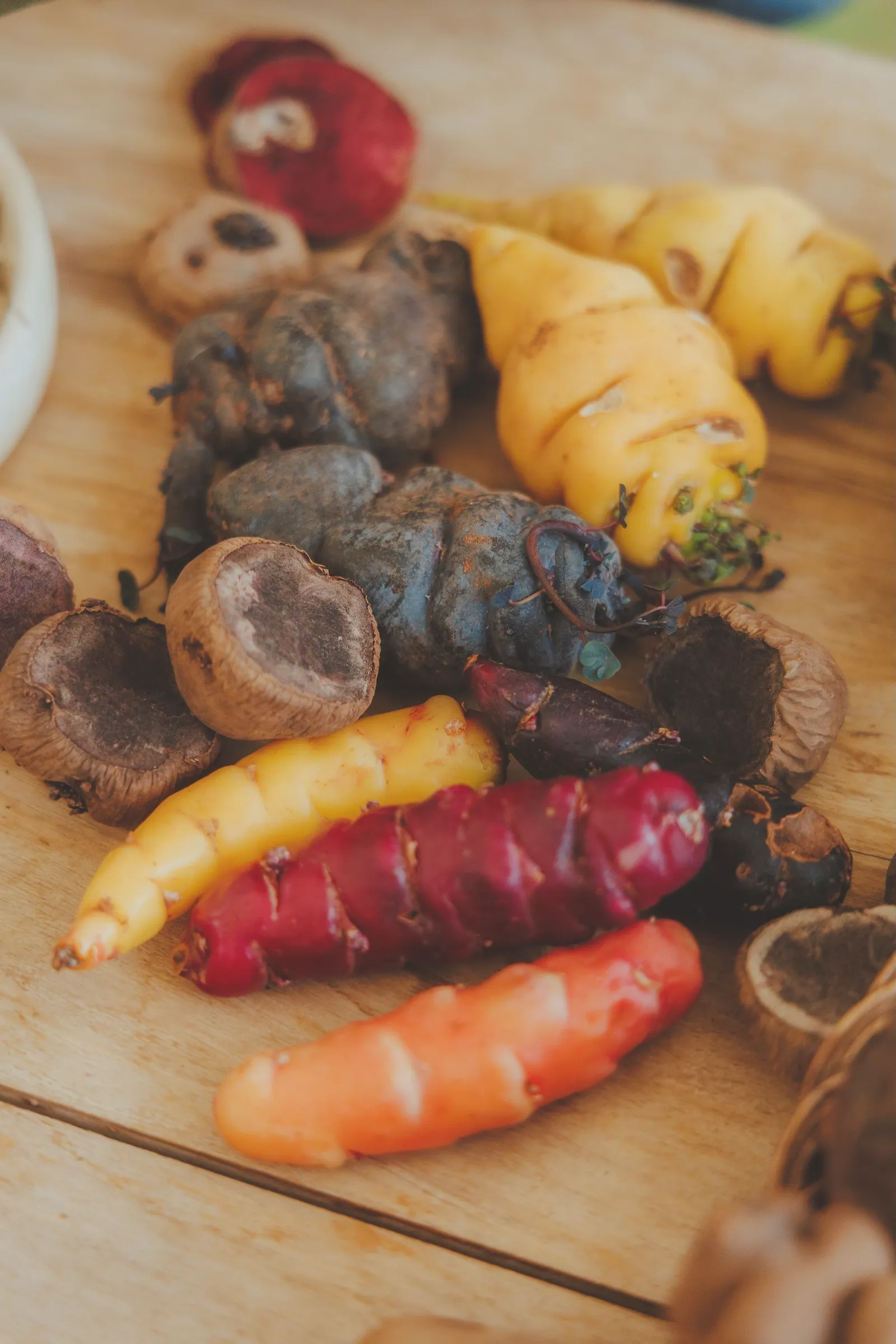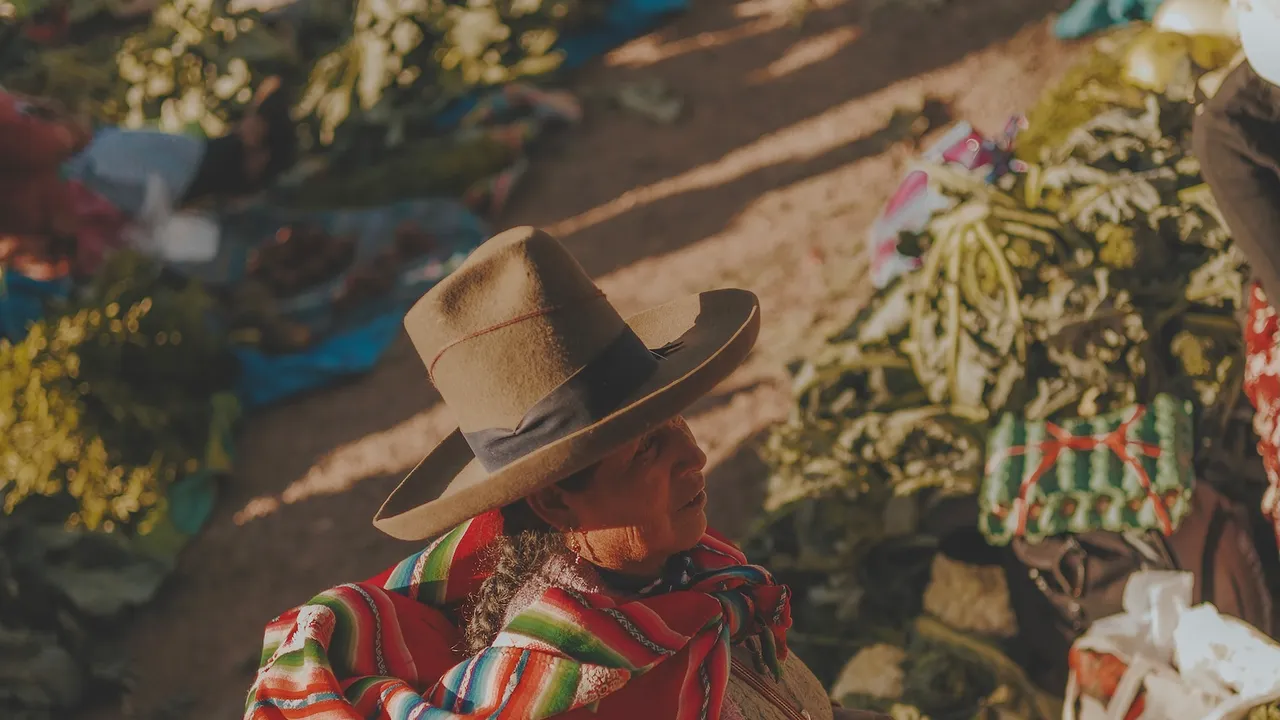
Machu Picchu lingers forever in the retina; the Sacred Valley, in the gut. Cuy, tumbo, cushuro, mashua, makua… The list of the Andean pantry here is especially peculiar, besides being endless. We must add to it the more than 6,000 types of potatoes that grow in the former heart of the Inca Empire.
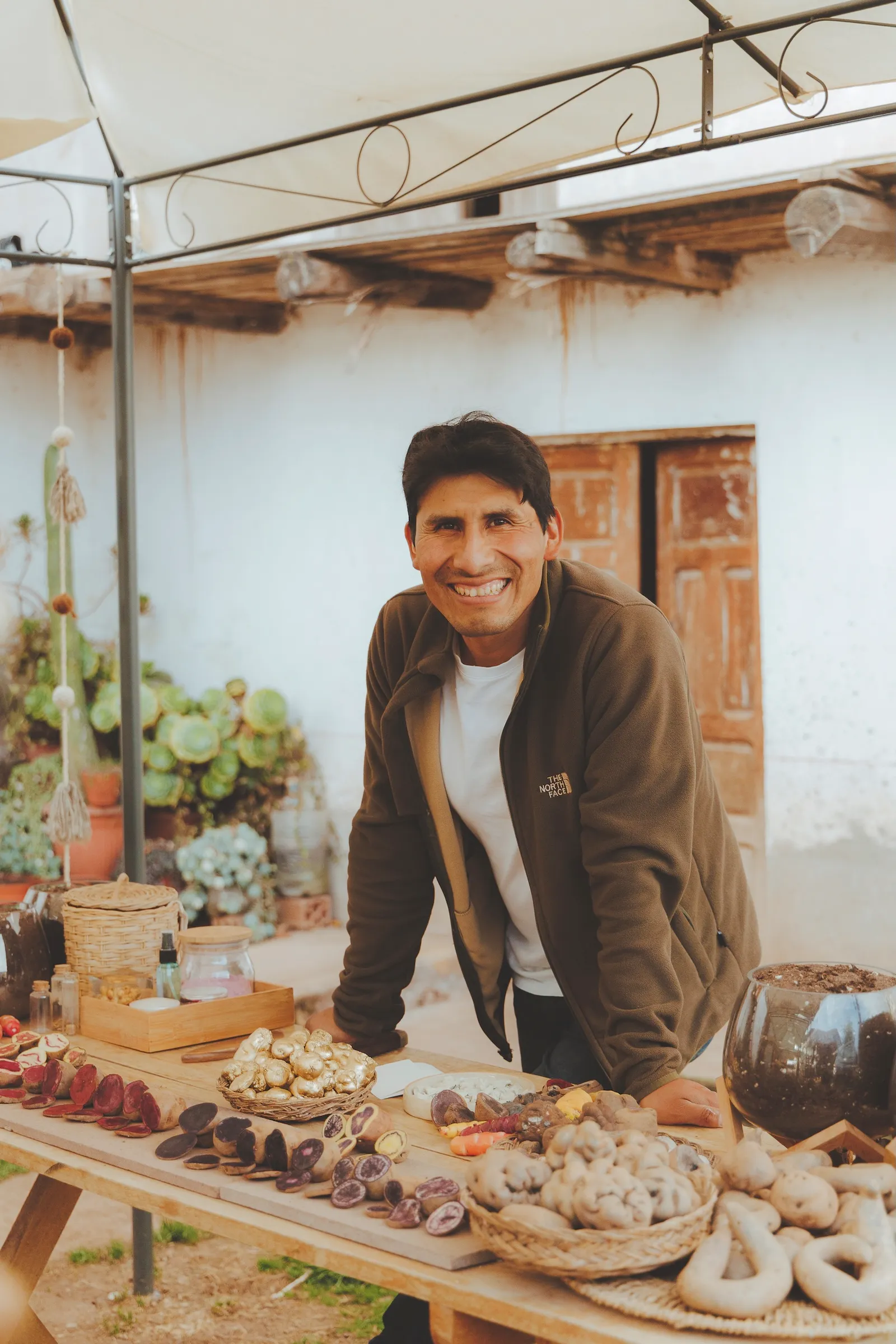
It was they, with their advanced agricultural knowledge, who ‘domesticated’ this tuber at its beginnings, a crop initially possible only in the highest latitudes of the Andes. Structures – still standing – such as the spectacular Moray agricultural laboratory made possible a selection and natural adaptation that would forever change agriculture. Not far from this terraced settlement, something similar is happening in the 21st century by Manuel Choqque.
One might say that this young agronomist performs alchemy, even magic, at his family home, in a small town near Chinchero. But Huatata is pure science. Fifth generation of farmers, Manuel has spent almost two decades with his ecotypes of potato, i.e., nutritionally improving a staple food in the country.
And there are specimens with pigmentation, that is, with a higher load of antioxidants or beta-carotene. What were once small specks, through the progressive crossing of seeds and several years, gradually become varieties whose interior is completely red or purple. Or, in other words, having “up to five times more vitamins than citrus fruits or ten times more antioxidants than blueberries,” he explains. The flavor, if anyone doubted, is delicious.