I had lived in Chile long before I set foot there. My memory was made of scraps borrowed from conversations among friends and readings: the sacred importance of corn, the chic informality of flip-flops, or that strange freedom to bring to a wedding, just as easily, a best friend or a first date.
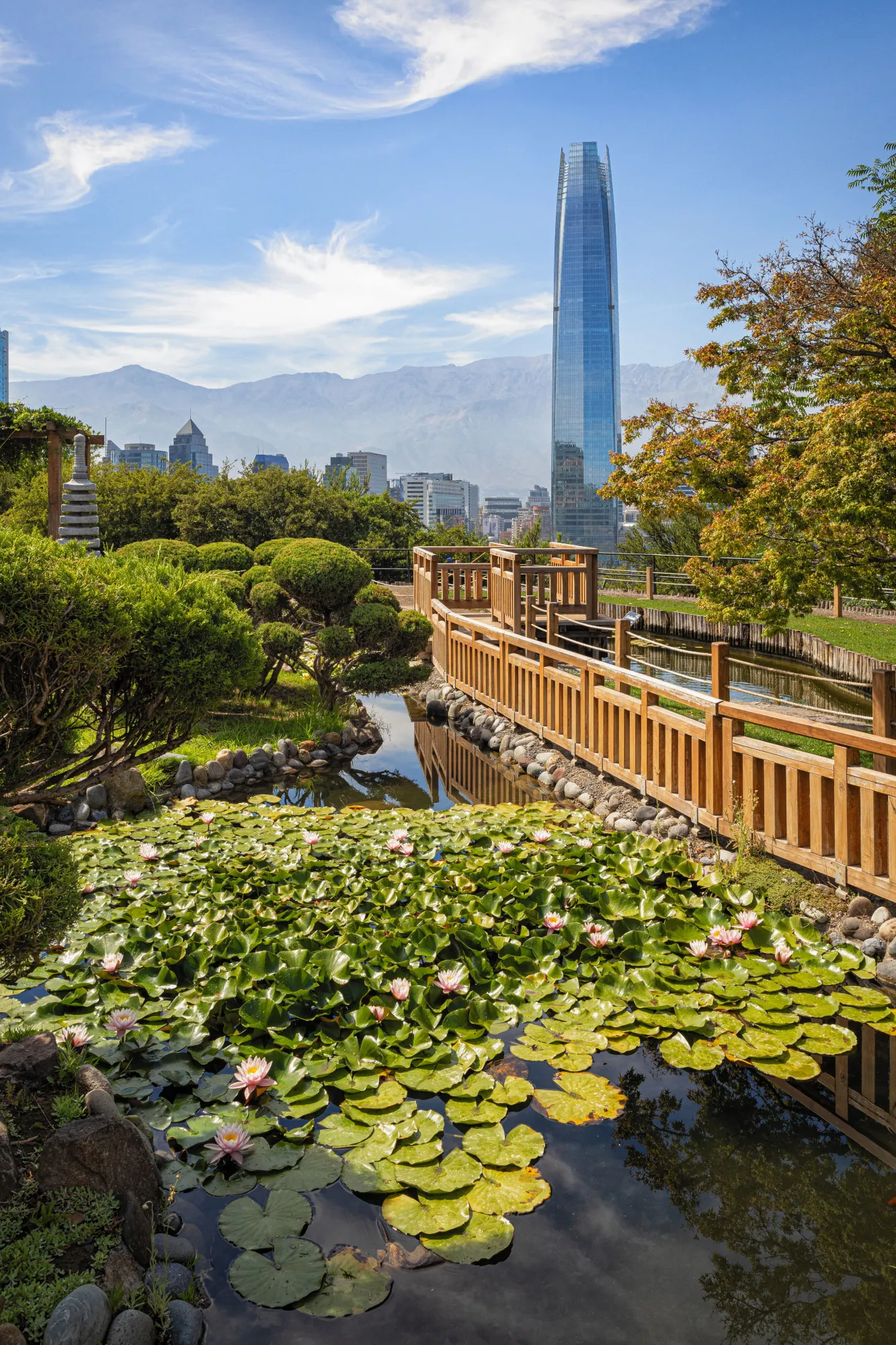
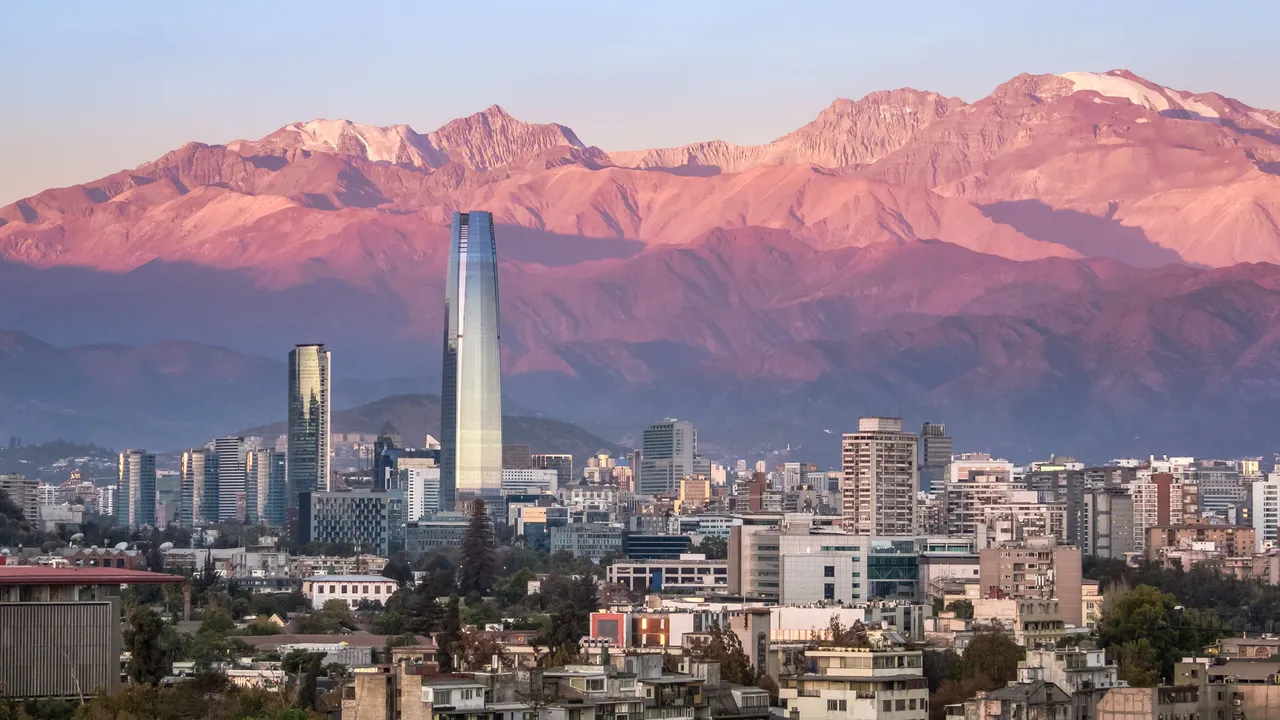
I knew, by pure literary intuition, that pisco always betrays and that the emotions—anxiety, love, reunions—in this corner of the world are seldom thought about; they are rather felt in the gut. It happened the moment I saw the imposing Andes from the sky. A landscape that shelters Santiago de Chile, a city full of contrasts.
I have heard many Chileans disparage their homeland, a phenomenon that Los Prisioneros diagnosed in their anthem Por qué no se van: “If you dream of New York and Europe, you complain about our people and about their clothes, you keep loving the art-house cinema of Normandie… If you travel every year to Italy, if culture is so rich in Germany. Why not stay there next year?” Isabel Allende also said: “Chilean people complain a lot, we always think others are better off, but that is not so when viewed from outside.”
I love Santiago de Chile. Almost as high as the mountains that embrace it. Wherever you look, there they are, watching over you. “You come and then I realize how fortunate we are,” my friend Teresa, a native Chilean, tells me about that privilege of waking up every morning, looking out the window and seeing them face to face. And she is right: waking up and having those giants watching over you simply makes you never feel alone.