In recent decades, Amsterdam has transformed into a vibrant feast that rivals Europe’s great culinary capitals. That is why seeking answers to the question where to eat in Amsterdam invites you to wander along a path of sensations and eclectic flavors, where tradition and avant-garde walk hand in hand with every bite.
There is life beyond the classic spots: pannenkoeken, stroopwaffels, appeltaart, sugar-dusted fried doughnuts, raw herring with onions, fried meatballs, battered fish, and marzipan. Each restaurant becomes an invitation to a perfect brunch, creativity and fusion, a Michelin-starred fine-dining experience; the diversity is endless in the Venice of the North, revealing itself as a global mosaic of flavors. These are some of the places to sample the best and most intriguing bites Amsterdam has to offer.
Restaurant Flore
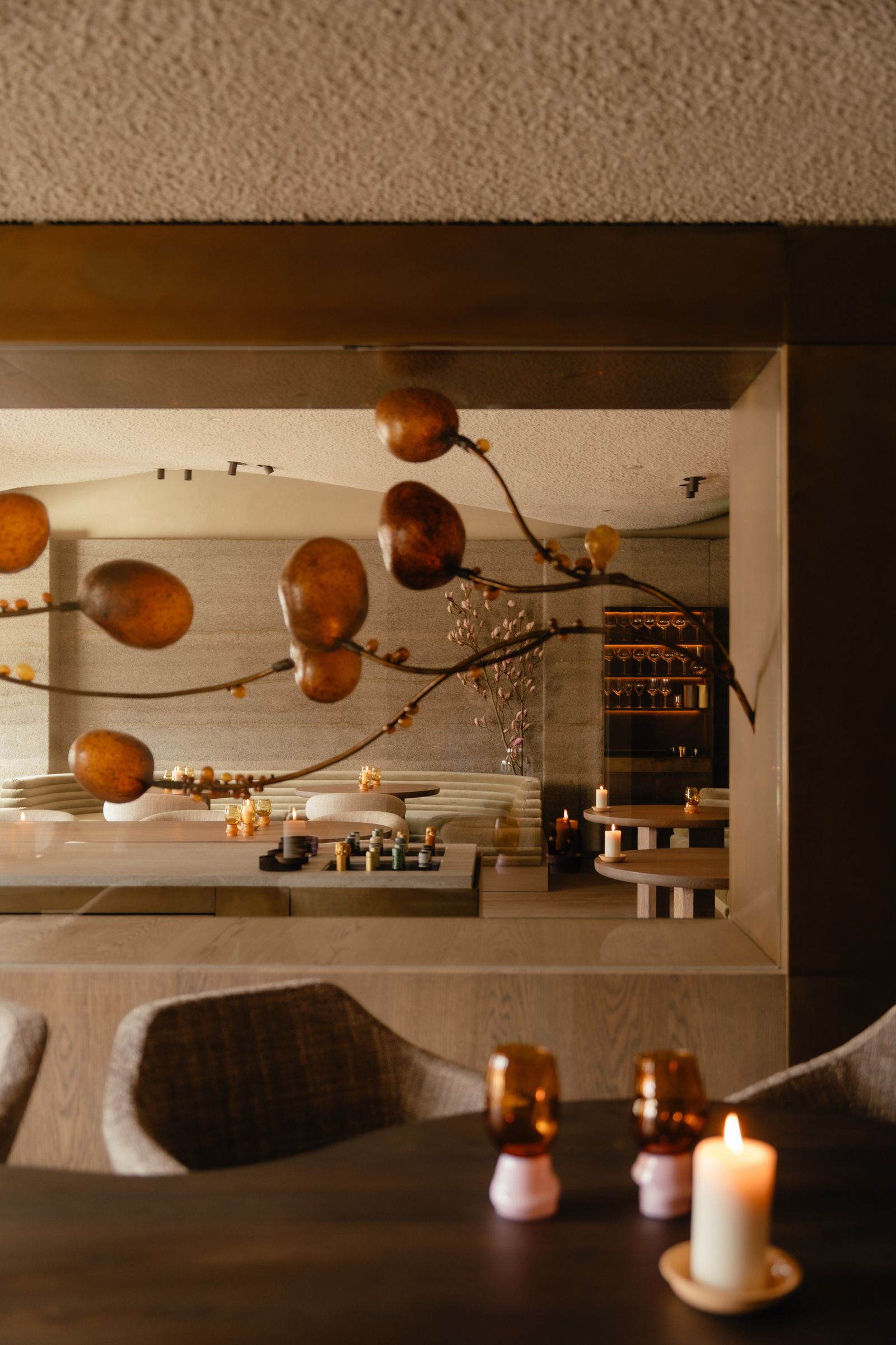
Inside the De L’Europe Amsterdam hotel, under the leadership of chef Bas van Kranen, Flore stands as a temple of culinary experiences that draw exclusively on products sourced from the Netherlands. Since opening in 2021, this restaurant has been awarded two Michelin stars, a Michelin Green Star for sustainability, Vegetarian Restaurant of the Year 2024 by Gault & Millau, and the recognition of sommelier Antonello Nicastri as Sommelier of the Year 2026 by Gault & Millau.
Following a 2025 transformation that introduced hemp walls, a suspended ceiling inspired by the flow of the Amstel River, and recycled Dutch materials, Flore invites guests to enjoy a dairy-free tasting menu that traverses the full range of Dutch products and evolves weekly in response to seasonal changes. In addition to working closely with biodynamic farmers, its operation rests on a research-and-development kitchen and a fermentation program that they use to broaden the availability of seasonal produce, reduce waste, and achieve greater flavor complexity from simpler local ingredients.
From Flore, they recommend pairing the menu with a wine pairing selected by Antonello Nicastri from a cellar of 1600 labels, with special emphasis on biodynamic and natural producers; and a non-alcoholic pairing, another option that arises from house-made fermentations, seasonal infusions and collaboration with the research-and-development team.
Restaurant Vermeer