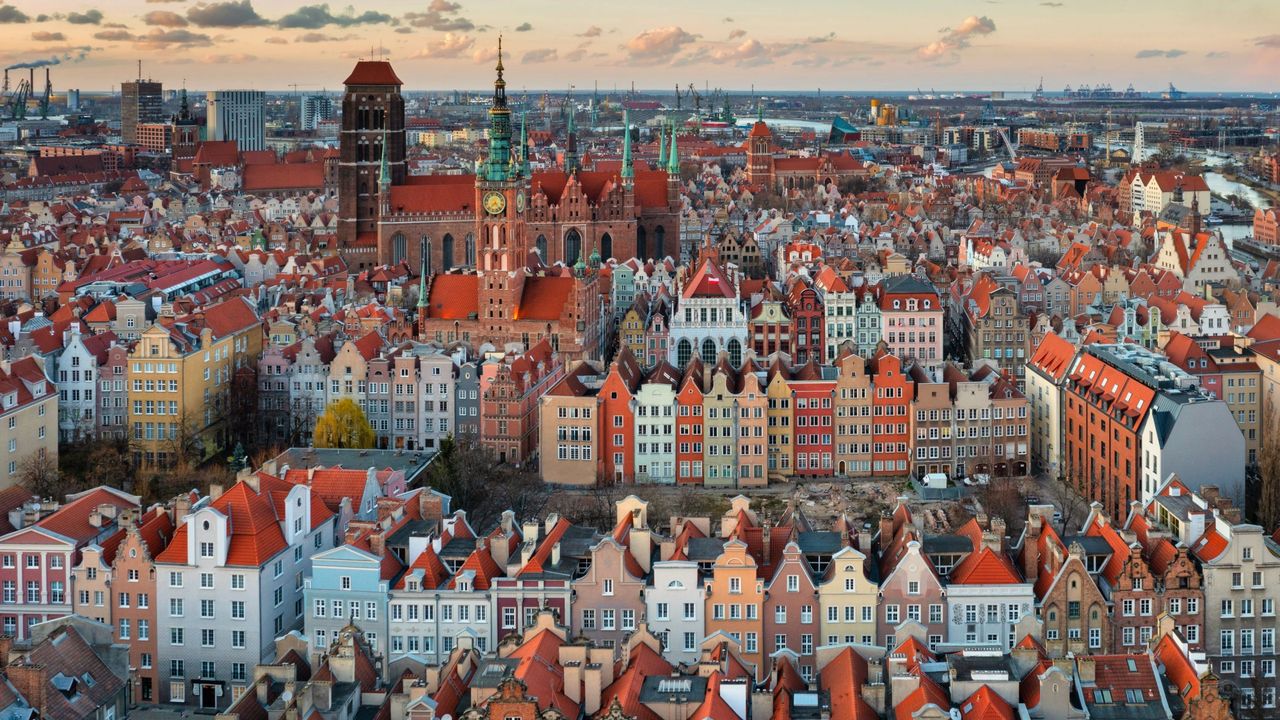
My visit to Gdansk revealed a city with several distinct faces. Its Christmas market radiated warmth and joy. In shops, restaurants and bars, life flowed as in any European city populated by nearly half a million souls: bustle, intertwined conversations and a certain anonymity. The streets of its historic center conveyed a regal atmosphere reflected in the ornate and colorful façades of buildings that had to be rebuilt after the heavy bombardments endured during the most terrible conflict in our history: World War II.
And while part of Gdansk, in a sense, strives to shed the stigma of being the place where that harsh conflict began, there is another part that safeguards its legacy so that no one forgets what must never happen again.
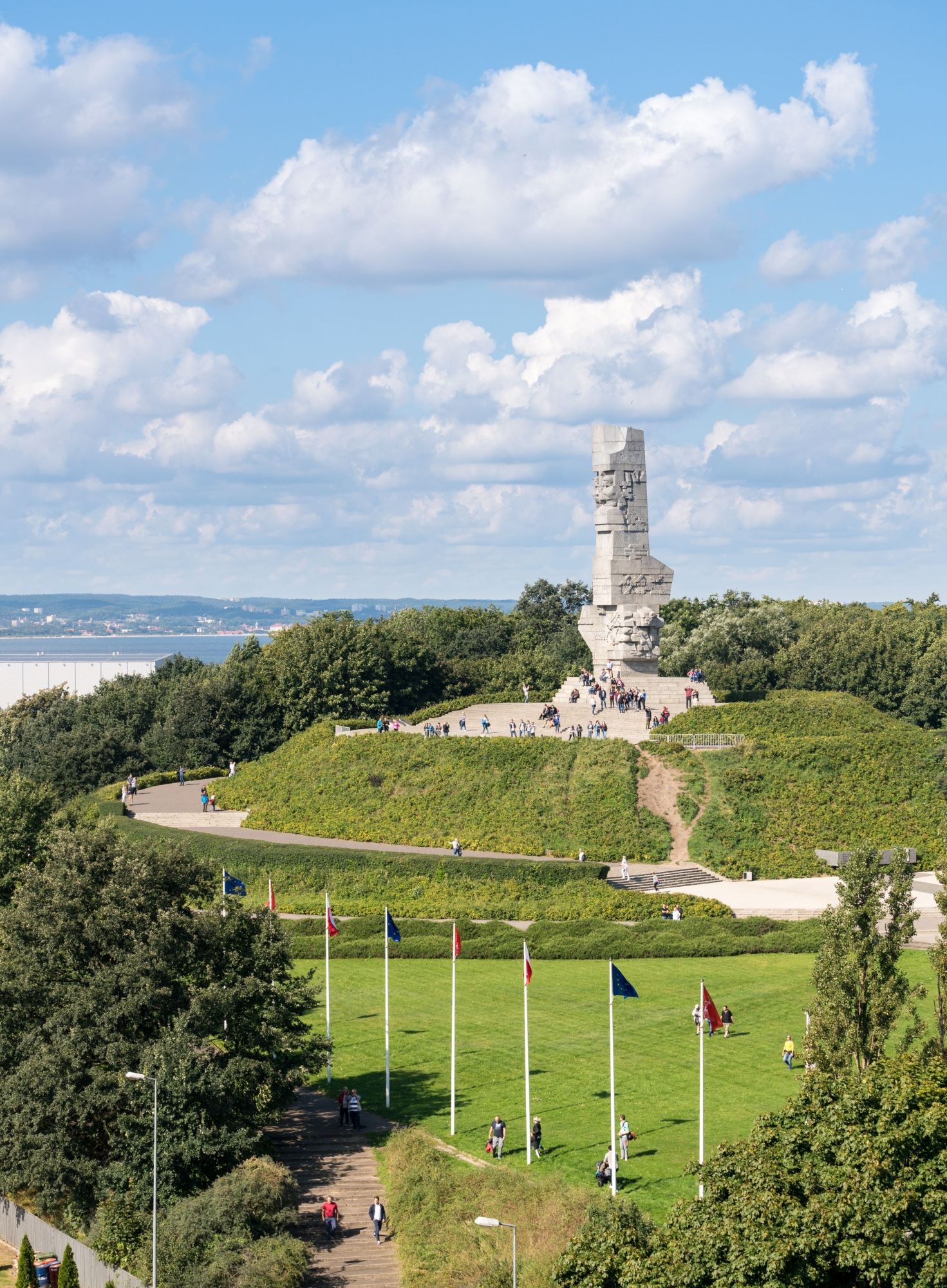
As a great history enthusiast, I decided to visit the Westerplatte peninsula, treacherously bombarded by the guns of the German battleship Schleswig-Holstein on that fateful September 1, 1939. Moreover, I wandered for almost five hours through the spectacular Museum of the Second World War in Gdańsk. I have never seen a collection so complete as this one.
Places that sent shivers down my spine and managed to grant me a painful, yet intense, immersion in one of the saddest episodes of humanity.
Westerplatte, at the origin of the disaster
The Westerplatte peninsula opens up as a green, tranquil, almost friendly space. It consists of dirt paths, tall trees and clearings from which the sea can be glimpsed. If one didn’t know what happened there, one might think it’s just another park, a place for a leisurely stroll. But a few meters further, you begin to see the remnants of the old Polish military outpost and understand that this landscape hides deep scars.